Fern
Creek Fire & EMT Recruit Class 25-01
|
Instructors
|
Office location & hours
|
|
FCFD Staff
Fire Commission Staff
Various Instructors
|
Station 71, Fire
Training Facility
Offsite training TBA
0700-1500 Monday thru Friday
|
General information
Description
This course is designed to prepare
Fire/EMT students with basic Firefighter I & II skills to perform at a
competent level under the general direction of instructors and fire company
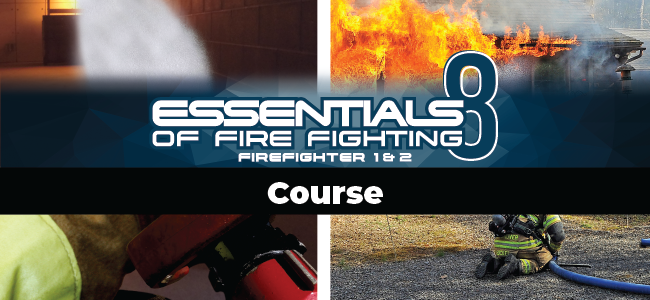
commanders. This course will also have certifications for IFSAC Firefighter I
& II, and Hazardous Materials Technicians. The curriculum will follow the
“AAOS Emergency Care & Transportation if the Sick & Injured, 12th
edition, “Essentials of Firefighting 8”, “Kentucky Fire Commission IFSAC Skills
Firefighter I & II and Hazardous Materials Awareness and Operations”
Expectations
and goals
Understand the roles and
responsibilities of an Emergency Medical Technician and a Firefighter.
Become proficient as an Emergency
Medical Technician and a Firefighter.
Obtain National Registry and State
Emergency Medical Certifications.
Obtain certifications in IFSAC
Firefighter I & II and Hazardous Materials Awareness and Operations.
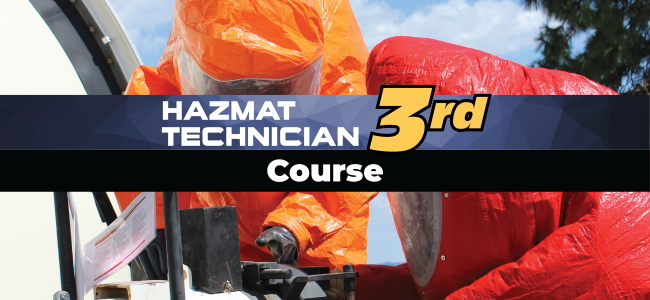
Obtain certifications as Hazardous
Materials Technician.
Special Operations Awareness.
Course materials
Required
materials
Fern Creek Fire and EMS will
provide and use the following curriculum “AAOS Emergency Care &
Transportation if the Sick & Injured, 12th edition, “Essentials
of Firefighting 8”, “Kentucky Fire Commission IFSAC Skills Firefighter I &
II and Hazardous Materials Awareness and Operations”
Optional
materials
May be provided by specialty
instructors.
Assessment
Emergency Medical Technician
written exams and practical skills.
Firefighter chapter testing, knowledge,
skills, and abilities, IFSAC skills
Practical skills assessments.
IFSAC testing conducted by the
Kentucky Fire Commission Staff.
Introduction to the Fire Service &
Firefighter Safety: After completing this lesson, the student shall
be able to identify the mission of the fire service, describe how fire
departments are organized, and understand various regulations that apply to
firefighters; describe fire department SOPs, rules, and regulations that affect
a Fire fighter ; explain ways that fire departments may interact with other
organizations and agencies; explain the roles and duties of a Firefighters;
describe fire and life safety initiatives aimed at reducing firefighter
illnesses, injuries, and fatalities; describe the aspects of NFPA 1500 related
to firefighter safety and health; summarize general guidelines for operating
safely at structural fire scenes; summarize safe practices for riding in fire
service vehicles and apparatus.
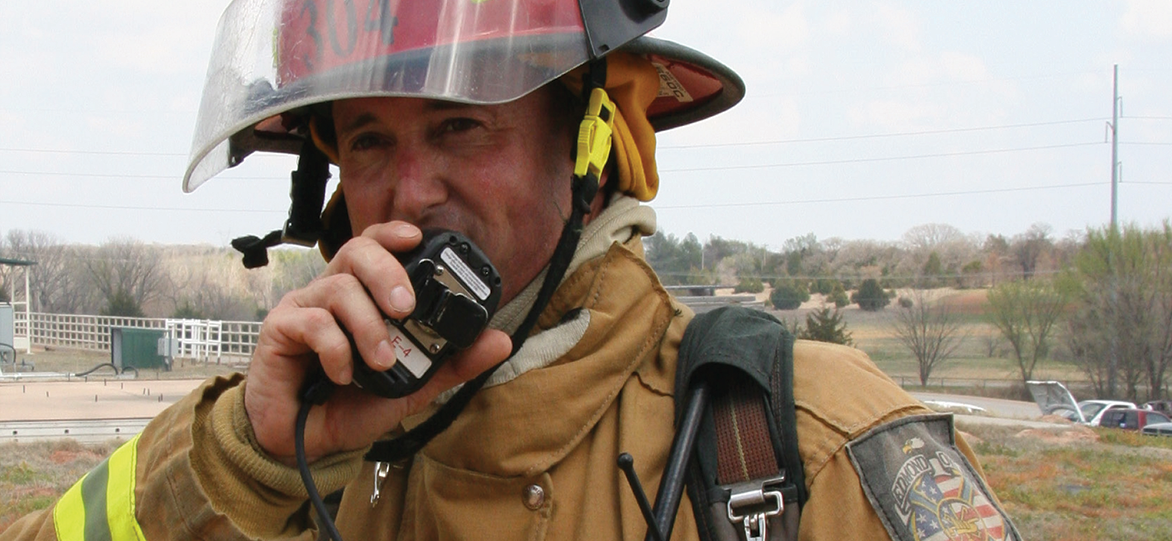
Communications: After completing this lesson, the
student shall be able to describe the different types of communication that
occur in the fire department; explain the procedures for receiving
non-emergency calls; describe the types of communications systems and equipment
used to receive and process emergency calls; explain the procedures for
receiving and dispatching emergency calls; describe radio equipment and
procedures used for internal fire department communications; handle emergency
and non-emergency phone calls; use a portable radio for routine and emergency
traffic.
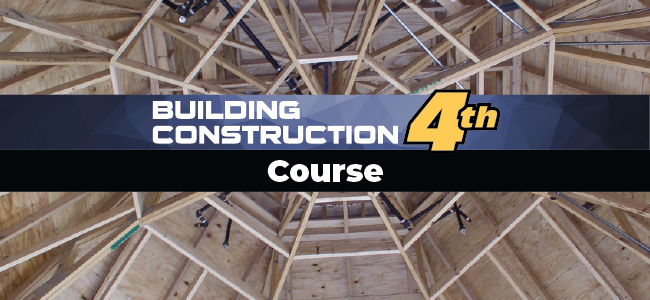
Building Construction: After completing this lesson, the
student shall be able to understand how building construction features and
materials will contribute to fire spread as well as how heat affects structural
components and materials; differentiate among types of building construction;
describe the construction of floors, ceilings, and walls; explain how basements
and stairs may impact firefighting operations; describe the construction and
operation methods of different types of doors; describe the construction and
operation methods of different types of windows.
Building Materials, Structural Collapse
& Effects of Fire Suppression: After completing this lesson, the
student shall be able to identify the effects of fire on building materials,
describe structural collapse considerations, and explain the effects of fire
suppression activities on building materials; explain considerations to be
taken when establishing collapse zones; describe actions that should be taken
when structural collapse is imminent; describe building conditions and fire
suppression activities that can impact fire spread and structural stability.
Fire Dynamics: After completing this lesson,
the student shall be able to explain the basic principles of fire science,
describe the stages of fire development, and the reaction of building
construction to fire; describe how thermal energy impacts fire behavior;
explain the function of fuel within the combustion process; explain the
function of oxygen within the combustion process; explain the self-sustained
chemical reaction involved in flaming combustion.
Firefighter Personal Protective
Equipment:
After completing this lesson, the student shall be able to distinguish between
types of personal protective clothing and equipment and explain how to safely
use various types of protective clothing and equipment; describe the
inspection, cleaning, and maintenance of PPE; describe conditions that require
the use of respiratory protection equipment; identify SCBA components; describe
the procedures for donning and doffing SCBA; describe methods of refilling,
replacing, and storing SCBA cylinders; describe safety considerations for
working in and exiting a hazardous atmosphere while wearing SCBA. Practical:
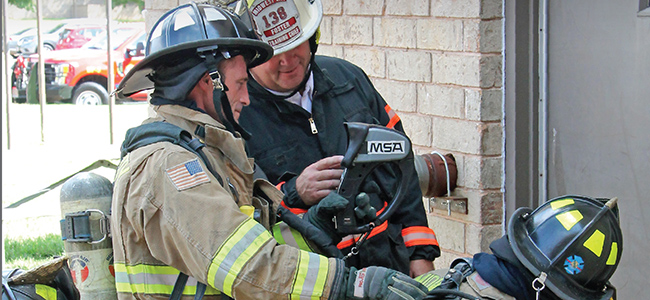
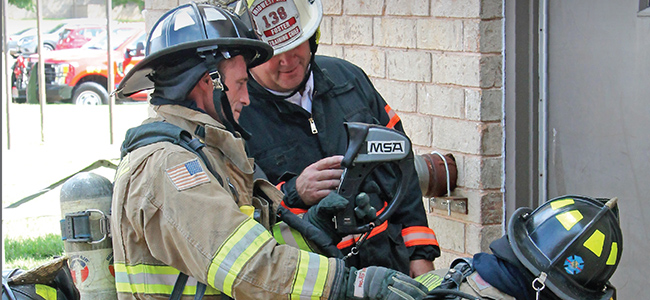
Introduction to gear: coats, pants, helmet, gloves, hood, self-contained
breathing apparatus (SCBA). Work with gear on; crawling, climbing, breathing on
SCBA with mask, in non-air-conditioned areas. Gear weight is approximately 40-50
lbs.
Extinguishers: After completing this lesson, the student
shall be able to recognize different classifications and types of portable fire
extinguishers and select the appropriate fire extinguisher for the situation at
hand.
Ropes & Knots: After completing this lesson, the
student shall be able to describe various uses for life safety and utility rope
and differentiate between types of knots. The student shall also be able to
describe the procedures for cleaning, inspecting, and maintaining rope;
identify types of knots; describe the procedure for hoisting various tools and
equipment; explain how ropes and knots are used during rescues and in other
emergencies.
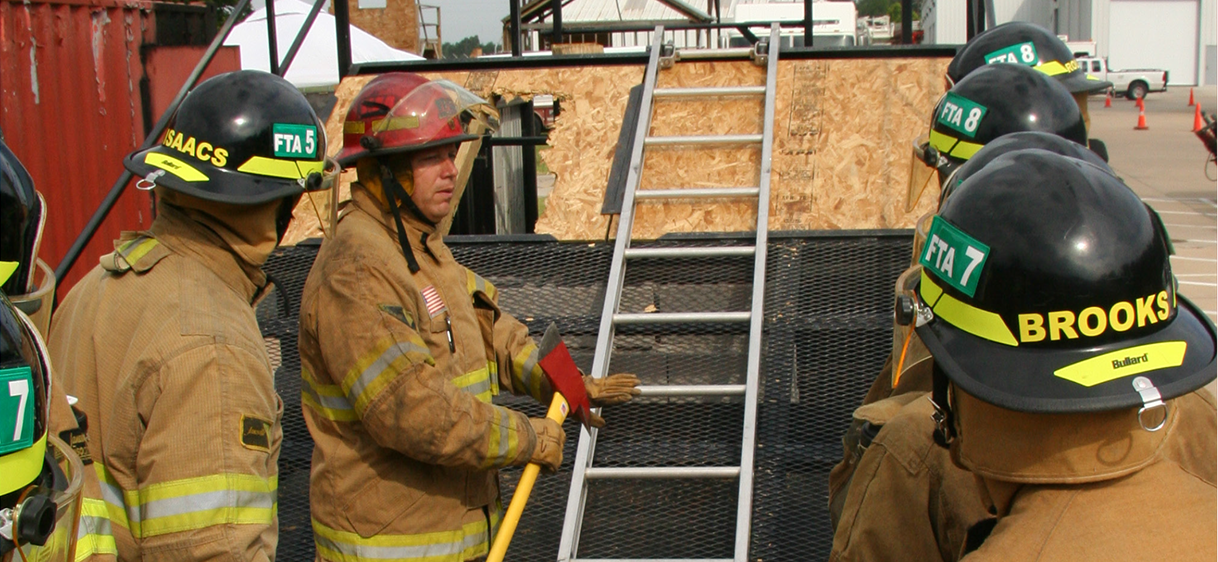
Ground Ladders: After completing this lesson, the
student shall be able to identify types of ladders and the parts of a ladder.
They shall also describe safe practices for using, carrying, and placing a
ground ladder. Students shall be able to describe methods for raising and
lowering a ladder, working from a ladder, and assisting victims down a ladder;
describe the process of cleaning, inspecting, and maintaining a ladder.
Practical: Lifting, carrying, raising, and climbing ladders as a team. Outdoor
activity. Ladders of different weights and sizes. 100’ climb of aerial
apparatus.
Forcible Entry: After completing this lesson, the
student shall be able to recognize different types of forcible entry tools and
describe methods for forcing entry through doors, windows, and walls; explain
considerations for forcible entry tool safety; explain how to carry forcible
entry tools; describe how to clean and maintain forcible entry tools.
Practical: Tools used for forcing a door. Prying and swinging forcible entry
type tools.
Ventilation: After completing this lesson, the
student shall be able to describe the purpose of ventilation and explain the
process for ventilating flat or pitched roofs; describe safety considerations
related to tactical ventilation; describe ventilation tools and equipment;
describe considerations related to the ventilation of basements and other
special compartments. Practical: Use a chainsaw to cut plywood on a roof
simulator. Carrying or lifting a chainsaw to the roof of a three-story
building. Climbing ladders.
Fire Hose: After completing this lesson, the
student shall be able to describe the characteristics of hoses, and understand
how to inspect, care for, and maintain fire hose. They should also be able to
differentiate between different types of hose rolls and loads. Practical:
Lifting, draining, rolling, and carrying of fire hose.
Hose Operations & Hose Streams: After completing this lesson, the
student shall be able to describe water supply, methods used to deploy hose,
and methods used to advance hose. Students shall also be able to explain how to
operate types of hose lines, nozzles, and master stream devices. Practical:
Flow water with hose lines as a team and individually.
Maintenance & Testing
Responsibilities (with Forcible Entry & Fire Hose): After completing this lesson, the
student shall be able to describe procedures for maintaining equipment and
service testing fire hose. Practical: Lifting, moving, and carrying light
generator and light stand. Rolling and carrying hose.
Structural Search & Rescue: After completing this lesson, the
student shall be able to explain practices for firefighter survival during
interior operations and describe search and rescue operations. Students shall
also be able to describe MAYDAY protocols, evacuation, and rapid intervention
operations; describe air-monitoring operations; describe rapid intervention
crew equipment and duties. Practical: Crawling with 45 lbs. of gear on. Outdoor
and inside (air-conditioned area) activity. Dragging of up to 200 lbs. with
teammate and as an individual. Carrying and lifting manikins in gear. Gear on
for all activities.
Fire Suppression: After completing this lesson, the
student shall be able to explain fire suppression methods for structure fires,
vehicle fires, exterior fires, and ground cover fires; Explain the science
behind fire suppression; Explain the role of firefighters in supporting fire
protection systems during fire suppression; Explain the duties of firefighters
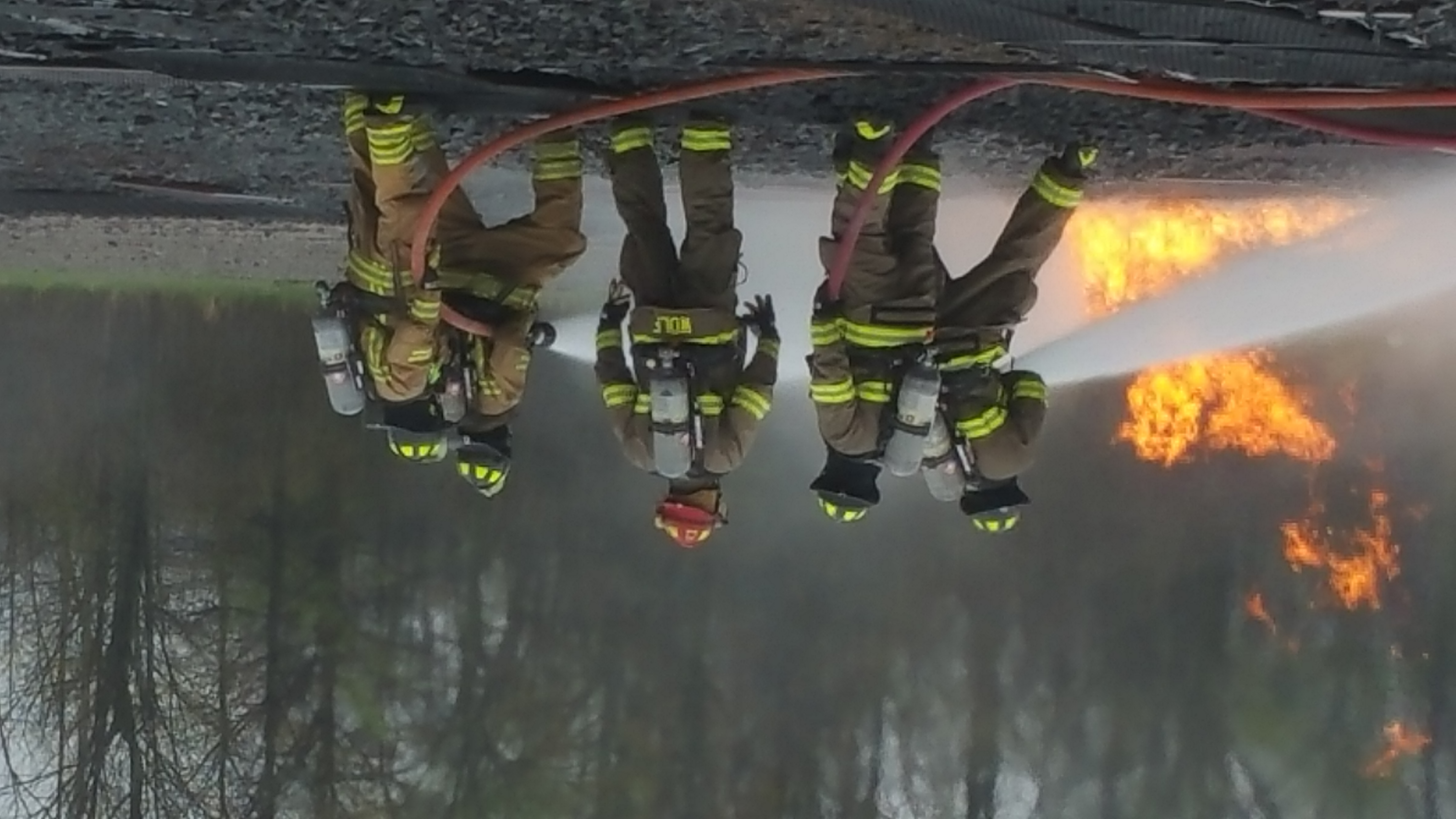
related to building utilities. Practical: Full gear with SCBA. Advance hose
lines flowing water. Extinguish vehicle fires.
Overhaul, Property Conservation &
Scene Preservation: After completing this lesson, the student shall
be able to describe firefighters’ roles during overhaul, salvage, and scene
preservation; Describe the duties that firefighters must perform to protect and
preserve a fire scene. Practical: Lifting and folding tarps, removal of drywall
with tool overhead in gear.
Technical Rescue Support & Vehicle
Extrication Operations: After completing this lesson, the student shall
be able to describe different types of rescue situations, the hazards involved
in those situations, and the firefighter’s responsibility in vehicle
extrication and rescue incidents; identify tools used at technical rescues;
identify vehicle construction methods and components; describe vehicle
stabilization operations; describe techniques used to access victims at a
vehicle extrication incident. Practical: Outdoor activity. Full gear. Lifting a
tool up to 60 lbs. Working with tools to open and remove parts of cars.
Foam Fire Fighting, Liquid Fires &
Gas Fires:
After completing this lesson, the student shall be able to describe
firefighting foam production and operations. They will also be able to describe
operations involving liquid and gas fuel fires.
Incident Scene Operations: After completing this lesson, the
student shall be able to describe the process for initiating incident
operations and transferring Command. Students will also be able to explain how
unit operations are coordinated and how post-incident reports are used.
Fire Origin & Cause Determination: After completing this lesson, the
student shall be able to describe the roles and responsibilities of
firefighters and fire investigators regarding fire origin and cause
determination, and evidence preservation.
Fire Prevention/Community Risk
Reduction:
After completing this lesson, the student shall be able to explain the
importance of fire and life safety programs, fire and life safety surveys, fire
and life safety presentations, and pre-incident planning.
Electrical Emergencies: Class on electrical hazards
associated with dealing with high voltage wires and how to deal with
emergencies associated with the first responder.
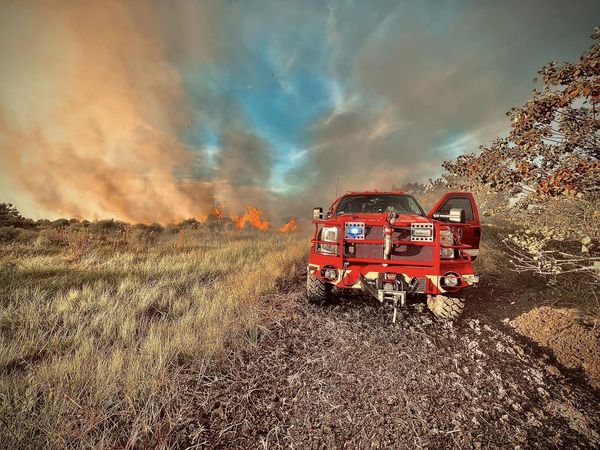
Wildland & Ground Fires: After students complete this chapter
and the related course work, they will know the various methods of combating
wildland fires, as well as the tools and personal protective equipment (PPE)
needed to safely operate at the scene of such incidents. They will learn how to
suppress a ground fire and deploy a fire shelter.
Fire Suppression & Auto Fires (Fire
Control):
After students complete this chapter and the related course work, they will be
able to distinguish between offensive and defensive strategies, and they will
understand the special considerations for fires in large buildings, basements,
concealed spaces, above ground level, lumberyards, energized equipment, and
flammable gases and liquids. Students will also have the skills to operate hose
lines; use fire streams; conduct indirect, direct, and combination fire attacks,
operate master stream devices; and extinguish vehicle fires.
NFPA states that vehicle fires are one
of the most common fires in the United States. With the advent of airbags, side
impact protection, hybrids, and other alternative fueled vehicles, these
“common” fires have become anything but routine. Fire recruits learn both basic
and advanced skills to mitigate these common, yet highly hazardous and
potentially deadly events. Skills such as forcible entry, hose and nozzle
streams, and fire control are reinforced while students learn to safely
extinguish a passenger vehicle fire emergency using live fire training.
E.M.S.: emergency medical care performance
capabilities to include infection control, CPR, bleeding control, and
shock management.
Report Writing: Focuses on proper reports for state
and local levels. Also helps students learn how to be more effective in
relaying information using the pen and their thoughts.
Emergency Control of Natural
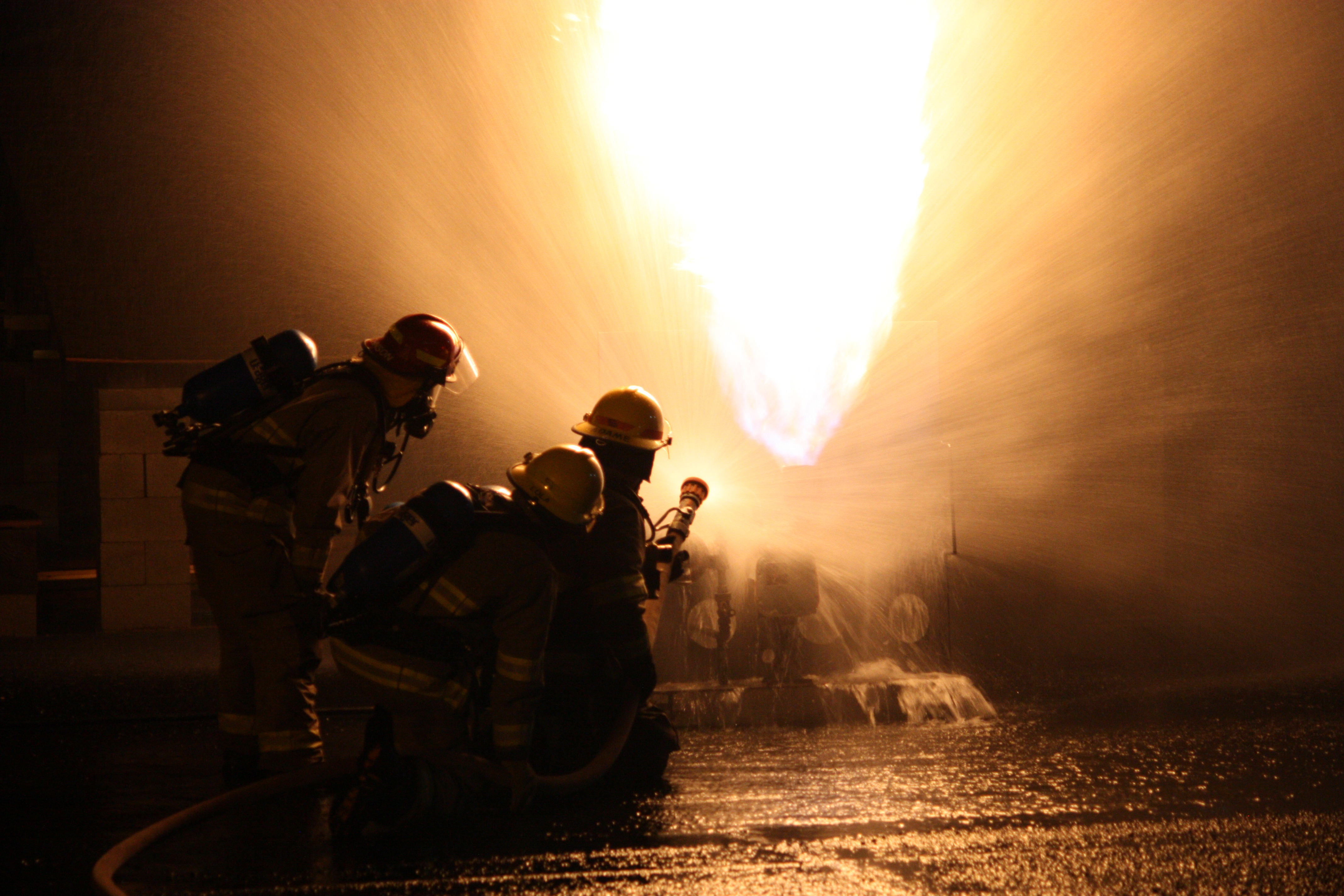
Gas/Natural Gas burn:
Studies the hazards of natural gas, explosive ranges, and properties of same.
Also explores the dos and don’ts of dealing with natural gas. Focuses on
firefighting duties of first-in engine company to a scene. Consists of classrooms
and of natural gas live fire training.
Flammable Liquids & Foam: This class deals with the chemistry
of foam for fire suppression. Topics include concentrated foams, mixing,
eductors, limitations, understanding fog nozzles, aspirating nozzles, and foam
tubes. Includes hands-on live fire training field exercise.
Liquified Propane Gas: Focuses on useful handling of
hazardous materials incidents involving flammable gases. Students will learn
about tank construction, the properties of liquid propane gas, proper tactics
for dealing with liquid propane gas, and will receive live fire training with
liquid propane gas on site. Consists of live fire training.
Hazardous Materials Awareness &
Operations:
Recognition and identification of hazardous materials, labeling, placarding,
scene control, and use of D.O.T. Response book.
High Rise: Covers construction, fireground
management, tactical considerations, elevators, life safety, ventilation, and
water supply.
Structure burns: Live fire training evolutions. Class
incorporates all skills taught for firefighting: suppression, safety, rescue,
ICS, hose handling, PPV, water supply, etc. All hands-on live fire
training. Full gear with SCBA.
Extinguish fires in the burn building. Climbing ladders, moving hose lines,
flowing water, crawling, and building searches.
Fire Detection, Protection &
Suppression Systems: After students complete this chapter and the
related course work, they will be able to describe the components and functions
of a fire alarm and the basic types of fire alarm initiation devices. Students
will also be able to identify various sprinkler heads and indicating valves.
They will also be able to describe and identify automatic sprinkler systems,
standpipe systems, and specialized extinguishing systems.
Fire Ground Survival: The purpose of the Fire Ground
Survival program is to ensure that training for Mayday prevention operations is
consistent between all firefighters, company officers, and chief officers.
Firefighters must be trained to perform potentially life-saving actions if they
become lost, disoriented, injured, low on air, or trapped. These training
exercises must be consistent throughout the fire service. Practical: Crawling,
climbing, and searching through the building.
Incident Command System: This class combines command strategy
with organizational procedures and is designed to be used for structural
firefighting incidents and other related emergency incidents. It is also used
for other types of emergency incidents.
NIMS: National Incident Management System
class: ICS 100, 200 & 700. This is a self-study requirement.
Commonly
used Acronyms in EMS/Fire Operations:
BLS-
Basic Life Support
ALS-
Advanced Life Support
CPR-
Cardiopulmonary Resuscitation
AED-
Automatic External Defibrillator
BVM-
Bag Valve Mask
MCI-
Mass Casualty Incident
IFSTA-
International Fire Service Training Association
IFSAC-
International Fire Service Accreditation Congress
SFRT-
State Fire Rescue Training
ICS-
Incident Command System
PAR-
Personal Accountability Report
PPV-
Positive Pressure Ventilation
LDH-
Large Diameter Hose
TIC-
Thermal Imaging Camera
IDLH-
Immediately Dangerous to Life or Health
PPM-
Parts Per Million
NIMS-
National Incident Management System
PPE-
Personal Protective Equipment
SCBA-
Self-Contained Breathing Apparatus
RIT-
Rapid Intervention Team
MVA-
Motor Vehicle Accident
Course schedule
EMT Classes will be held every Monday, Wednesday, and Fridays from February 3
thru April 7, 2025, 0800-1400
|
Week
|
Topic
|
Reference
|
Study Materials
|
|
Week 1
January 27-31
|
Administration & Organization, CPR, Gear
& Fit testing, Fire Chapter 1 & 2, NIMS 100, Family
evening Tuesday at 1900
|
FCFD Resources, AHA, FEMA, IFSTA FF I
|
New Employee Package
American Heart Association, FEMA, IFSTA Essentials FF I book
|
|
Week 2
February 3-7
|
EMT
|
AAOS Manual, IFSTA FF I
|
EMT Chapters 1-6, Fire
Chapter 3
|
|
Week 3
February 10-14
|
EMT. Intro to Fire Service/Safety, Gear
& SCBA fitting, NIMS 200
|
AAOS Manual, IFSTA FF I, FCFD Resources,
FEMA
|
EMT Chapters 7-9, FEMA
|
|
Week 4
February 17-21
|
EMT, Gear/SCBA donning
|
AAOS, FCFD Resources
|
EMT Chapters 10-11
Fire Chapter 2
|
|
Week 5
February 24-28
|
EMT, Communications, Ride Time, Ladders
|
AAOS Manual, IFSTA FF I
|
EMT Chapters 12-17
Fire Chapter 3
|
|
Week 6
March 3-7
|
EMT, Ride time, Ladders, Small tools
|
AAOS Manual, FCFD Resources
|
EMT Chapters 18-24
Ladder skills
|
|
Week 7
March 10-14
|
EMT, Ride time,
|
AAOS Manual
|
EMT Chapters 24-28
|
|
Week 8
March 17-21
|
EMT, PPE Skills, Building Construction,
NIMS 700
|
AAOS Manual, IFSTA FF I, FEMA
|
EMT Chapters 29-33
Fire Chapter 4, FEMA
|
|
Week 9
March 24-28
|
EMT, Fire Dynamics, PPE/SCBA, NIMS 800
|
AAOS Manual, IFSTA FF I, FEMA
|
EMT Chapters 34-36
Fire Chapter 5, FEMA
|
|
Week 10
March 31- Apr 4
|
EMT Skills, Ladders
|
AAOS Manual
|
EMT Chapters 37-41
Fire Chapter 6
|
|
Week 11
April 7-11
|
EMT Finals, Ladders, Forcible Entry,
Search & Rescue Ventilation, RIT, MAYDAY, Live fire view
|
AAOS Manual, EMT Final Exam & Practical’s,
IFSTA FF I
|
Fire Chapters 9, 10, 11 &
12
RIT PAK, SOP’s
|
|
Week 12
April 14-18
|
Water Supply, Hose, Nozzles, and
Appliances, Hose, Ladder, SCBA, IFSAC Skills
|
IFSTA, FCFD Resources
|
IFSAC Skill sheets
Fire Chapter 13
|
|
Week 13
April 21-25
|
Gear/Uniform Fitting, Fire Suppression,
Reading Smoke, Overhaul/Property Conservation
|
PPE Manufacturer, IFSTA FF I, FCFD
Resources
|
Fire Chapters 14 & 15
|
|
Week 14
April 28- May 2
|
Extinguishers/Burns, Ropes & Knots
|
IFSTA FF I & II, FCFD Resources,
SFRT props
|
Essentials FF II book
FF II Chapters 1
&
FF I Chapter 7
IFSAC Skill Sheets, Burn Props
|
|
Week 15
May 5-9
|
Building Materials, Collapse, Tech
Rescue Support, ICS & NIMS
|
Essentials FF II, FCFD Resources
|
Essentials FF II Fire Chapter 2 & 3, ICS & NIMS,
IFSAC skill sheets
|
|
Week 16
May 12-16
|
KY FF Rescue Couse/Skills Survival Course/Skills,
KY Flashover Course/Skills, KY Wildland FF Course
|
Fire Commission, FCFD Resources, IFSAC
Skill Sheets
|
NFPA 1403, IFSAC skill sheets, Fire
Commission materials
|
|
Week 17
May 19-23
|
Foam, Liquid/Gas Fires, S&R,
Removal, E/T OPS, Live burns
|
FCFD Resources
|
Fire Chapter 4, IFSAC skill sheets,
Training facility
|
|
Week 18
5/26 Holiday May 27-30
|
IFSAC Skills, Engine/Truck OPS, Live
burns
|
FCFD Resources
|
IFSAC skill sheets, Training facility
|
|
Week 19
June 2-6
|
Extinguishers, Fire Origin, Fire Suppression
& Alarm Systems
|
IFSTA FF II, LFD Arson
|
Fire Chapter 5 & 6
IFSAC skill sheets
|
|
Week 20
June 9-13
|
Auto Extrication, Air Bags, Cribbing,
Rescue Jacks, Auto Fires, Live burns
|
FCFD Resources
|
IFSAC Skill sheets
|
|
Week 21
June 16-20
June 19 Holiday
|
MetroSafe Communications, Disaster &
Emergency Management, Hazardous Materials Awareness & Operations, Air
Monitoring, IFSAC skills, Live burns
|
MetroSafe staff, Metro EMA, DOT Guide Book,
|
DOT Guidebook, MultiRAE meters HazMat
unit
|
|
Week 22
June 23-27
|
Hazardous Materials Technician
|
TBA
|
TBA
|
|
Week 23
June 30- July 3
7/4 Holiday
|
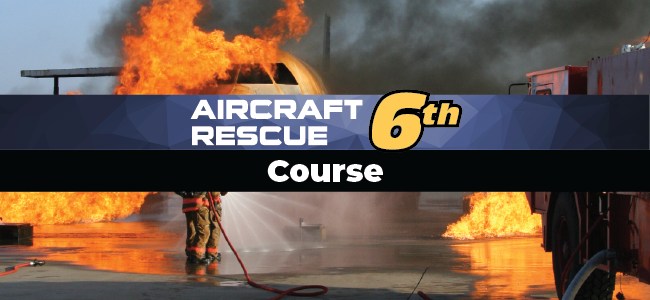
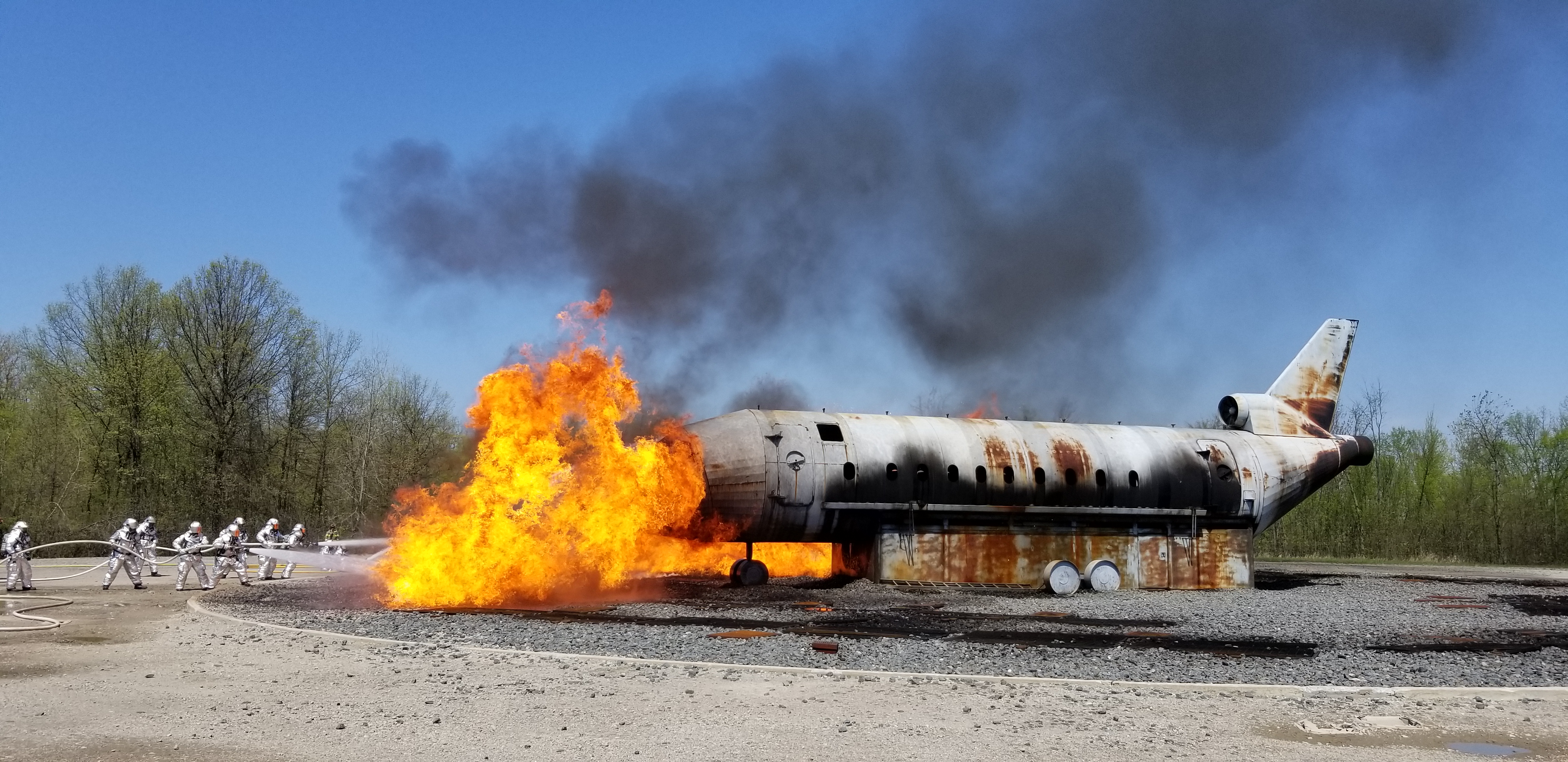
Engine/Truck OPS, Aircraft Crash Firefighting,
KY Wildland Firefighting, Aerial Ops, Community Risk Reduction
|
IFSTA FF II, Fire Commission, SDF
Resources, FCFD Resources
|
Fire Chapter 7, Fire
Commission Materials, SDF Fire & Rescue Materials
|
|
Week 24
July 7-11
|
FLAG live fire, Thermal Imaging, Electric
Cars, Intervention, FF Rescue, Live burns
|
KY FLAG Props & Resources, National
Highway Safety, FCFD Resources
|
Fire Commission, TIC Camera, RIT Kit,
National Highway Safety Council
|
|
Week 25
July 14-18
|
High Rise Firefighting, Construction,
High Rise Tools & Equipment, Engine/Truck
OPS for High Rise, Live fire High Rise
|
FCFD Resources, LFD Tower
|
High Rise Materials
|
|
Week 26
July 21-25
|
LG&E Emergencies, CO Responses,
IFSAC Skills review, Live burns
|
IFSTA, LG&E Materials, FCFD
Resources & SOP’s, IFSAC
|
LG&E Materials, IFSAC skill sheets,
Training facility
|
|
Week 27
July 28-August 1
|
IFSAC Written & Practical Skills
Testing, Ropes & Knots review, Live burns
|
KY Fire Commission Evaluators, FCFD and
SFRT Training props
|
IFSAC skill sheets, Ky Fire Commission
materials
|
|
Week 28
August 4-8
|
Aerial Ops, Engine/Truck Ops, Live burns,
Special Operations Awareness
|
Quint 61/66, FCFD Resources
|
FCFD
|
|
Week 29
August 11-15
|
Firehouse familiarizations, Skills
review, Engine/Truck OPS, Clean-up training grounds, Family Day, Assignments,
GRADUATION !
|
FCFD Resources
|
Course overview
|
Exam
Schedule EMT test highlighted in Blue,
Firefighters Red
|
Week
|
Topic
|
Reference
|
Study Materials
|
|
Week 1
January 27-31
|
Orientation, CPR/AED, Family Day at 1900
|
FCFD, AHA
|
American Heart Association materials
|
|
Week 2
February 3-7
|
EMT
|
AAOS
|
AAOS Manual
|
|
Week 3
February 10-14
|
EMT test #1
|
AAOS
|
AAOS Manual
|
|
Week 4
February 17-21
|
EMT test #2
Fire chapter 1 test
|
AAOS & IFSTA FF I
|
AAOS & IFSTA FF I manual
|
|
Week 5
February 24-28
|
Ride time, EMT test #3,
Fire chapter 2 & 3 test & skills test
|
Med unit, AAOS, IFSTA FF I, PPE
|
Med unit, AAOS & IFSTA manual, PPE
|
|
Week 6
March 3-7
|
Ride time, PPE/SCBA
|
Med unit, PPE
|
Med unit, PPE
|
|
Week 7
March 10-14
|
Ride time, EMT test #4
|
Med unit, AAOS
|
AAOS manual, FDSOA
|
|
Week 8
March 17-21
|
Fire chapter 4 test PPE/SCBA skills
|
IFSTA FF I, PPE/SCBA
|
IFSTA manual, PPE/SCBA
|
|
Week 9
Mar 24-28
|
EMT test #5, Fire
chapter 5 test
|
AAOS & IFSTA FF I
|
AAOS & IFSTA FF I manual
|
|
Week 10
March 31-Apr 4
|
EMT Finals review, ladder/IFSAC skills
|
IFSTA, AAOS, IFSAC FF I, skill sheets
|
AAOS & IFSTA FF I, manual, IFSAC skill sheets
|
|
Week 11
April 7-11
|
EMT test #6 final exam, Fire
chapter 10 test
|
AAOS, IFSTA FFI
|
AAOS & IFSTA FF I manual
|
|
Week 12
April 14-18
|
Fire chapter 12 test, IFSAC skills
|
IFSTA FFI, IFSAC
|
IFSTA FF I, IFSAC skill sheets
|
|
Week 13
April 21-25
|
Fire chapter 14 test
|
IFSTA FFI
|
IFSTA FF I
|
|
Week 14
April 28- May 2
|
Fire chapters 15 & 8 test
|
IFSTA FF I
|
IFSTA FFI
|
|
Week 15
May 5-9
|
Rope skills test, FF II Fire
chapters 1, 2, & 3 test, ICS test
|
IFSTA FF II, ICS, NIMS
|
IFSTA FF II, Ropes, ICS, NIMS
|
|
Week 16
May 12-16
|
FF Rescue, Survival Flashover & Wildland
|
IFSTA FF II
|
IFSTA FF II
|
|
Week 17
May 19-23
|
IFSAC skills, FF II Chapter
4 test
|
IFSAC
|
IFSAC skill sheets
|
|
Week 18
May 27-30
|
IFSAC skills
|
IFSAC
|
IFSAC skill sheets
|
|
Week 19
June 2-6
|
FF II Fire chapters 5 & 6 test
|
IFSTA FF II
|
IFSTA FF II
|
|
Week 20
June 9-13
|
Auto extrication skills
|
FCFD resources
|
Rescue tools
|
|
Week 21
June 16-20
|
Hazardous Materials Awareness/Operations test and
skills
|
DOT Guidebook, IFSAC
|
DOT guidebook, IFSAC skill sheets
|
|
Week 22
June 23-27
|
Hazardous Materials Technician
|
OAI
|
OAI, HazMat unit
|
|
Week 23
June 30-July 3
|
Crash rescue
|
Airport CFR
|
Airport CFR
|
|
Week 24
July 7-11
|
FF II Fire chapter 7 test
|
IFSTA FF II
|
IFSTA FF II
|
|
Week 25
July 14-18
|
High Rise OPS
|
LFA, IFSTA
|
LFA tower, IFSTA
|
|
Week 26
July 21-25
|
IFSAC skills
|
IFSTA FF I & II, IFSAC
|
IFSTA FF I & II, IFSAC skill sheets
|
|
Week 27
July 28- August 1
|
IFSAC written & practical skills testing
|
IFSAC evaluators
|
IFSAC skills sheets, IFSTA
|
|
Week 28
August 4-8
|
Practical skills assessment
|
FCFD resources
|
FCFD equipment
|
|
Week 29
August 11-15
|
Skills review, Family Day
GRADUATION
|
Skills review
|
FCFD resources
|

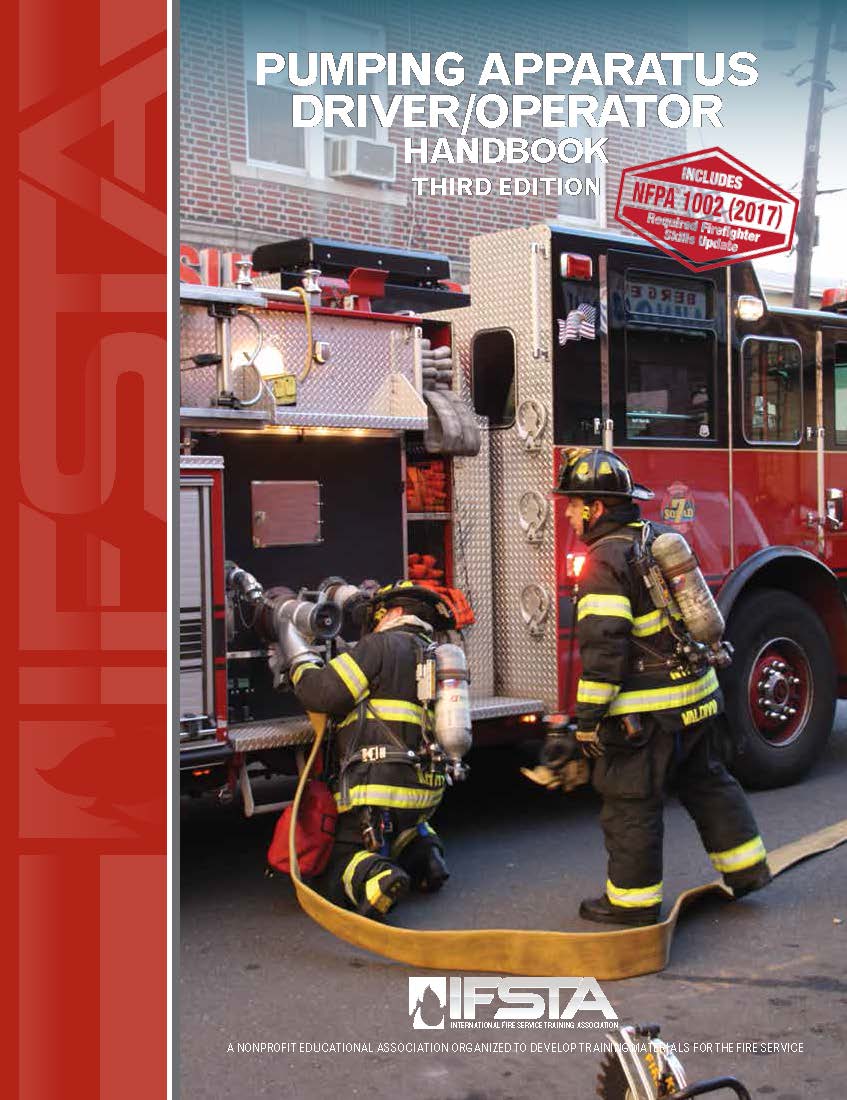
















 Every student must have a copy of the text in order to prepare for
class, study for the certification process, and complete the assignments and
learning activities.
Every student must have a copy of the text in order to prepare for
class, study for the certification process, and complete the assignments and
learning activities.