This class is to gain the knowledge and skills to be able to get your Firefighter 1 Certificate.
- Manager: Mikael Hesse


Hello and Welcome to the Devine Fire and EMS Academy!
We are excited for your transition into the fire service! Some basic information about the course:
We cannot wait to begin this journey with you!
-Devine Fire and EMS Academy


ESTC Fire Academy Class of 2024


| 1 | 11/4/24 | Monday | 1000-1400 | 4 | INTRO | Login, Class Outline, Book Assignments |
| Chapter 1 | Inroductions & fire dynamics review | |||||
| Chapter 2 | prefire planning review | |||||
| 2 | 11/5/24 | Tuesday | 1000-1200 | 2 | Fire Behavior | Dollhouse Burn @ Station 71 |
| 2 | 11/7/27 | Thursday | 1200-1600 | 4 | ||
| Chapter 3 | Managing the Incident review | |||||
| Chapter 4 | Sizeup Eval & Assesments Review | |||||
| Smoke & what does it tell you | ||||||
| 3 | 11/13/24 | Wednesday | 1000-1400 | 4 | Chapter 5 | Strategy |
| Chapter 6 | Tactics | |||||
| Fire Behavior | ||||||
| 4 | 11/19/24 | Tuesday | 0900-1300 | 4 | Chapter 7 | Residential Scenarios |
| Chapter 8 | Commercial Scenarios | |||||
| Chapter 9 | Special Hazard Scenarios | |||||
| 5 | 11/22/24 | Friday | 1000-1400 | 4 | Scenarios | |
| 6 | 12/4/24 | Wednesday | 1000-1200 | 4 | Evaluations | |
| 7 | 12/4/24 | Wednesday | 1300-1700 | 4 | Test |

This is a trial run for the IFSTA Hazardous Material Virtual Class Delivery
Welcome to the Central Oregon Aerial Class. This is the first time that we have had every department participate!
My name is Jason Ellison and I will be your lead instructor. I have been in the fire service for over 25 years. Most of my paid time was on a ladder truck in Clackamas County. Throughout my time I have picked up tips and tricks to make successful aerial operators. I hope you enjoy the class and are able to come away from the class as a competent aerial operator.
Class will be mostly hands on. You will need to fully complete the ResourceOne online assignments before June 24th.


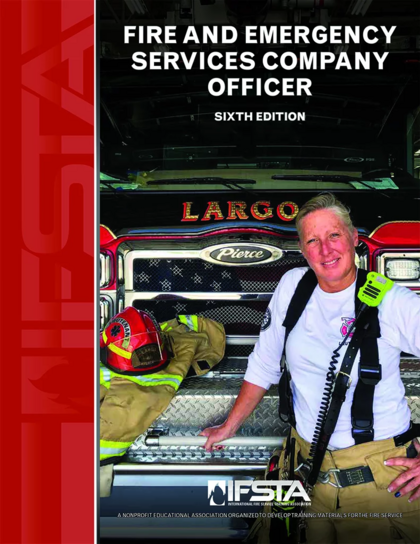
This course opens on Tuesday, October 15th and covers chapters 1 through 11 in the IFSTA Fire and Emergency Services Company Officer, 6th Edition textbook. All chapter tests must be successfully completed with a 70 percent or higher grade before 10pm on Sunday, December 15th. Each participant has up to 2 chances on each test to achieve the 70 percent.
On Monday, December 16th, class participants will meet at 08:30 to begin work on the practical skills required of this course. The group will meet on December 16th, December 17th, and December 18th from 08:30 to 16:00. (Depending on practical skill work progress, class sessions may be shortened)


This is a "hybrid" type course with most of the course work beginning on March 8, 2024 and ending on April 26/30, 2024. Participants will complete the work on their own and at their own pace, under the following guidelines:
The chapter quizzes and tests for chapters 1 through 5 must be completed by 08:00 on April 1.
The chapter quizzes and tests for chapters 6 through 10 must be completed by 08:00 on April 26.
Participants must score a 70 percent or higher on each quiz and test to move on to the next chapter quiz or test. Participants have 2 chances to successfully complete each quiz or test.
Chapter quizzes are not timed, so participants are encouraged to use their textbook if they are unsure of an answer while completing the quizzes.
Chapter tests are timed, with the time allowed for each test proportional to the number of questions in the test. For chapter tests, the total time allowed accounts for an average of 90 seconds per question.
There will be activities assigned during the course, which the participants will submit to the instructor on or before the last day of the course. Plenty of notice will be given to participants
Half of the class will meet at 09:00 on Friday, April 26 to complete the last activities. The other half will meet on Tuesday, April 30 to complete the last activities.
On the two days listed in item number 7, participants will each present on a topic to the other participants there in that session. Details of that activity will be distributed by March 29th.
This course is going to be run like an adult learning course in which each participant is responsible for setting aside time to work through the course materials. As listed above, the first five chapters must be completed by April 1. That is so that you don’t procrastinate too long. My suggestion for you is to set a goal of completing two chapters per week, so that you have all ten completed by the weekend of April 12th. That would give you two weeks of cushion time.
Once the course activities have been completed and everyone has successfully completed required course testing, a date will be set up for MO Division of Fire Safety certification testing. That will likely take place at the Cottleville FPD in our training room. The state’s certification test for Instructor 1 certification consists of 100 multiple choice questions from their testing bank.
Note: Anything and everything listed in chapters 1 through 10 in the IFSTA Fire and Emergency Services Instructor 9th Edition textbook is fair game for their test. So, taking the time to read the chapters, reviewing the lesson outlines, and reviewing the powerpoint presentations on the IFSTA ResourceOne site is all highly suggested.
In addition to the DFS certification test, once the course has been successfully completed, participants will receive a "task book" from the Division of Fire Safety that they will have to complete within 365 days. We will review that packet on the first day of class, and again on the last day of class as needed.
Throughout this class or course, participants are welcome and encouraged to reach out to the instructor for guidance or clarification on course work. I want all of you to be successful, so please reach out to me if you need assistance.

This is a 40-hour Basic ARFF Course that will instruct the students on basic Aircraft Rescue Fire Fighting skills as required by the FAA. By completing this course, the student will meet the basic requirements of FAR 139. 319 (i) / AC No: 150/5210-17C as required by the FAA & NFPA 1003 - Qualifications of an Aircraft Rescue Firefighter. This course will have both lecture and some hands-on instruction. Each day of class and will have 2 instructors for the course. This Course will be held 8 hours each day for 5 days. Students and / or sponsoring agency are responsible for textbooks and electronic software used for the course. Class will be using newest Aircraft Rescue Firefighting editions and curriculum, currently the IFSTA Aircraft Rescue and Firefighting 6th Edition Book but may change due to newer editions and curriculum. The requesting agency will be notified of any changes of book and curriculum changes by the lead instructor.
Goals: The goal of this course is that upon completion the student will have sufficient basic knowledge to apply skills and successfully perform basic Aircraft Rescue firefighting. Meeting these goals will accumulate into achieving the basic qualifications to meet the basic requirements for an aircraft rescue firefighter as set for by NFPA 1003 and FAR 139. 319 (i) / AC No: 150/5210-17C. The goal is to provide sufficient training and instruction such that firefighters can function well as part of a team.
Objectives: Initial training provided by each chapter will enable personnel to identify and interpret advanced theories, facts, concepts, principles, requirements, procedures, equipment, and components of ARFF. Trainees must also be able to apply these principles to the aircraft serving the airport and demonstrate all required tasks safely and accurately and in accordance with established procedures.
Completion of this course will provide the students with the fundamental knowledge and skills necessary to effectively manage and mitigate an aircraft emergency. Knowledge will be tested daily with quizzes on the chapters covered followed by a final exam on the final day of class. Students must pass the final exam by 70% to receive certificate.

This is a 40-hour Basic ARFF Course that will instruct the students on basic Aircraft Rescue Fire Fighting skills as required by the FAA. By completing this course, the student will meet the basic requirements of FAR 139. 319 (i) / AC No: 150/5210-17C as required by the FAA & NFPA 1003 - Qualifications of an Aircraft Rescue Firefighter. This course will have both lecture and some hands-on instruction. Each day of class and will have 2 instructors for the course. This Course will be held 8 hours each day for 5 days. Students and / or sponsoring agency are responsible for textbooks and electronic software used for the course. Class will be using newest Aircraft Rescue Firefighting editions and curriculum, currently the IFSTA Aircraft Rescue and Firefighting 6th Edition Book but may change due to newer editions and curriculum. The requesting agency will be notified of any changes of book and curriculum changes by the lead instructor.
Goals: The goal of this course is that upon completion the student will have sufficient basic knowledge to apply skills and successfully perform basic Aircraft Rescue firefighting. Meeting these goals will accumulate into achieving the basic qualifications to meet the basic requirements for an aircraft rescue firefighter as set for by NFPA 1003 and FAR 139. 319 (i) / AC No: 150/5210-17C including OSHA 1910.120 & NFPA 407 Hazardous Materials Response. The goal is to provide sufficient training and instruction such that firefighters can function well as part of a team.
IN Firefighter Driver Operator General and Pumper
May 2024 at Rensselaer FD
Course Description
Indiana Driver Operator General and Pumper: This class is designed prepare the firefighter for certification testing through classroom learning and hands on training. The student will be expected to read the assigned material before class. We will be handing out quizzes to be completed before class or using IFSTA Moodle. Although there will be classroom presentation, it will focus on information that can’t be covered out in the field. If you don’t understand something you read, the class will begin with a questions and answers session to try and answer those questions. Then there will be an opportunity to go over the quiz that was assigned. We will then discuss certain topics from the book as to how they may apply. The bulk of the time will concentrate on the skills, understanding what is expected, how to obtain the information, applying knowledge learned from the book and evaluating your work. You must attend all classes to be eligible to take the test. If you must miss a day, it is up to you to make up the material. It will be your responsibility to schedule time between you and an instructor to catch up.
Course Logistics
This class is based on the recently updated curriculum for Indiana Driver Operator certification. The book we will use is IFSTA Pumping and Aerial Apparatus Driver/Operator Handbook 3rd ed. You should be able to access an E book from your IFSTA account, so there will not be any hard copies available. Individuals or Fire Departments now may apply for free IFSTA eLibrary subscriptions via https://on.in.gov/ifsta-library-request. Each user must have an IFSTA ResourceOne account to access these publications. ResourceOne accounts can be created via https://moodle.ifsta.org/. Questions regarding the IFSTA eLibrary should be directed to Shelly Elliott.
We will be doing all the driving and such in and around Rensselaer. If several members attend from one department, you will be expected to provide a fire engine from your department. This will allow you to familiarize yourself with your own equipment and give us more than one piece of apparatus to use. Everyone will need to show a valid driver’s license prior to being allowed to participate in the hands-on portion.
Prerequisites
Driver’s licensee and Driver Operator General (for Driver Operator Pumper)
Dates All Times CST
May 1, 8, 15 - 6:00 pm to 10:00 pm
May 4, 5, 11, 12, 18, 19 - 9:00 am to 6:00 pm
Written test TBD
Instructors Evaluator
Fabian Martinez (219) 689-7118 Rob Grady (219) 644-9331
Will Sonntag (219) 712-0803
Matt Kodicek (219) 808-4230
George Humphrey (219) 608-4665
Driver Operator General
Weekday | 18:00-22:00 | Ch. 1- Types of Apparatus equipped with a pump | IFSTA Pumping and Aerial Apparatus Driver Operator pgs 10-25, 26-75 |
Weekday | 18:00-22:00 | Ch. 3- Apparatus Safety and Operating Emergency Vehicles | IFSTA Pumping and Aerial Apparatus Driver Operator pgs 76-131, 512-536 |
Weekend | 08:00-16:00 | Driving Course Skills/Written Test | Hands on Skills Days |
Driver Operator Pumper
Weeknight | 1800-2200 | Ch. 4- Positioning Apparatus |
Weeknight | 1800-2200 | Ch. 7- Theoretical Pressure |
Weekend | 800-1600 | Ch. 9- Fire Pump Theory |
Weeknight | 1800-2200 | Ch. 12- Relay Pumping Operations |
May 1, 8, 15 - 6:00 pm to 10:00 pm are lecture days
May 4, 5, 11, 12, 18, 19 - 9:00 am to 6:00 pm are skills days
May 4
Skills 2-1 to 2-9 and hopefully start some of the skill 3’s
May 5
Skills 3-1 to 3-5
15-1 to 15-5
May 11
Eval and start DOP skills
May 12
Skills 4-1 to 4-5 and 7-1
May 18
Skills 10-1 to 10-7
May 19 eval
IN FF DOG SKILLS
Skill # 2-1 | NFPA JPR# & Edition: 2014/2017 | Task: Clean the interior and wash and wax the exterior of a fire department apparatus |
Skill # 2-2 | NFPA JPR# & Edition: 2014/2017 4.2.1,4.2.2 | Task: Perform a routine walk-around maintenance inspection |
Skill # 2-3 | NFPA JPR# & Edition: 2014/2017 4.2.1,4.2.2, 4.3.7 | Task: Perform an in-cab operational inspection |
Skill # 2-4 | NFPA JPR# & Edition: 2014/2017 4.2.1 | Task: Test apparatus road and parking brakes |
Skill # 2-5 | NFPA JPR# & Edition: 2014/2017 4.2.1, 4.2.2 | Task: Perform engine compartment inspection and routine preventive maintenance |
Skill # 2-6 | NFPA JPR# & Edition: 2014/2017 4.2.1 | Task: Charge an apparatus battery. |
Skill # 2-7 | NFPA JPR# & Edition: 1002 2014/2017 4.2.1, 4.2.2, 5.1.1, 5.1.2 | Task: Perform daily inspections for apparatus equipped with a fire pump. |
Skill # 2-8 | NFPA JPR# & Edition: NFPA 1002, 2014 — 4.2.1, 4.2.2, 5.1.1; NFPA 1002, 2017 — 4.2.1, 4.2.2, 5.1.2 | Task: Perform weekly inspections for apparatus equipped with a fire pump. |
Skill # 2-9 | NFPA JPR# & Edition: NFPA 1002, 2014 — 4.2.2, 5.1.1; NFPA 1002, 2017 — 4.2.2, 5.1.2] | Task: Perform a hard intake hose service test. |
Skill # 3-1 | NFPA JPR# & Edition: NFPA 1002, 2014 and 2017 — 4.3.1 | Task: Start, idle, and shut down a fire service apparatus |
Skill # 3-2 | NFPA JPR# & Edition: NFPA 1002, 2014 and 2017 — 4.3.1, 4.3.6, 6.2.1, 7.2.2, 7.2.3 | Task: Drive a fire service apparatus |
Skill # 3-3 | NFPA JPR# & Edition: NFPA 1002, 2014 and 2017 — 4.3.2, 4.3.3, 4.3.4, 4.3.5, 6.2.1, 7.2.1, 7.2.3 | Task: Back apparatus using mirrors |
Skill # 3-4 | NFPA JPR# & Edition: NFPA 1002, 2014 and 2017 — 4.3.2, 4.3.3, 4.3.4, 4.3.5, 4.3.6, 6.2.1, 7.2.1, 7.2.3 | Task: Perform various driving exercises |
Skill # 3-5 | NFPA JPR# & Edition: NFPA 1002, 2014 and 2017 — 4.3.1, 7.2.2 | Task: Perform various road tests in a fire service apparatus |
Skill # 15-1 | NFPA JPR# & Edition: NFPA 1002, 2014 — 4.2.2, 5.1.1; NFPA 1002, 2017 — 4.2.2, 5.1.2 | Task: Perform an engine speed test |
Skill # 15-2 | NFPA JPR# & Edition: NFPA 1002, 2014 — 4.2.2, 5.1.1; NFPA 1002, 2017 — 4.2.2, 5.1.2 | Task: Perform a vacuum test |
Skill # 15-3 | NFPA JPR# & Edition: NFPA 1002, 2014 — 4.2.2, 5.1.1; NFPA 1002, 2017 — 4.2.2, 5.1.2 | Task Prepare the pumper and complete a performance test of a fire pump including the priming system, pumping overload, and pressure control tests |
Skill # 15-4 | NFPA JPR# & Edition: NFPA 1002, 2014 — 4.2.2, 5.1.1; NFPA 1002, 2017 — 4.2.2, 5.1.2 | Task Perform discharge gauge and flowmeter operational tests. |
Skill # 15-5 | NFPA JPR# & Edition: NFPA 1002, 2014 — 4.2.2, 5.1.1; NFPA 1002, 2017 — 4.2.2, 5.1.2 | Task Perform a tank-to-pump flow test |
IN DOP SKILLS
Skill # 4-1 | NFPA JPR# & Edition: NFPA 1002, 2014 — 5.2.1, 5.2.2, 5.2.4; NFPA 1002, 2017 — 5.2.4, 5.2.5, 5.2.7 | Task: Position pumper and make large diameter intake hose connections |
Skill # 4-2 | NFPA JPR# & Edition: NFPA 1002, 2014 — 5.2.1, 5.2.2, 5.2.4; NFPA 1002, 2017 — 5.2.4, 5.2.5, 5.2.7 | Task: Position pumper and connect to 2½-inch (65 mm) hydrant outlets. |
Skill # 4-3 | NFPA JPR# & Edition: NFPA 1002, 2014 — 5.2.1, 5.2.2, 5.2.4; NFPA 1002, 2017 — 5.2.4, 5.2.5, 5.2.7 | Task: Position pumper and make multiple intake connections from a hydrant. |
Skill # 4-4 | NFPA JPR# & Edition: NFPA 1002, 2014 — 5.2.1, 5.2.2, 5.2.4; NFPA 1002, 2017 — 5.2.4, 5.2.5, 5.2.7 | Task: Position pumper and make connections for a dual pumping operation. |
Skill # 4-5 | NFPA JPR# & Edition: NFPA 1002, 2014 — 5.2.1, 5.2.2, 5.2.4; NFPA 1002, 2017 — 5.2.4, 5.2.5, 5.2.7 | Task: Position pumper and make connections for a tandem pumping operation. |
Skill # 7-1 | NFPA JPR# & Edition: NFPA 1002, 2014 — 5.1.1, 5.2.1, 5.2.2; NFPA 1002, 2017 — 5.1.2, 5.2.4, 5.2.5 | Task: Test hose carried on fire department apparatus to determine friction loss. |
Skill # 10-1 | NFPA JPR# & Edition: NFPA 1002, 2014 — 5.2.1, 5.2.2, 5.2.4; NFPA 1002, 2017 — 5.2.4, 5.2.5, 5.2.7 | Task: Engage and disengage a power take-off (PTO).. |
Skill # 10-2 | NFPA JPR# & Edition: NFPA 1002, 2014 — 5.2.1, 5.2.2, 5.2.4; NFPA 1002, 2017 — 5.2.4, 5.2.5, 5.2.7 | Task: Engage and disengage a pump |
Skill # 10-3 | NFPA JPR# & Edition: NFPA 1002, 2014 — 5.2.1,; NFPA 1002, 2017 — 5.2.4 | Task: Perform pump operations from the apparatus water tank |
Skill # 10-4 | NFPA JPR# & Edition: NFPA 1002, 2014 — 5.2.1; NFPA 1002, 2017 — 5.2.4 | Task: Make the transition from the apparatus water tank to an external pressurized water supply |
Skill # 10-5 | NFPA JPR# & Edition: NFPA 1002, 2014 — 5.2.1; NFPA 1002, 2017 — 5.2.4 | Task: Operate from a pressurized water source |
Skill # 10-6 | NFPA JPR# & Edition: [NFPA 1002, 2014 — 5.2.1, 5.2.2, 5.2.4; NFPA 1002, 2017 — 5.2.3, 5.2.4, 5.2.5, 5.2.7] | Task: Draft from a static water supply |
Skill # 10-7 | NFPA JPR# & Edition: [NFPA 1002, 2014 — 5.2.4; NFPA 1002, 2017 — 5.2.7]
| Task: Supply water to a sprinkler/standpipe system |

Indiana Fire District 8
Instructor II
Fall 2024
Lead Instructor: David Calvin Instructor: Ryan Fipps
Lead Evaluator: Tim Deckard Evaluator: Nick Kelp
Proctor: Jon Ramsey
Course Prerequisites: Instructor I and at least 20 hours of instructional or evaluation hours. In addition to the previous requirements, each student is expected to read text materials prior to the beginning of each class meeting as a quiz is always a possibility with a score at or above 70% will be expected.
Goal: The goal of this class is to provide Instructor II candidates with the knowledge and practical skills needed to obtain the State of Indiana Instructor II certification.
Objectives: Objectives are printed on the first page of each chapter within the IFSTA Fire and Emergency Services Instructor, 9th edition manual. Knowledge of each objective is the key component of obtaining information and competency to help in passing the State of Indiana Instructor II written and practical's.
Required Text: The required text for the course is IFSTA’s Fire and Emergency Services Instructor, 9th edition. While not required, the IFSTA’s Fire and Emergency Services
Instructor Study Guide is a valuable tool to help prepare for each lesson in the course and for the certification exam. Study guide is available in electronic copy.
Course Description & Purpose: After completing the course the student will have met the sections required for Fire Instructor II in the National Fire Protection Association® (NFPA®) 1041, 2018 edition, professional qualifications standard. Students who successfully complete the certification process including demonstration of all practical skills and achieving a written examination score of 70% or more will be certified as Instructor II by the Board of Firefighting Personnel Standards and Education.
Course Length: 48 hours recommended: 30 hours classroom, 8 hours practical demonstration, 7 hours practical skills evaluation, and 3 hours for final state written exam.
Preparation for Skill Sessions: Instructor II candidates are expected to come to each classroom well prepared. Reading of course material is essential in the success of this course.
Assignments: There will be assigned reading from the course online handbook each class period. You are expected to read class material PRIOR to the next class and possibly quizzed on material.
Quizzes: Quizzes will use multiple-choice, true-false, short answer, and essay questions, and possibly case studies. Occasionally quizzes are developed by the instructor for the class and geared towards helping student knowledge of class and practical material.
Written Exam: The State of Indiana exams are multiple-choice and a limited number of true-false questions. Occasionally there will be review sessions offered to help in preparation for the exam.
The teaching and learning processes during this course include lecture and discussion, practical skill sessions, and scenarios. Both in and out of classroom experiences are used to further enhance instructor experience. This course is based on a community-learning environment, where everyone participates and takes responsibility for the success of both individuals and the class as a whole.
Class participants shall complete the following presentations, quizzes and practice exams from the IFSTA Resource One website by the end of the week posted below.
Class Time: Wednesday(s) 1830-2200 hours and/or Saturdays 0830-1700 hours.
Date | Chapter | Chapter Title | Text Reference | Skill Sheets |
August 14 (Wednesday) | Class orientation and Resource One refresher | |||
11 | Lesson Plan Development | pp. 213-245 | 11-1 to 11-11 | |
August 24 (Saturday) | DUE Skills 11-1 thru 11-6 | |||
15 | Instructor & Class Evaluations | pp. 319-328 | 15-1 and 15-2 | |
12 | Training Evolution Supervision | pp. 247-261 | 12-1 | |
September 7 (Saturday) | DUE Skills 11-7 thru 11-11, and 15-1 | |||
Record | Present skill 11-11 and complete skill 15-1 | |||
13 | Test Item Construction | pp. 263-289 | 13-1 to 13-2 | |
September 21 (Saturday) | DUE Skills 13-1, 13-2 and 15-2 | |||
14 | Supervisory & Administrative Duties | pp. 291-318 | 14-1 to 14-3 | |
Prep for increased hazard exposure training | ||||
October 5 (Saturday) | DUE Skill 12-1 | |||
Increased hazard exposure training | ||||
DUE Skills 14-1 thru 14-3 presentations and findings | ||||
October 9 (Wednesday) | State Practical Exam and course/instructor evaluations | |||
Demarcation of Training vs Testing for the Skills Portfolio: The entity shall demonstrate that credit is not given for skills accomplished during training, class work, or other means outside the testing mode. Testing can be accomplished during the same time period as training if there is a distinct line between the training mode and the testing mode of that time period.
Code of Ethics: The personal code of ethics is a public statement by fire service educators and instructors that establishes clear expectations and principles to guide practice and inspire professional excellence. It is the belief of fire service instructors that commonly held set of moral principles and values can assist in the individual exercise of professional judgement.
Those moral principles and values are the core values of the teaching profession as well as the fire service. The individual instructor should integrate these values into the professional and private lives to ensure the equity of their actions and decisions.
Skills: There are 19 skill sheets in the course. The skill applications are designed to apply the concepts and skills in chapters 11-15. The skill applications may be stations where an instructor provides coaching and demonstration, and an individual skill is performed. The skill applications are described below.
Skill Sheet 11-1: Create a lesson plan.
Skill Sheet 11-2: Write a learning objective.
Skill Sheet 11-3: Create a lesson outline.
Skill Sheet 11-4: Create an information sheet (handout).
Skill Sheet 11-5: Create a skill sheet.
Skill Sheet 11-6: Create a worksheet.
Skill Sheet 11-7: Create a study sheet.
Skill Sheet 11-8: Create an assignment sheet.
Skill Sheet 11-9: Create a lesson plan evaluation.
Skill Sheet 11-10: Evaluate and revise a prepared lesson plan.
Skill Sheet 11-11: Conduct a class using a lesson plan created by the Level II Instructor candidate.
Skill Sheet 12-1: Supervise multiple instructors and candidates during an increased hazard exposure training.
Skill Sheet 13-1: Develop test items.
Skill Sheet 13-2: Develop a performance skills evaluation.
Skill Sheet 14-1: Select resources, staff and facilities for specific instructional sessions.
Skill Sheet 14-2: Perform a needs analysis for training resources
Skill Sheet 14-3: Maintain and secure accurate training records so that all agency and legal requirements are met.
Skill Sheet 15-1: Administer a Level I instructor performance evaluation
Skill Sheet 15-2: Develop class evaluation forms.
Practical Skills Competency Profile
Instructor II Topics for Presentation: The instructor II candidates will choose a topic related to fire department training for its crew and officers. It is important to avoid having presentations of the same topics presented in the same course. Your training topic might be part of a progression such as small engines, ladders that leads to ventilation training. Your topic will be one part of that sequential training should you choose. Remember there is a 15-minute classroom presentation with a skill demonstration and evaluation.
Have at least a couple ideas for the first evening of the class. We will take time to discuss and decide on topics that evening. If we have topics that could be part of a sequential training, we will get together in small groups for 15 minutes to discuss ideas. Realize, you have to complete your own work.
As a Fire Service Instructor, you shall:
• Place safety and learning of the student above all other concerns.
• Nurture the intellectual, physical, emotional, social, and civic potential of each student.
• Create support, and maintain a challenging learning environment for all students.
• Apply your professional knowledge and skills to promote student learning at all times.
• Establish and maintain a clear set of standards for behavior and civility within the learning environment.
• Be a positive role model by displaying those habits of mind and work necessary to develop and apply knowledge while simultaneously displaying a courtesy and enthusiasm for learning.
• Strive to affirm the importance and the honor of the profession.
• Conduct both personal and official business in a manner that will inspire confidence and respect of others.
• Never be disrespectful of others in public and private.
• Be committed to your own learning and professional growth in order to further develop in the teaching profession and the fire service.
• Collaborate with colleagues and other professionals in the interest of student learning.
• Recognize cultural and linguistic heritage, gender, family, community, ethnicity, and race and their influences on experience and learning.
• Make decisions and take all actions based on the moral and ethical values of this state and this organization.

2023 Fire Officer 1 Syllabus
|
Class Date |
Instructor |
Skills to be completed |
|
May 9th Chapter 1 & 2 |
Manges |
2-1 |
|
May 11th Chapter 3 & 4 |
Manges |
3-1,4-1,4-2,4-3 |
|
May 16th Chapter 5 & 6 |
Likens |
5-1,5-2,6-1,6-2,6-3,6-4,6-5,6-6 |
|
May 18th Chapter 7 & 8 |
Manges |
7-1,7-2,7-3,8-1 |
|
May 23rd Chapter 9 |
Manges |
none |
|
May 25th Chapter 10 |
Manges |
10-1,10-2 |
|
May 30th Chapter 11 |
Manges |
11-1,11-2,11-3 |
|
June 1st State Test |
K. Stamm |
|
Course will be held at North Webster Community Center from 6-10PM
Resource one will be used for tests and quizzes/discussion board.
Lead Instructor: Cody Manges
Lead Evaluator Kyle Stamm
Proctor: Kyle Stamm


IN Firefighter Driver Operator General and Pumper
May 2024 at Rensselaer FD
Course Description
Indiana Driver Operator General and Pumper: This class is designed prepare the firefighter for certification testing through classroom learning and hands on training. The student will be expected to read the assigned material before class. We will be handing out quizzes to be completed before class or using IFSTA Moodle. Although there will be classroom presentation, it will focus on information that can’t be covered out in the field. If you don’t understand something you read, the class will begin with a questions and answers session to try and answer those questions. Then there will be an opportunity to go over the quiz that was assigned. We will then discuss certain topics from the book as to how they may apply. The bulk of the time will concentrate on the skills, understanding what is expected, how to obtain the information, applying knowledge learned from the book and evaluating your work. You must attend all classes to be eligible to take the test. If you must miss a day, it is up to you to make up the material. It will be your responsibility to schedule time between you and an instructor to catch up.
Course Logistics
This class is based on the recently updated curriculum for Indiana Driver Operator certification. The book we will use is IFSTA Pumping and Aerial Apparatus Driver/Operator Handbook 3rd ed. You should be able to access an E book from your IFSTA account, so there will not be any hard copies available. Individuals or Fire Departments now may apply for free IFSTA eLibrary subscriptions via https://on.in.gov/ifsta-library-request. Each user must have an IFSTA ResourceOne account to access these publications. ResourceOne accounts can be created via https://moodle.ifsta.org/. Questions regarding the IFSTA eLibrary should be directed to Shelly Elliott.
We will be doing all the driving and such in and around Rensselaer. If several members attend from one department, you will be expected to provide a fire engine from your department. This will allow you to familiarize yourself with your own equipment and give us more than one piece of apparatus to use. Everyone will need to show a valid driver’s license prior to being allowed to participate in the hands-on portion.
Prerequisites
Driver’s licensee and Driver Operator General (for Driver Operator Pumper)
Dates All Times CST
May 1, 8, 15 - 6:00 pm to 10:00 pm
May 4, 5, 11, 12, 18, 19 - 9:00 am to 6:00 pm
Written test TBD
Instructors Evaluator
Fabian Martinez (219) 689-7118 Rob Grady (219) 644-9331
Will Sonntag (219) 712-0803
Matt Kodicek (219) 808-4230
Driver Operator General
Weekday | 18:00-22:00 | Ch. 1- Types of Apparatus equipped with a pump | IFSTA Pumping and Aerial Apparatus Driver Operator pgs 10-25, 26-75 |
Weekday | 18:00-22:00 | Ch. 3- Apparatus Safety and Operating Emergency Vehicles | IFSTA Pumping and Aerial Apparatus Driver Operator pgs 76-131, 512-536 |
Weekend | 08:00-16:00 | Driving Course Skills/Written Test | Hands on Skills Days |
Driver Operator Pumper
Weeknight | 1800-2200 | Ch. 4- Positioning Apparatus |
Weeknight | 1800-2200 | Ch. 7- Theoretical Pressure |
Weekend | 800-1600 | Ch. 9- Fire Pump Theory |
Weeknight | 1800-2200 | Ch. 12- Relay Pumping Operations |
IN FF DOG SKILLS
Skill # 2-1 | NFPA JPR# & Edition: 2014/2017 | Task: Clean the interior and wash and wax the exterior of a fire department apparatus |
Skill # 2-2 | NFPA JPR# & Edition: 2014/2017 4.2.1,4.2.2 | Task: Perform a routine walk-around maintenance inspection |
Skill # 2-3 | NFPA JPR# & Edition: 2014/2017 4.2.1,4.2.2, 4.3.7 | Task: Perform an in-cab operational inspection |
Skill # 2-4 | NFPA JPR# & Edition: 2014/2017 4.2.1 | Task: Test apparatus road and parking brakes |
Skill # 2-5 | NFPA JPR# & Edition: 2014/2017 4.2.1, 4.2.2 | Task: Perform engine compartment inspection and routine preventive maintenance |
Skill # 2-6 | NFPA JPR# & Edition: 2014/2017 4.2.1 | Task: Charge an apparatus battery. |
Skill # 2-7 | NFPA JPR# & Edition: 1002 2014/2017 4.2.1, 4.2.2, 5.1.1, 5.1.2 | Task: Perform daily inspections for apparatus equipped with a fire pump. |
Skill # 2-8 | NFPA JPR# & Edition: NFPA 1002, 2014 — 4.2.1, 4.2.2, 5.1.1; NFPA 1002, 2017 — 4.2.1, 4.2.2, 5.1.2 | Task: Perform weekly inspections for apparatus equipped with a fire pump. |
Skill # 2-9 | NFPA JPR# & Edition: NFPA 1002, 2014 — 4.2.2, 5.1.1; NFPA 1002, 2017 — 4.2.2, 5.1.2] | Task: Perform a hard intake hose service test. |
Skill # 3-1 | NFPA JPR# & Edition: NFPA 1002, 2014 and 2017 — 4.3.1 | Task: Start, idle, and shut down a fire service apparatus |
Skill # 3-2 | NFPA JPR# & Edition: NFPA 1002, 2014 and 2017 — 4.3.1, 4.3.6, 6.2.1, 7.2.2, 7.2.3 | Task: Drive a fire service apparatus |
Skill # 3-3 | NFPA JPR# & Edition: NFPA 1002, 2014 and 2017 — 4.3.2, 4.3.3, 4.3.4, 4.3.5, 6.2.1, 7.2.1, 7.2.3 | Task: Back apparatus using mirrors |
Skill # 3-4 | NFPA JPR# & Edition: NFPA 1002, 2014 and 2017 — 4.3.2, 4.3.3, 4.3.4, 4.3.5, 4.3.6, 6.2.1, 7.2.1, 7.2.3 | Task: Perform various driving exercises |
Skill # 3-5 | NFPA JPR# & Edition: NFPA 1002, 2014 and 2017 — 4.3.1, 7.2.2 | Task: Perform various road tests in a fire service apparatus |
Skill # 15-1 | NFPA JPR# & Edition: NFPA 1002, 2014 — 4.2.2, 5.1.1; NFPA 1002, 2017 — 4.2.2, 5.1.2 | Task: Perform an engine speed test |
Skill # 15-2 | NFPA JPR# & Edition: NFPA 1002, 2014 — 4.2.2, 5.1.1; NFPA 1002, 2017 — 4.2.2, 5.1.2 | Task: Perform a vacuum test |
Skill # 15-3 | NFPA JPR# & Edition: NFPA 1002, 2014 — 4.2.2, 5.1.1; NFPA 1002, 2017 — 4.2.2, 5.1.2 | Task Prepare the pumper and complete a performance test of a fire pump including the priming system, pumping overload, and pressure control tests |
Skill # 15-4 | NFPA JPR# & Edition: NFPA 1002, 2014 — 4.2.2, 5.1.1; NFPA 1002, 2017 — 4.2.2, 5.1.2 | Task Perform discharge gauge and flowmeter operational tests. |
Skill # 15-5 | NFPA JPR# & Edition: NFPA 1002, 2014 — 4.2.2, 5.1.1; NFPA 1002, 2017 — 4.2.2, 5.1.2 | Task Perform a tank-to-pump flow test |
IN DOP SKILLS
Skill # 4-1 | NFPA JPR# & Edition: NFPA 1002, 2014 — 5.2.1, 5.2.2, 5.2.4; NFPA 1002, 2017 — 5.2.4, 5.2.5, 5.2.7 | Task: Position pumper and make large diameter intake hose connections |
Skill # 4-2 | NFPA JPR# & Edition: NFPA 1002, 2014 — 5.2.1, 5.2.2, 5.2.4; NFPA 1002, 2017 — 5.2.4, 5.2.5, 5.2.7 | Task: Position pumper and connect to 2½-inch (65 mm) hydrant outlets. |
Skill # 4-3 | NFPA JPR# & Edition: NFPA 1002, 2014 — 5.2.1, 5.2.2, 5.2.4; NFPA 1002, 2017 — 5.2.4, 5.2.5, 5.2.7 | Task: Position pumper and make multiple intake connections from a hydrant. |
Skill # 4-4 | NFPA JPR# & Edition: NFPA 1002, 2014 — 5.2.1, 5.2.2, 5.2.4; NFPA 1002, 2017 — 5.2.4, 5.2.5, 5.2.7 | Task: Position pumper and make connections for a dual pumping operation. |
Skill # 4-5 | NFPA JPR# & Edition: NFPA 1002, 2014 — 5.2.1, 5.2.2, 5.2.4; NFPA 1002, 2017 — 5.2.4, 5.2.5, 5.2.7 | Task: Position pumper and make connections for a tandem pumping operation. |

Skill # 7-1 | NFPA JPR# & Edition: NFPA 1002, 2014 — 5.1.1, 5.2.1, 5.2.2; NFPA 1002, 2017 — 5.1.2, 5.2.4, 5.2.5 | Task: Test hose carried on fire department apparatus to determine friction loss. |
Skill # 10-1 | NFPA JPR# & Edition: NFPA 1002, 2014 — 5.2.1, 5.2.2, 5.2.4; NFPA 1002, 2017 — 5.2.4, 5.2.5, 5.2.7 | Task: Engage and disengage a power take-off (PTO).. |
Skill # 10-2 | NFPA JPR# & Edition: NFPA 1002, 2014 — 5.2.1, 5.2.2, 5.2.4; NFPA 1002, 2017 — 5.2.4, 5.2.5, 5.2.7 | Task: Engage and disengage a pump |
Skill # 10-3 | NFPA JPR# & Edition: NFPA 1002, 2014 — 5.2.1,; NFPA 1002, 2017 — 5.2.4 | Task: Perform pump operations from the apparatus water tank |
Skill # 10-4 | NFPA JPR# & Edition: NFPA 1002, 2014 — 5.2.1; NFPA 1002, 2017 — 5.2.4 | Task: Make the transition from the apparatus water tank to an external pressurized water supply |
Skill # 10-5 | NFPA JPR# & Edition: NFPA 1002, 2014 — 5.2.1; NFPA 1002, 2017 — 5.2.4 | Task: Operate from a pressurized water source |
Skill # 10-6 | NFPA JPR# & Edition: [NFPA 1002, 2014 — 5.2.1, 5.2.2, 5.2.4; NFPA 1002, 2017 — 5.2.3, 5.2.4, 5.2.5, 5.2.7] | Task: Draft from a static water supply |
Skill # 10-7 | NFPA JPR# & Edition: [NFPA 1002, 2014 — 5.2.4; NFPA 1002, 2017 — 5.2.7]
| Task: Supply water to a sprinkler/standpipe system |

Company Officer class for current Out-of-Rank personnel.

Welcome to the IFD Instructor 1 class. This class will be shift friendly meaning you only need to attend one of the two days being offered each week. Class days are Tuesday or Wednesday, 0900 to 1500 both days. The class will be help at the IFD Training Academy, 9050 E. 33rd St. Indianapolis. You will be required to complete each chapter test as well as all skills prior to taking the skills exam and written exam. If you have any questions please feel free to contact me. Thank you for participating and enjoy the class.
The Instructor Level 1 course is a comprehensive course consisting of (36) thirty-six hours of instructional time and up to (8) eight hours of certification testing which meets the requirements of NFPA 1041 Standard for Fire Service Instructor Professional Qualifications. At the completion of this class, you will be eligible for a written examination consisting of one hundred (100) questions and able to participate in skills testing. As a student/candidate, reading chapters 1 thru 10 prior to class, completing in class assignments and homework assignments for class presentations, you will be setting yourself on a successful path to becoming a new Level 1 Fire Service Instructor.

The Instructor Level 1 course is a comprehensive course consisting of
(36) thirty-six hours of instructional time and up to (8) eight hours of
certification testing which meets the requirements of NFPA 1041
Standard for Fire Service Instructor Professional Qualifications. At
the completion of this class, you will be eligible for a written
examination consisting of one hundred (100) questions and able to
participate in skills testing. As a student/candidate, reading chapters
1 thru 10 prior to class, completing in class assignments and homework
assignments for class presentations, you will be setting yourself on a
successful path to becoming a new Level 1 Fire Service Instructor.


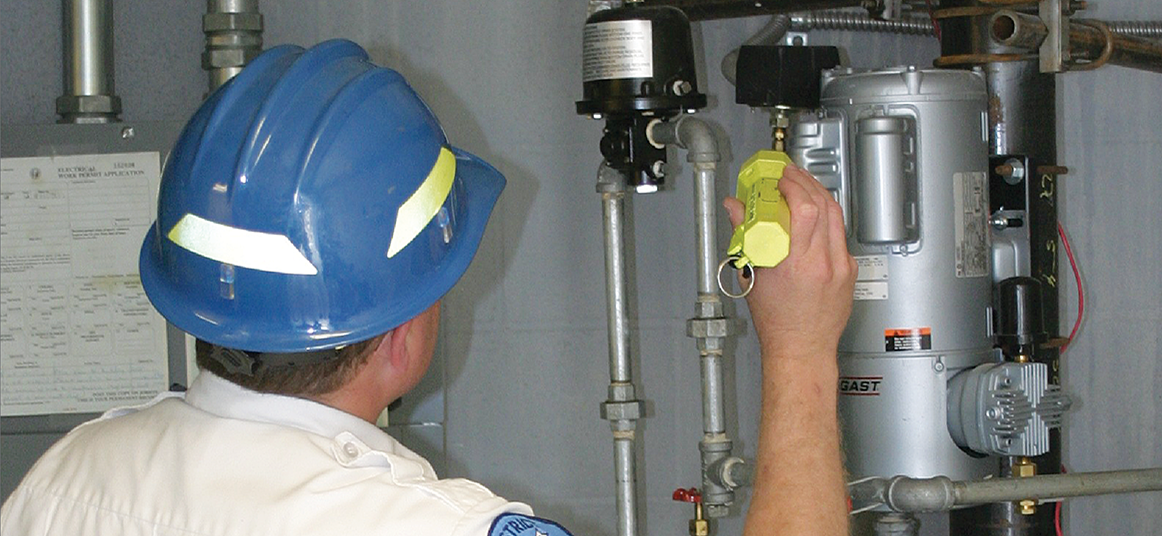
Lewis County Fire District 2 will be hosting a fire academy for current LCFD 2 firefighters who do not currently have IFSAC/ProBoard FF1. The academy will be open to select members, both paid and volunteer, of Lewis County Fire District 2 with Training Officer Approval. Students will be given education instruction and opportunities to learn and hone skills related to the fire service. It is expected that at the completion of the course all students will complete all requirements for and successfully pass the International Fire Service Accreditation of Congress Firefighter 1, Hazardous Materials Awareness, and Hazardous Materials Operations level testing and certification.
Application Deadline: December 6th, 2024
Academy Start: January 7th, 2025
Academy Completion: May 29th, 2025
Graduation: May 31th, 2025
The department is responsible for providing the following to each student:
Full turn-out ensemble that meets NFPA 1971
Hose strap x 2
Spanner wrench
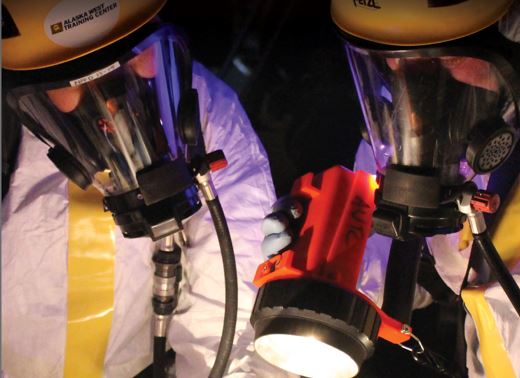
Working flashlight (90 degree or helmet light preferred)
SCBA pack + spare bottle
PASSPORT tags
Coleman 1 gallon water jug in red
PT/Academy shirt and shorts
Each student will be responsible for the following:
Meet physical standards outlined below prior to applying for entry into the academy and maintain them for the duration of academy
Complying with the expectations outlined in this and other supporting academy documents
Find and utilize a space to serve as a learning environment to study and read, outside of classroom time, to prepare and learn fire academy course material
Work with other academy students outside of class time to study and train together
Packed lunch and snacks for skills days
PT clothes
Closed-toed shoes
PT uniform as provided.
Knee pads (Optional)
Yoga mat (Optional)
Gym/hand towel (Optional)
Student’s Physical Standards for Entry
Fire academy will be a labor-intensive program geared toward teaching and having the students demonstrate proficiency in many fire service skills. Students will be expected to be able to perform all tasks and skills that could be called upon them during a fire ground scene and those matching the Washington State Patrol Firefighter 1 Skill Sheets.
The academy and instructors wish to limit any injuries or medical emergencies during the fire academy program. We strongly encourage students to be well rested and well hydrated prior to any skills weekend. To best prepare students for this, we encourage The Department to meet with their prospective recruits to assess their physical abilities or any limitations they may have prior to and during fire academy.
All students wishing to enter the academy should be able to perform the following movements without pain or limitation for the best success throughout the academy and during their time in the fire service.
Physical Agility and Capacity Assessment:
Walk 1 mile distance in 25 min or less
Lift 55lbs from ground to waist
Lift 55lbs from waist to chest height
Go from standing to kneeling to prone and return to standing within 30 seconds
Have a current LCFD 2 Firefighter PAT Test
Students should be informed of and know that each skills weekend will have calisthenics and warm-up before moving to skill stations. At the end of the day, students will have a cool-down and stretch period during an After Action Review/review of the day.

This accelerated Fire Investigator I course utilizes a blended format of 25 hours of self-directed learning through CFITrainer.net (prior to class) combined with 40 hours of classroom presentation and practical skills.
Upon successful completion of both the practical skills and written examination on Day 5, students will be awarded the Fire Investigator I certification by the Indiana Board of FIrefighting Personnel Standards and Education.
Go to CFITrainer.net, set up a free account, go to "all programs" (not multi-program certificate):
Please bring “transcript” of completed courses to first day of class

LEARNING MODULES
This course will prepare you for Missouri Division of Fire Safety testing for Hazmat Awareness and Operations. Class days are every Tuesday and Thursday from 6pm to 10pm, with skills testing on 04/27/2024.

NFPA Fire Pump Operator's Academy is a 32 hour program that includes both classroom and hands-on training.
The program meets NFPA 1002: Standards for Fire Apparatus Driver/Operator Professional Qualifications and follows the International Fire Service Training Association (IFSTA) Pumping Apparatus curriculum.
Students will be presented with essential information, written test, skills and practical exercises relevant to operating and pumping fire apparatus.
This training includes (but is not limited to):


Participants will be required to demonstrate proficiency with the delivered skills, including the use of various appliances, hose stretches, maintaining a water supply, managing proper flows and pressures, troubleshooting, foam operations and more.


Course Requirements:
Coursework: Online and In-Person on Shift Schedule
Skills Practice Day: Students will attend an in-person skills practice day on DATE, at Pantex Fire Department located at 799 FM 2373, Panhandle, TX 79068.
Final Exam and TCFP Skills Testing (Required): Conducted in person on DATE, at Pantex Fire Department located at 799 FM 2373, Panhandle, TX 79068. (12-130 FD Training Classroom)

This class will teach basic Haz-Mat and Firefighting.

Hello everyone, and welcome to the Portland Fire Department Fire Instructor 1 course. This course will help you understand the role and responsibilities of a fire instructor. We will be using the IFSTA Fire Instructor Manual 9th edition. The self-paced class will begin on September 1 and end at the end of September. The final exam will be held on three different days: September 30, October 2, and October 4. The location for the final exam and state skills assessment will be communicated to everyone at a later date. If you have any questions, please feel free to email me at thomas.pinder@portlandtx.com or call me at 361-813-1102.
This course will be delivered through classroom and skills sessions at Radcliff Fire Headquarters between 4/23 and 5/2/24.
It is expected that students will read the course material prior to the classroom sessions if possible. The better prepared that students are for each session, the more enhancements can occur to meet the objectives in each topic area.
You will receive a schedule that includes reading assignments as soon as you register for the course in IFSTA Resource 1.

The Driver Operator Pumper and Core Class Fire Service course is an intensive and comprehensive training program designed to equip fire service personnel with the essential skills and knowledge required to operate and manage fire apparatus pumpers effectively. This course covers the core competencies necessary for safe and efficient pump operation, emphasizing both theoretical understanding and practical application.
Course Objectives:

Welcome to the Riverside Fire Department Aerial Certification course. This course will be held between July 31 and August 27, 2024. The course will be Hybrid format. All course work will open on July 31 an you will have until August 27 to complete all coursework and tests. August 28 and 29 will be a classroom setting reviewing all material and preparing you for Practical Skills testing here at Riverside Fire Department. Practical skills testing will take place at the Riverside Fire Department on August 30.

Round Mountain Fire department Firefighter 1 class

This Fire Investigator course utilizes a blended format of 22 hours of self-directed learning through CFITrainer.net combined with 40 hours of classroom presentation and practical skills. Text for this course is Fire Investigator, IFSTA, 3rd Edition. Upon successful completion of both the practical skills and written examination, students will be awarded the Fire Investigator I certification by the Indiana Board of Firefighting Personnel Standards and Education.


We are excited to announce the upcoming FFP 1301 Fire Service Hydraulics course, which will be conducted in-house at the Fire District. This course will follow a hybrid format, consisting of an online portion followed by a single day of in-class instruction to complete the process.
For this hybrid course, we will be using the IFSTA Pumping Apparatus Driver book, the same resource utilized for engineer testing within the Fire District and the state pump operator course. The program will employ an online format through the company, utilizing Resource One.
There is no cost associated with this course, except for the purchase of the required book. If you are currently preparing for an upcoming engineer's test, this class will utilize the book, PowerPoint presentations, quizzes, and tests provided by the company.
To enroll, simply sign up, and once provided with the online course information, you can log in and begin. Registration for the course is now open. The class will open on March 1 and will end on April 4. The Classroom will be on April 4 in the Training Division.
We look forward to your participation!
Welcome to Sturgeon County Emergency Services' NFPA 1001 Firefighter 1 course. This course is designed to provide you with the basic skills and knowledge required to be an effective and safe firefighter. Sturgeon County Emergency Services responses to a variety of incidents types. In order for you to be an effective member of the team, your efforts in this course will determine your success as a firefighter. The course will challenge you both physically and mentally, so be sure to work together and support each other throughout the next few months of your learning experience.
In order to successfully complete this course, you will be required to dedicate a large amount of time to studying the course material and performing the practical skills. A career as a firefighter, whether part-time, full-time, or casual requires you to constantly learn and refine your skills. I highly recommend you reach-out to each other, and members from your stations, to practice and refine the skills you will be learning.
The safety of everyone both in the classroom and on the fire ground will always be our first priority. Horse play, inattention, or dangerous actions will not be tolerated. Students who fail to follow safety procedures may be released from the course.
Here are some brief words from your Lead Instructor of this course:
Hello and welcome to Sturgeon County Emergency Services. I'm excited for each of you taking the first step in your career as a firefighter with SCES. Whether you intend to make this a full-time career or are just looking for a way to get involved with the community, I'm happy you have joined our family and hope you enjoy your journey.
By now, all of you may have noticed a motto on the side of our trucks "Committed to Community". During the next few months, I would ask you to think about what that motto means to you and how you can live it out as a SCES Firefighter. We are going to ask a lot from you in this course, on the fireground, and both directly and indirectly from your personally lives. If you are able to fully understand and appreciate what it means to be "Committed to Community", I believe you will fully understand what it means to be a great Firefighter.
I look forward to meeting you all and working together. I truly believe we can offer you a great learning experience, due to the unique background and experiences of your instructors.
I want to see everyone be successful. If you have any questions about the course, need help with material, or just need to chat, I am available at 780-984-5806.
Good luck and take care!
Firefighter Spencer Zee


This is a combined DO-p and DO-A class to run concurrent


The University of Akron
Continuing and Professional Education
Fire Safety Inspector
This 80 hour course is designed to meet the requirements for State of Ohio Fire Safety Inspector. This class meets certifi cationrequirements established by the Ohio Department of Public Safety and NFPA 1031, Fire Inspector Professional Qualifi cations.
Dates: December 2-13 & 16, 2024. This class will be an in-person class.
December 16 will be a testing day.
The state certification test date is TBD
Required Textbook: IFSTA Fire Inspection and Code Enforcement, 8th Edition, ISBN 978-0-87939-605-3
Students must bring the current Ohio Fire Code book to class. The Fire Code book is used heavily starting on the first day.
Location: The University of Akron, 225 S. Main Street, Room 313, Akron, OH 44308


This course uses an intensive instructional methodology program to prepare the participants to plan and develop all course curriculum aspects. The course includes needs analysis, task analysis, course goals and objectives, lesson plan development, instructional support materials, and evaluation instruments. (NFPA 1041, 2019 Edition). Methods of instruction include lectures, discussions, virtual classroom exercises, case studies, audio/visual material, learner presentations/reports, quizzes, and an on-site final IFSAC written and practical examination.