- Manager: Brandon Wood


Each month there is material offered to complete to gain training hours towards annual training requirements. This online program will allow for four hours training for each successful completion of that modules TEST. A test grade of 70% is required to gain credit for the module. Students will have THREE attempts to obtain a 70% grade per module. Each module that has skill sheets attached can be printed out and completed by a minimum of two individuals for one hour credit per skill sheet. A training roster must accompany each skill sheet printed out and completed. Once a month is closed the tests will also be closed. Therefore you cannot return and complete previous months tests to gain credit after that month has ended.
HAZMAT= 8 HOURS
DRIVER/OPERATOR= 8 HOURS
COMPANY FIRE HOURS= 68 HOURS
OFFICER= 8 HOURS

Fireground Strategies and Tactics for First Arriving Companies
Designed for the first arriving officer at any incident. The primary focus of this course is structural firefighting but the lessons learned are applicable for any emergency scene. Elements of this course include scene sizeup, decision making, determining incident strategies, and making tactical assignments. Also included are lessons on building construction, fire behavior and growth as well lessons for operating at common non-fire incidents such as motor vehicle accidents, propane and natural gas emergencies, and other typical non-fire emergencies. In addition to lecture and classroom activities this course utilizes scenarios to allow participants to employ their newly learned skills in real time.

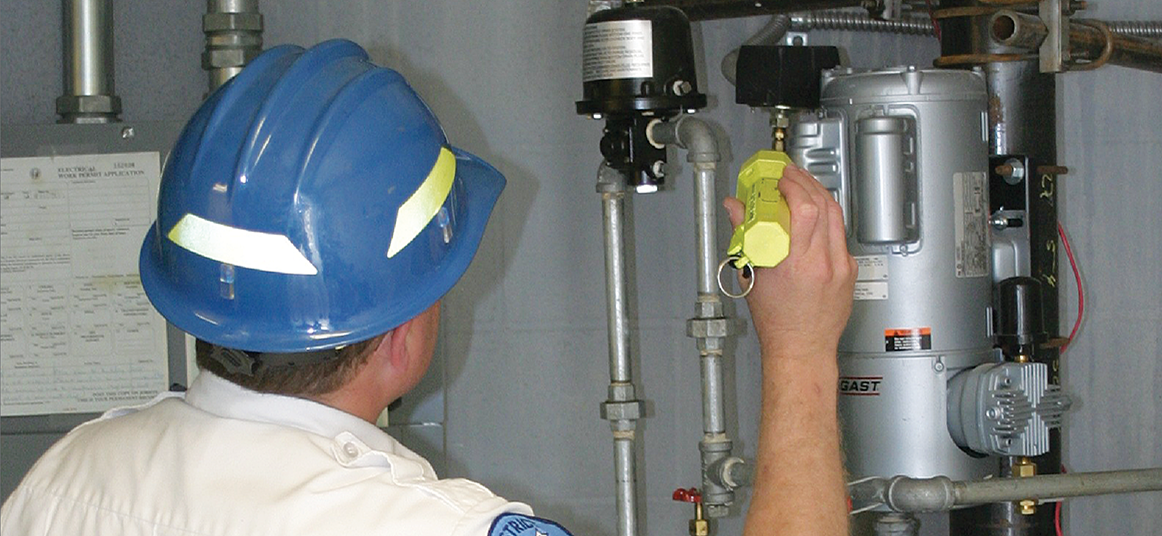
The Fire Inspector curriculum is designed to provide clear guidance that ensures adequate presentation of the information required to meet the Job Performance Requirements (JPRs) of the National Fire Protection Association (NFPA) 1031, Standard for Professional Qualifications for Fire Inspector and Plan Examiner, 2014 Edition. The Fire Inspector curriculum is chapter 4 of the Texas Commission on Fire Protection (TCFP) Curriculum Manual.
To qualify for the Fire Inspector certification, the Fire Inspector I and II curricula must be completed.
Reference List:
-Emergency Response Guidebook, (current edition). U.S. Department of Transportation
-Fire Inspection and Code Enforcement (8th ed.) (2016). Stillwater, OK: Fire Protection Publications. International Fire Service Training Association.
-Hazardous Materials for First Responders (5th Ed.) (2017). Stillwater, OK: Fire Protection. Publications. International Fire Service Training Association.
-Local Codes and Standards.
-NFPA 1031: Standard for Professional Qualifications for Fire Inspector and Plan Examiner (2014 ed.). Quincy, MA: National Fire Protection Association. NFPA Publications.
-NFPA 472: Standard for Competence of Responders to Hazardous Materials/Weapons of Mass Destruction Incidents (2013 ed.). Quincy, MA: National Fire Protection Association. NFPA Publications.
-Standards Manual for Fire Protection Personnel. Austin, TX: Texas Commission on Fire Protection.


This course is intended to get the Alamosa Airport Fire Rescue Crew the knowledge and training to pass the Colorado State Firefighter 1 testing and to serve the Alamosa Airport properly in time of emergency.


This course covers the Fire/Rescue portion of the Anchorage Middletown Fire & EMS Drill School. It will address all requirements of NFPA 1001 & 1002 and prepare the student to pass the IFSAC Firefighter I, Firefighter II and IFSAC Hazardous Materials Awareness and Operations certification tests for both written and skill through use of the JPR's required by the Commonwealth of Kentucky's Fire Commission and State Fire Rescue Training.


This course will cover both national and Florida specific information relating to an Incident Safety Officer. Topics include: The Safety Officer’s Role; Safety Concepts; Regulations, Codes, Laws, Standards and Procedures; Designing an ISO System; Professional Development; Reading Buildings, Smoke, Risk, Hazardous Energy, and Firefighters; Triggers, Traps and Working within ICS; Basic Approach to ISO Duties; ISO at Structure Fires, Wildland Fires, Hazardous Materials Incidents and Technical Rescues; and Post Incident Responsibilities.

The curriculum for the class was developed for Indian River Shores Public Safety Department but meets and exceeds the standards for ATPC 1302 - Fire Apparatus Operations and is the second class of the two part series to test for Florida Pump Operator certification. The curriculum covers the laws, rules and driving techniques for emergency vehicles, as well as a review of fire service hydraulics. Fire ground evolutions and a driving course make up the practical part of the course. The evolution portion of the course includes the use of pre-connected lines, tandem pumping, drafting, relays and master streams. The student should have a basic understanding of fire stream hydraulics prior to entering this course. Students must bring gloves and proper attire for water pumping exercises.
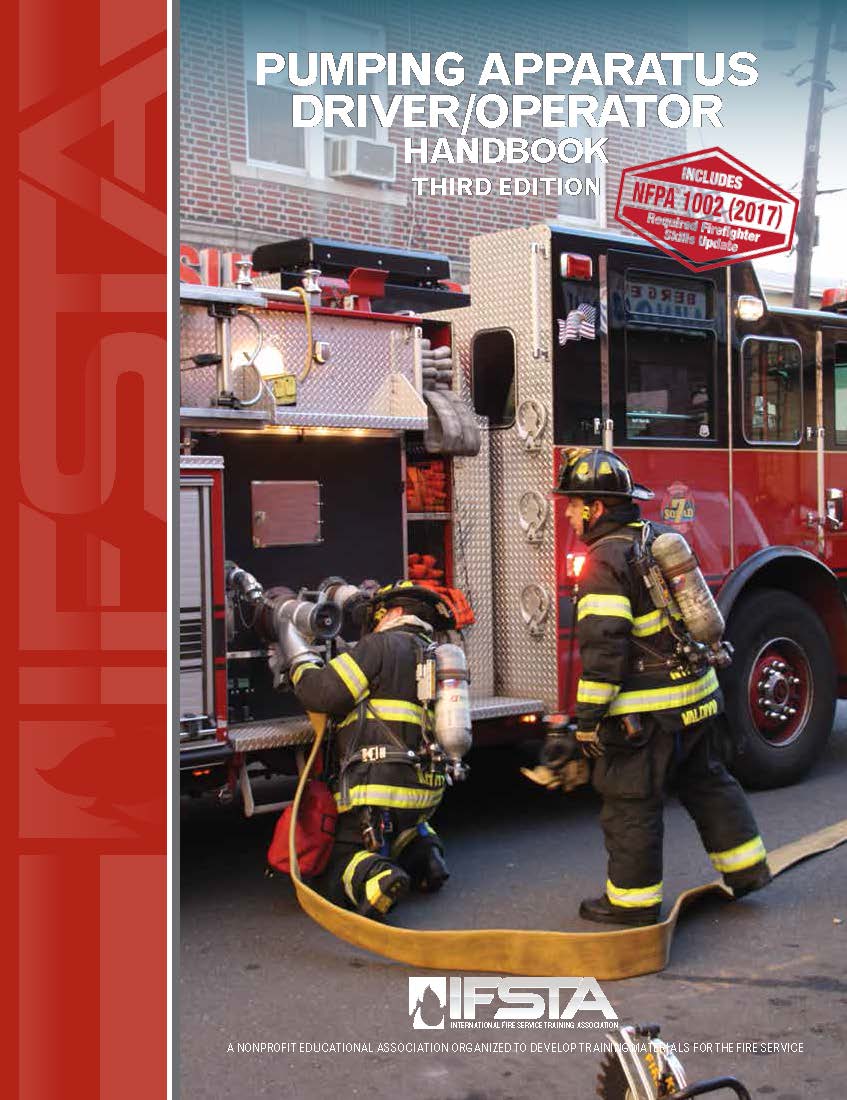
eBook Pumping Apparatus Driver/ Operator Handbook, 3rd Edition

IFSAC Fire Fighter II Course with on-line and in-person sessions. Prepares members holding current FF1 to advance to the next level.

Each week will Begin on a Sunday and End on Saturday at Midnight. You will have the entire week to read the assigned chapter and Powerpoint given for the week, as well as completing the Quiz, Test, and Discussion Forum Questions. If at any point their are questions in reference the Course Please Reach Out to Chief Towe or Lieutenant Law.
After the Curriculum has been completed we will have several Days where we will all come together and work on the skills in which you will be tested on.
The Nims Assignments are not required as each of you have already completed those. The Incident Management chapter at the very end is the only one required.

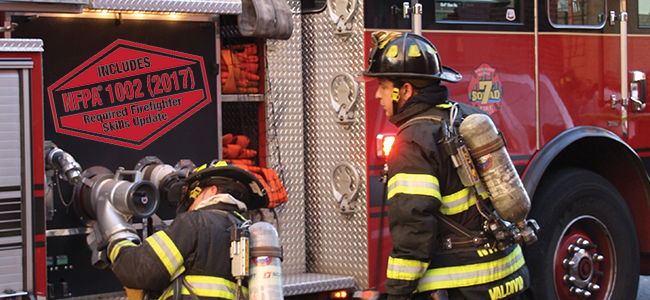
The Driver Operator Pumper course is designed for fire department personnel to safely operate a fire apparatus during an emergency situation. This course meets or/exceeds the job performance requirements for the National Fire Protection Association (NFPA) 1002 and the Texas Commission on Fire Protection. By obtaining this certification you will strengthen your ability to safely and effectively operate a fire apparatus on the fire ground. The course highlights key points such as fire apparatus maintenance/inspection, safely operating a fire apparatus, effectively pumping, driver safety maneuvers and strategies and tactics with a pumper.
This is a six week course which will begin August 15-September 26, 2018 through the IFSTA ResourceOne training platform. Students will receive login instructions to the IFSTA RescourceOne program via email one day before the course begins. Students are expected to cover 2-3 chapters a week with quizzes and tests reviewing each chapter and must maintain a GPA of a 70.

Course Description: The purpose of this course is to place emphasis on fire prevention through inspection, code enforcement, the use of model building and fire prevention codes, including detailed information on the legal, economic, and political aspects of the fire inspection process.

This is the information hub for the Bracebridge Fire Department. If you have any questions or any items you would like to see added, contact the deputy fire chief.

This advanced course builds on Fire Instructor I and meets the requirements of NFPA 1041 for Fire Instructor II. Students will learn to supervise instructors, develop lesson plans and evaluation tools, and manage fire service training programs.

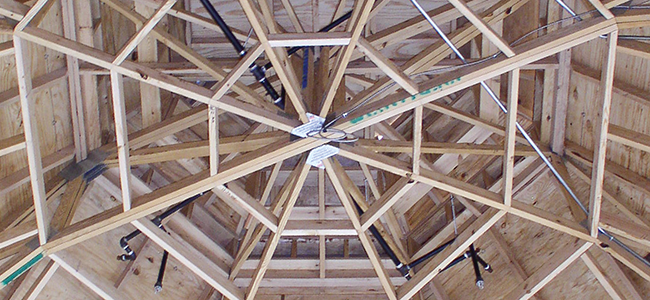
Provides the components of building construction that relate to fire and life safety. Focuses on firefighter safety. Covers the elements of construction and design of structures and how they are key factors when inspecting buildings, preplanning fire operations, and operating at emergencies.