
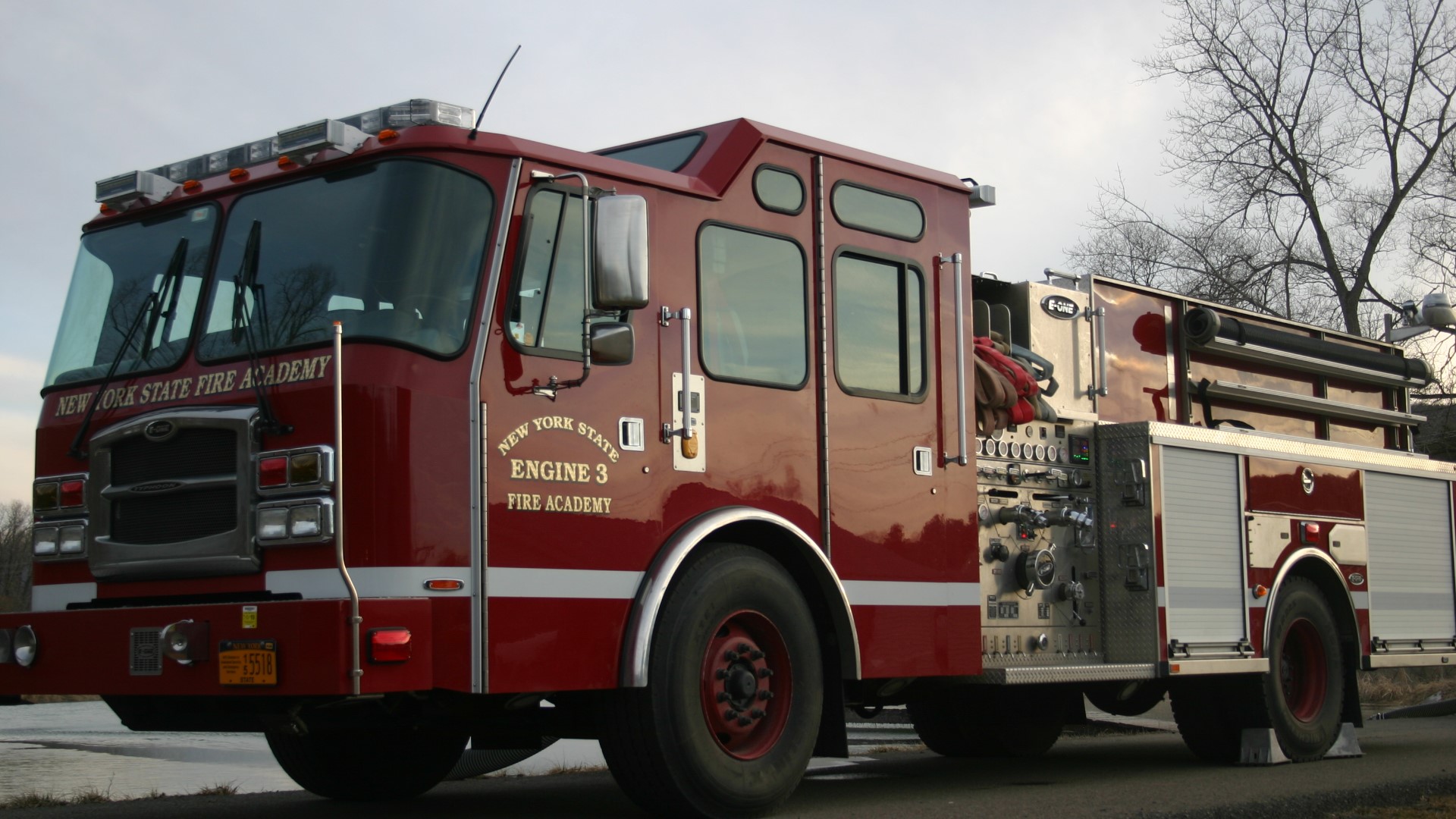
New York Office of Fire Prevention & Control - Fire Officer I
- Manager: Robert Johnson
- Teacher: Wayne Clarke
- Teacher: Michael Scotto
New York Office of Fire Prevention & Control - Fire Officer I
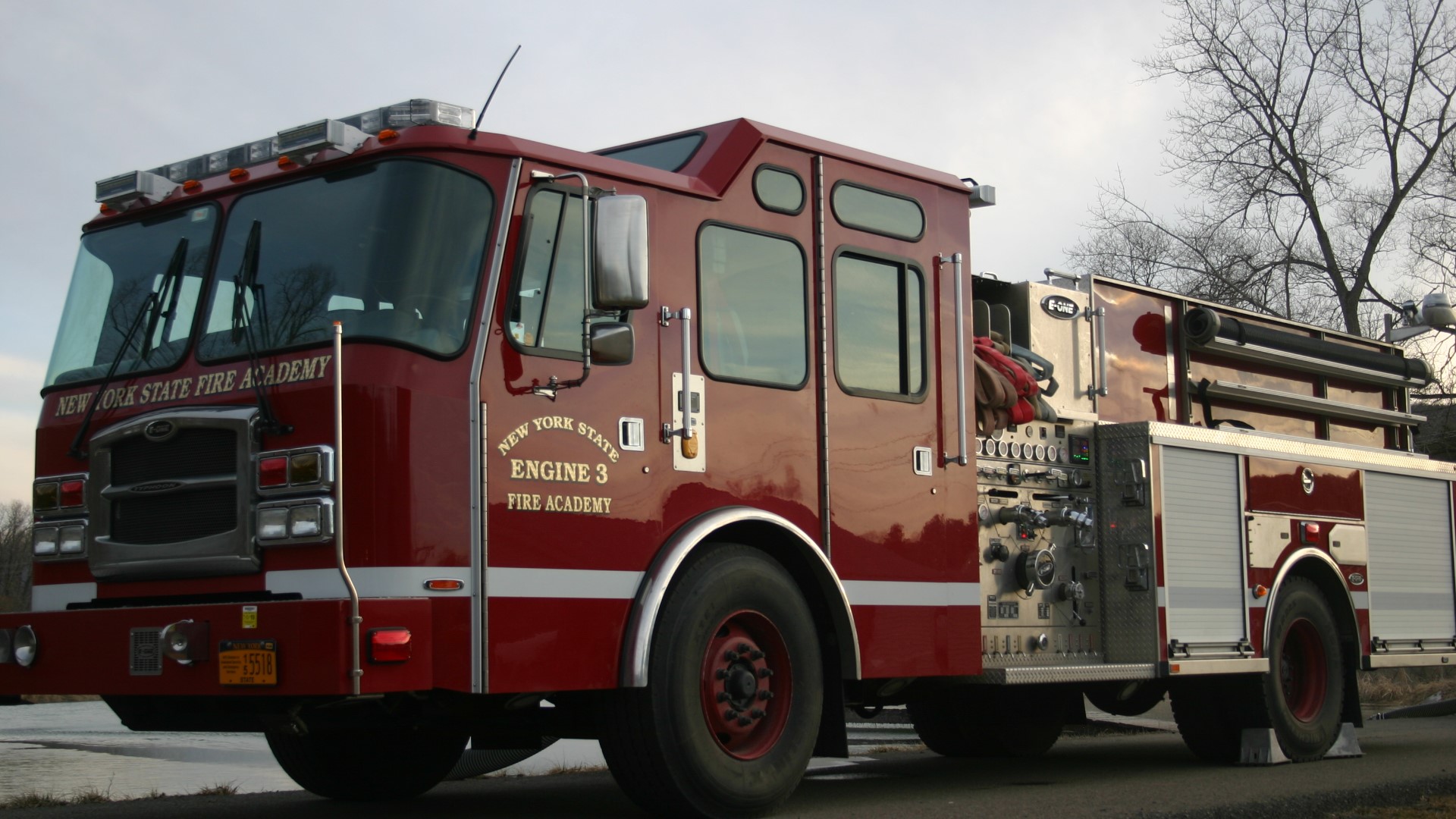
New York Office of Fire Prevention & Control - Fire Officer I
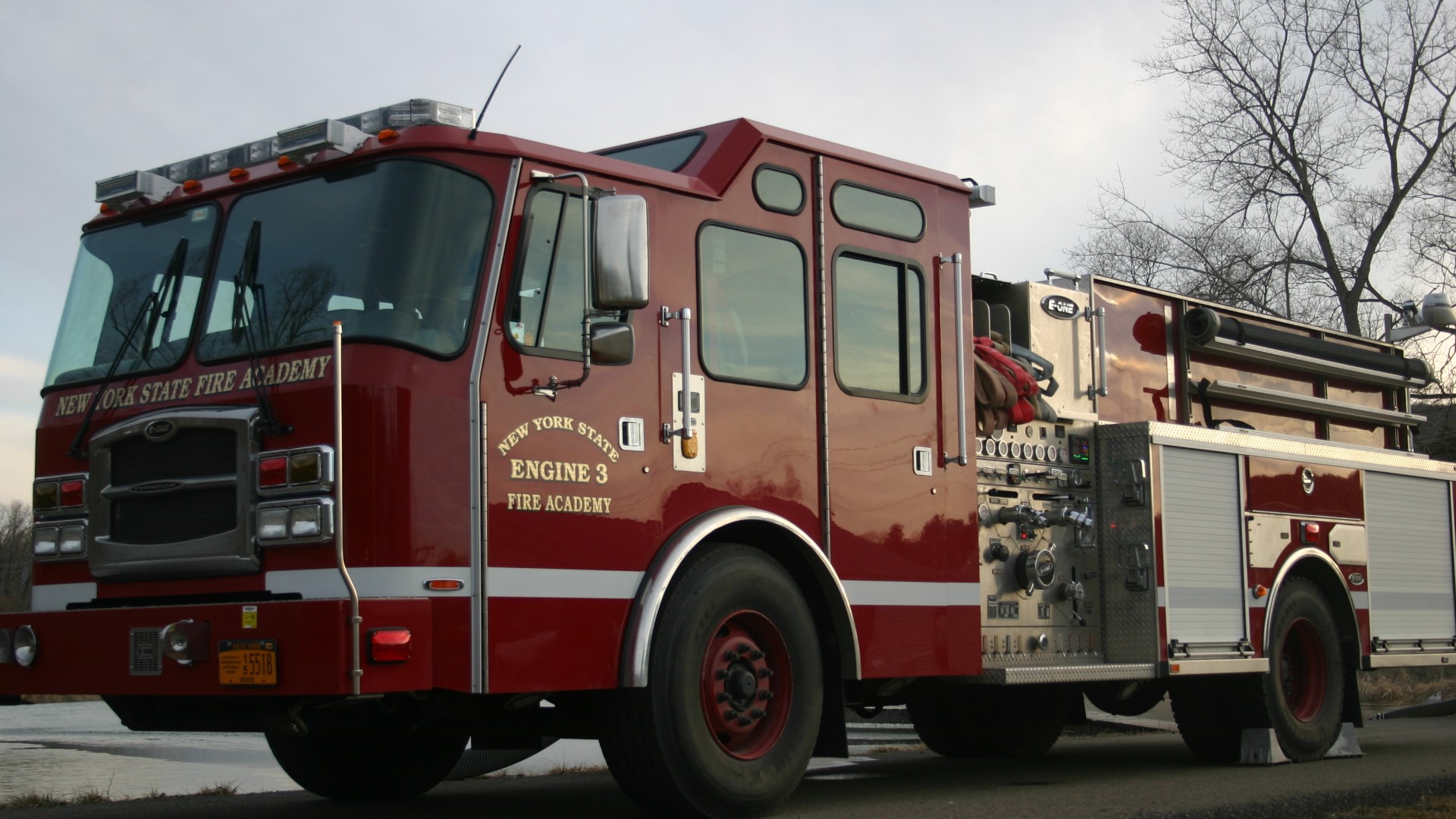
New York Office of Fire Prevention & Control - Fire Officer I
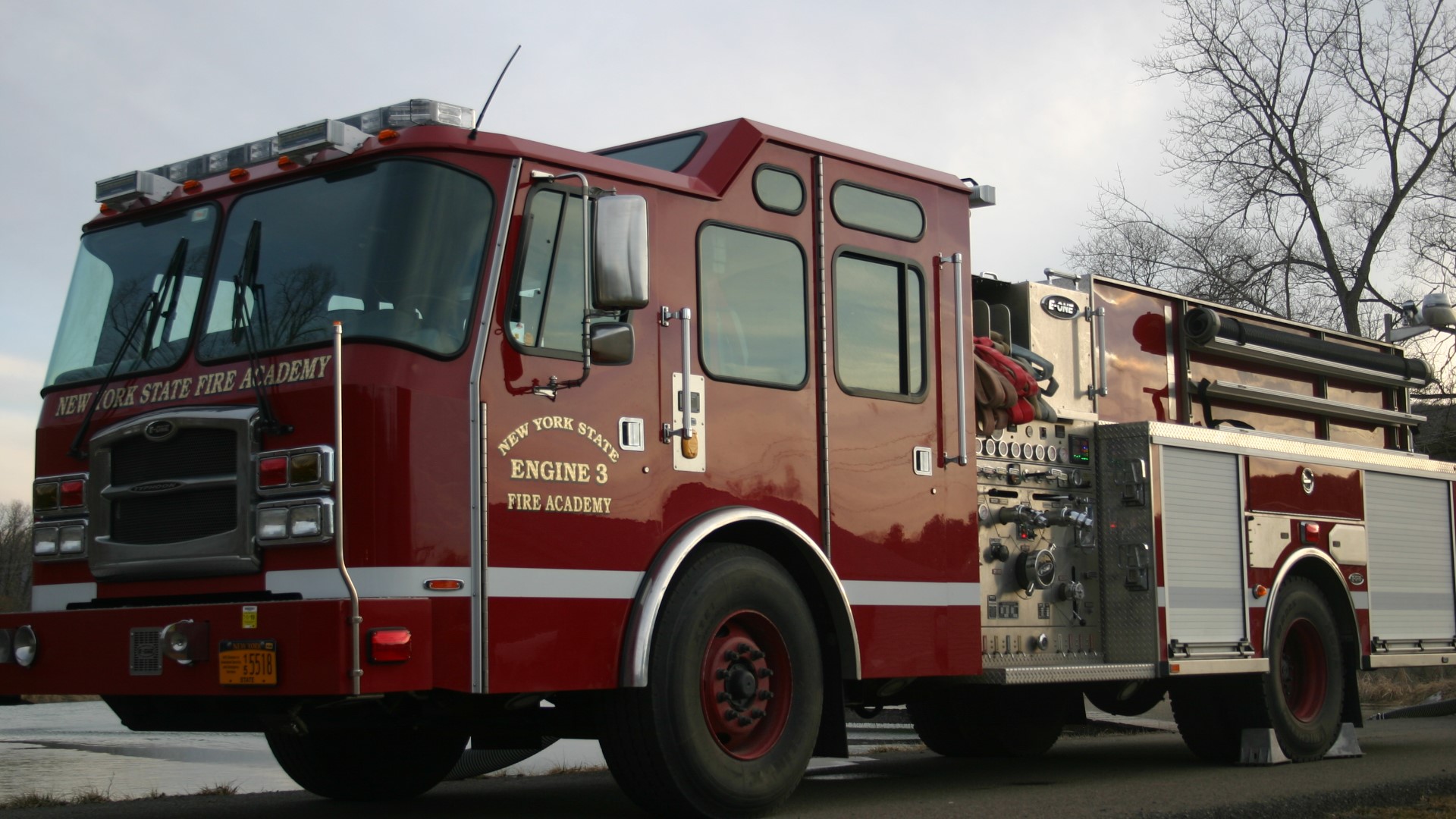
New York Office of Fire Prevention & Control - Fire Officer I
Fireground Strategies and Tactics for First Arriving Companies
Designed for the first arriving officer at any incident. The primary focus of this course is structural firefighting but the lessons learned are applicable for any emergency scene. Elements of this course include scene sizeup, decision making, determining incident strategies, and making tactical assignments. Also included are lessons on building construction, fire behavior and growth as well lessons for operating at common non-fire incidents such as motor vehicle accidents, propane and natural gas emergencies, and other typical non-fire emergencies. In addition to lecture and classroom activities this course utilizes scenarios to allow participants to employ their newly learned skills in real time.
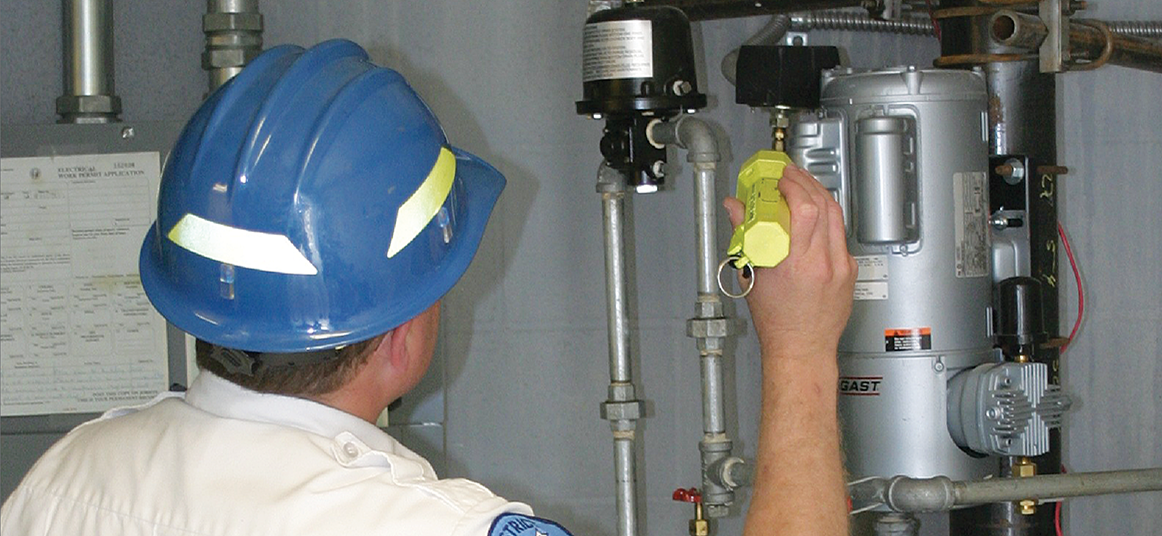
The Fire Inspector curriculum is designed to provide clear guidance that ensures adequate presentation of the information required to meet the Job Performance Requirements (JPRs) of the National Fire Protection Association (NFPA) 1031, Standard for Professional Qualifications for Fire Inspector and Plan Examiner, 2014 Edition. The Fire Inspector curriculum is chapter 4 of the Texas Commission on Fire Protection (TCFP) Curriculum Manual.
To qualify for the Fire Inspector certification, the Fire Inspector I and II curricula must be completed.
Reference List:
-Emergency Response Guidebook, (current edition). U.S. Department of Transportation
-Fire Inspection and Code Enforcement (8th ed.) (2016). Stillwater, OK: Fire Protection Publications. International Fire Service Training Association.
-Hazardous Materials for First Responders (5th Ed.) (2017). Stillwater, OK: Fire Protection. Publications. International Fire Service Training Association.
-Local Codes and Standards.
-NFPA 1031: Standard for Professional Qualifications for Fire Inspector and Plan Examiner (2014 ed.). Quincy, MA: National Fire Protection Association. NFPA Publications.
-NFPA 472: Standard for Competence of Responders to Hazardous Materials/Weapons of Mass Destruction Incidents (2013 ed.). Quincy, MA: National Fire Protection Association. NFPA Publications.
-Standards Manual for Fire Protection Personnel. Austin, TX: Texas Commission on Fire Protection.


This course is intended to get the Alamosa Airport Fire Rescue Crew the knowledge and training to pass the Colorado State Firefighter 1 testing and to serve the Alamosa Airport properly in time of emergency.
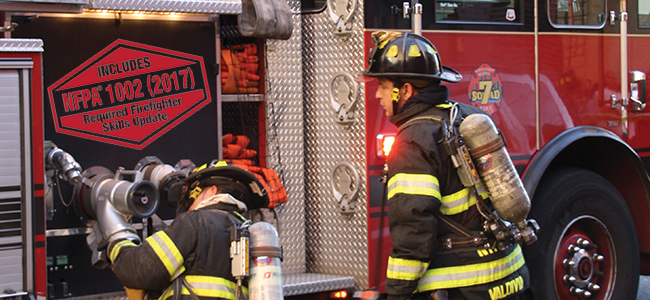
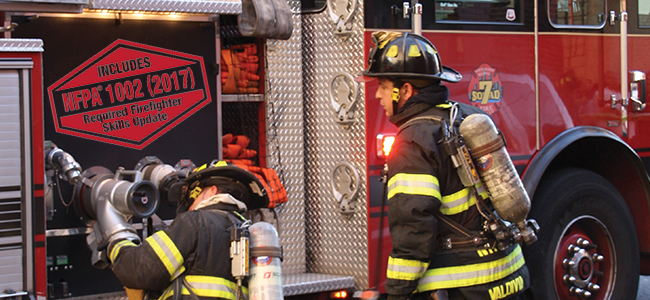

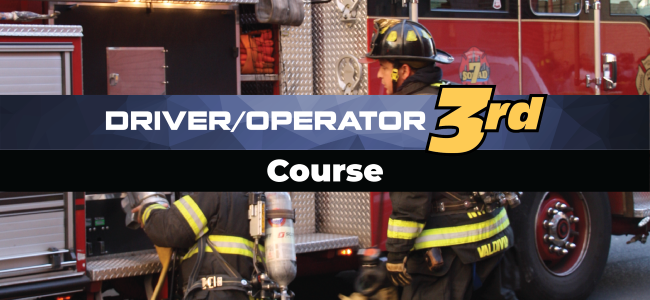
The curriculum for the class was developed for Indian River Shores Public Safety Department but meets and exceeds the standards for ATPC 1302 - Fire Apparatus Operations and is the second class of the two part series to test for Florida Pump Operator certification. The curriculum covers the laws, rules and driving techniques for emergency vehicles, as well as a review of fire service hydraulics. Fire ground evolutions and a driving course make up the practical part of the course. The evolution portion of the course includes the use of pre-connected lines, tandem pumping, drafting, relays and master streams. The student should have a basic understanding of fire stream hydraulics prior to entering this course. Students must bring gloves and proper attire for water pumping exercises.

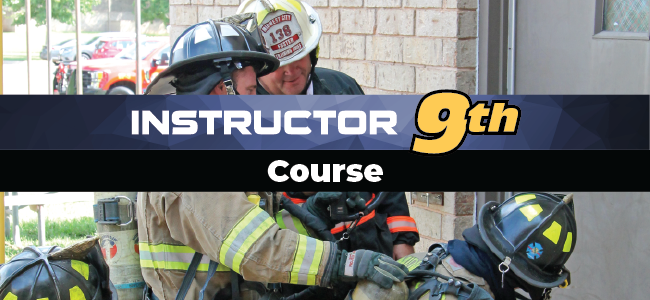


The Fire and Emergency Services Officer I course lays the foundation for the company
officer. The course meets and/or exceeds the job performance requirements for the
National Fire Protection Association (NFPA) 1021 and the Texas Commission on Fire
Protection. By obtaining this certification you will become a stronger leader on the fire
ground and in the fire station. The course highlights key points such as organizational skills,
diversity in the work place, fire ground safety and Incident Command System.