- Manager: James Klich
Category: Company Officer - 2018


COMPANY OFFICER (FFP2720)
New York Office of Fire Prevention & Control - Fire Officer I
New York Office of Fire Prevention & Control - Fire Officer I
New York Office of Fire Prevention & Control - Fire Officer I
New York Office of Fire Prevention & Control - Fire Officer I - Westchester County


Module 4 of the NYS Fire Officer 1 Series


New York Office of Fire Prevention & Control - Fire Officer I




This is the first course in the Fire Officer series, addressing the job performance requirements of
Supervisory Fire Officer as defined in NFPA 1021, Standard for Fire Officer Professional Qualifications. This
course includes topics such as the company officer’s duties and responsibilities, leadership and
supervision, human resources management, communications, administrative functions, and health and
safety issues. Also included in this course are topics including company level training, community
relations, pre-incident surveys, and the delivery of emergency services.













New York Office of Fire Prevention & Control - Fire Officer I


New York Office of Fire Prevention & Control - Fire Officer I

New York Office of Fire Prevention & Control - Fire Officer I

New York Office of Fire Prevention & Control - Fire Officer I

New York Office of Fire Prevention & Control - Fire Officer I

New York Office of Fire Prevention & Control - Fire Officer I


New York Office of Fire Prevention & Control - Fire Officer I

New York Office of Fire Prevention & Control - Fire Officer I

New York Office of Fire Prevention & Control - Fire Officer I

New York Office of Fire Prevention & Control - Fire Officer I

New York Office of Fire Prevention & Control - Fire Officer I

New York Office of Fire Prevention & Control - Fire Officer I


New York Office of Fire Prevention & Control - Fire Officer I

New York Office of Fire Prevention & Control - Fire Officer I

New York Office of Fire Prevention & Control - Fire Officer I

New York Office of Fire Prevention & Control - Fire Officer I
New York Office of Fire Prevention & Control - Fire Officer I

New York Office of Fire Prevention & Control - Fire Officer I

New York Office of Fire Prevention & Control - Fire Officer I

New York Office of Fire Prevention & Control - Fire Officer I


New York Office of Fire Prevention & Control - Fire Officer I

New York Office of Fire Prevention & Control - Fire Officer I


Module 5 of the NYS OFPC / NCFSA Fire Officer 1 Program
Each month there is material offered to complete to gain training hours towards annual training requirements. This online program will allow for four hours training for each successful completion of that modules TEST. A test grade of 70% is required to gain credit for the module. Students will have THREE attempts to obtain a 70% grade per module. Each module that has skill sheets attached can be printed out and completed by a minimum of two individuals for one hour credit per skill sheet. A training roster must accompany each skill sheet printed out and completed. Once a month is closed the tests will also be closed. Therefore you cannot return and complete previous months tests to gain credit after that month has ended.
HAZMAT= 8 HOURS
DRIVER/OPERATOR= 8 HOURS
COMPANY FIRE HOURS= 68 HOURS
OFFICER= 8 HOURS






This course will cover both national and Florida specific information relating to an Incident Safety Officer. Topics include: The Safety Officer’s Role; Safety Concepts; Regulations, Codes, Laws, Standards and Procedures; Designing an ISO System; Professional Development; Reading Buildings, Smoke, Risk, Hazardous Energy, and Firefighters; Triggers, Traps and Working within ICS; Basic Approach to ISO Duties; ISO at Structure Fires, Wildland Fires, Hazardous Materials Incidents and Technical Rescues; and Post Incident Responsibilities.


This course is designed for the first-line company officer/supervisor and satisfies the requirements of the National Fire Protection Association (NFPA) 1021 Standard for Fire Officer Professional Qualifications, Chapter four "Fire Officer I". This portion of the program has been designed to improve your abilities to manage a single fire company. This course will cover the following chapters of the Fire and Emergency Services Company Officer, 6th Edition Textbook:
The CFRC splits this program into two parts, the online portion which you are currently enrolled in, and the practical portion which is to be taken after the completion of the online program. Once both portions have been successfully completed, the student will be eligible to take the Pro-Board Certification exam and practical evaluation.
Students are reminded to thoroughly read through all relevant textbook materials and complete chapter questions before attempting chapter quizzes and tests. There are limited attempts for these quizzes and tests.
Feel free to post any questions about the program or its contents on the course questions forum, or contact your instructor directly.
This course opens on Tuesday, October 15th and covers chapters 1 through 11 in the IFSTA Fire and Emergency Services Company Officer, 6th Edition textbook. All chapter tests must be successfully completed with a 70 percent or higher grade before 10pm on Sunday, December 15th. Each participant has up to 2 chances on each test to achieve the 70 percent.
On Monday, December 16th, class participants will meet at 08:30 to begin work on the practical skills required of this course. The group will meet on December 16th, December 17th, and December 18th from 08:30 to 16:00. (Depending on practical skill work progress, class sessions may be shortened)

The Relief Driver/Operator Pumper Academy is designed to prepare firefighters to safely and effectively operate fire apparatus equipped with fire pumps during emergency and non-emergency operations. This academy provides a combination of classroom instruction, hands-on practical training, and performance-based evaluations that develop the knowledge, skills, and abilities necessary to function as a relief driver/operator within the City of Fountain Fire Department.
Students will receive instruction in apparatus inspection and maintenance, emergency vehicle operations, pump theory, hydraulics, water supply, drafting operations, relay pumping, standpipe and sprinkler systems, fireground water distribution, and pump panel troubleshooting. Emphasis is placed on safe apparatus operation, risk management, situational awareness, and efficient fireground decision-making.
The academy incorporates department-specific standard operating procedures, local response considerations, and task book requirements while aligning with nationally recognized driver/operator professional qualification standards and job performance requirements. Participants will complete practical evolutions involving hydrant operations, rural water supply, relay pumping, drafting, and fire attack support operations. Successful completion prepares members to serve as relief driver/operators on Fountain Fire Department pumping apparatus and pursue state certification where applicable.
Target Audience: Firefighters seeking qualification as a Relief Driver/Operator – Pumper.
The Relief Driver/Operator Aerial Academy prepares firefighters to safely operate and position aerial apparatus in support of emergency incidents and daily operations. Through classroom instruction, hands-on training, and competency-based evaluations, students develop the knowledge and practical skills necessary to function as a relief aerial operator within the City of Fountain Fire Department.
Course topics include aerial apparatus construction and components, emergency vehicle operations, aerial positioning, stabilization systems, ladder deployment, elevated master stream operations, aerial rescue considerations, preventive maintenance, operational limitations, and aerial safety. Students will gain experience operating the department's aerial apparatus in a variety of scenarios, including structural firefighting, rescue operations, elevated access, ventilation support, and master stream deployment.
Special emphasis is placed on apparatus placement, scene management, building construction considerations, communication between the operator and company officers, and safe operation around power lines, collapse zones, and other hazards. Training is conducted in accordance with department policies and nationally recognized driver/operator professional qualification standards. Successful completion prepares members to serve as relief aerial operators and perform aerial apparatus operations safely and effectively during emergency incidents.
NFPA 1001 Level 1 and NFPA 1001 Level 2 Blended Program
NFPA 1001 Level 1
NFPA 1001 Level 2
Friday sessions - 6:30pm - 9:00pm
Saturday and Sunday sessions - 8:00am - 5:00pm
All students will be required to attend all dates to be eligible to take the written exam and skills evaluations.
Prior to each training weekend, students will be required to complete the following Resource One online assignments:
Resource One assignments will be tracked by the lead instructor and Training Officer.


Indiana Fire District 8
Instructor II
Fall 2024
Lead Instructor: David Calvin Instructor: Ryan Fipps
Lead Evaluator: Tim Deckard Evaluator: Nick Kelp
Proctor: Jon Ramsey
Course Prerequisites: Instructor I and at least 20 hours of instructional or evaluation hours. In addition to the previous requirements, each student is expected to read text materials prior to the beginning of each class meeting as a quiz is always a possibility with a score at or above 70% will be expected.
Goal: The goal of this class is to provide Instructor II candidates with the knowledge and practical skills needed to obtain the State of Indiana Instructor II certification.
Objectives: Objectives are printed on the first page of each chapter within the IFSTA Fire and Emergency Services Instructor, 9th edition manual. Knowledge of each objective is the key component of obtaining information and competency to help in passing the State of Indiana Instructor II written and practical's.
Required Text: The required text for the course is IFSTA’s Fire and Emergency Services Instructor, 9th edition. While not required, the IFSTA’s Fire and Emergency Services
Instructor Study Guide is a valuable tool to help prepare for each lesson in the course and for the certification exam. Study guide is available in electronic copy.
Course Description & Purpose: After completing the course the student will have met the sections required for Fire Instructor II in the National Fire Protection Association® (NFPA®) 1041, 2018 edition, professional qualifications standard. Students who successfully complete the certification process including demonstration of all practical skills and achieving a written examination score of 70% or more will be certified as Instructor II by the Board of Firefighting Personnel Standards and Education.
Course Length: 48 hours recommended: 30 hours classroom, 8 hours practical demonstration, 7 hours practical skills evaluation, and 3 hours for final state written exam.
Preparation for Skill Sessions: Instructor II candidates are expected to come to each classroom well prepared. Reading of course material is essential in the success of this course.
Assignments: There will be assigned reading from the course online handbook each class period. You are expected to read class material PRIOR to the next class and possibly quizzed on material.
Quizzes: Quizzes will use multiple-choice, true-false, short answer, and essay questions, and possibly case studies. Occasionally quizzes are developed by the instructor for the class and geared towards helping student knowledge of class and practical material.
Written Exam: The State of Indiana exams are multiple-choice and a limited number of true-false questions. Occasionally there will be review sessions offered to help in preparation for the exam.
The teaching and learning processes during this course include lecture and discussion, practical skill sessions, and scenarios. Both in and out of classroom experiences are used to further enhance instructor experience. This course is based on a community-learning environment, where everyone participates and takes responsibility for the success of both individuals and the class as a whole.
Class participants shall complete the following presentations, quizzes and practice exams from the IFSTA Resource One website by the end of the week posted below.
Class Time: Wednesday(s) 1830-2200 hours and/or Saturdays 0830-1700 hours.
Date | Chapter | Chapter Title | Text Reference | Skill Sheets |
August 14 (Wednesday) | Class orientation and Resource One refresher | |||
11 | Lesson Plan Development | pp. 213-245 | 11-1 to 11-11 | |
August 24 (Saturday) | DUE Skills 11-1 thru 11-6 | |||
15 | Instructor & Class Evaluations | pp. 319-328 | 15-1 and 15-2 | |
12 | Training Evolution Supervision | pp. 247-261 | 12-1 | |
September 7 (Saturday) | DUE Skills 11-7 thru 11-11, and 15-1 | |||
Record | Present skill 11-11 and complete skill 15-1 | |||
13 | Test Item Construction | pp. 263-289 | 13-1 to 13-2 | |
September 21 (Saturday) | DUE Skills 13-1, 13-2 and 15-2 | |||
14 | Supervisory & Administrative Duties | pp. 291-318 | 14-1 to 14-3 | |
Prep for increased hazard exposure training | ||||
October 5 (Saturday) | DUE Skill 12-1 | |||
Increased hazard exposure training | ||||
DUE Skills 14-1 thru 14-3 presentations and findings | ||||
October 9 (Wednesday) | State Practical Exam and course/instructor evaluations | |||
Demarcation of Training vs Testing for the Skills Portfolio: The entity shall demonstrate that credit is not given for skills accomplished during training, class work, or other means outside the testing mode. Testing can be accomplished during the same time period as training if there is a distinct line between the training mode and the testing mode of that time period.
Code of Ethics: The personal code of ethics is a public statement by fire service educators and instructors that establishes clear expectations and principles to guide practice and inspire professional excellence. It is the belief of fire service instructors that commonly held set of moral principles and values can assist in the individual exercise of professional judgement.
Those moral principles and values are the core values of the teaching profession as well as the fire service. The individual instructor should integrate these values into the professional and private lives to ensure the equity of their actions and decisions.
Skills: There are 19 skill sheets in the course. The skill applications are designed to apply the concepts and skills in chapters 11-15. The skill applications may be stations where an instructor provides coaching and demonstration, and an individual skill is performed. The skill applications are described below.
Skill Sheet 11-1: Create a lesson plan.
Skill Sheet 11-2: Write a learning objective.
Skill Sheet 11-3: Create a lesson outline.
Skill Sheet 11-4: Create an information sheet (handout).
Skill Sheet 11-5: Create a skill sheet.
Skill Sheet 11-6: Create a worksheet.
Skill Sheet 11-7: Create a study sheet.
Skill Sheet 11-8: Create an assignment sheet.
Skill Sheet 11-9: Create a lesson plan evaluation.
Skill Sheet 11-10: Evaluate and revise a prepared lesson plan.
Skill Sheet 11-11: Conduct a class using a lesson plan created by the Level II Instructor candidate.
Skill Sheet 12-1: Supervise multiple instructors and candidates during an increased hazard exposure training.
Skill Sheet 13-1: Develop test items.
Skill Sheet 13-2: Develop a performance skills evaluation.
Skill Sheet 14-1: Select resources, staff and facilities for specific instructional sessions.
Skill Sheet 14-2: Perform a needs analysis for training resources
Skill Sheet 14-3: Maintain and secure accurate training records so that all agency and legal requirements are met.
Skill Sheet 15-1: Administer a Level I instructor performance evaluation
Skill Sheet 15-2: Develop class evaluation forms.
Practical Skills Competency Profile
Instructor II Topics for Presentation: The instructor II candidates will choose a topic related to fire department training for its crew and officers. It is important to avoid having presentations of the same topics presented in the same course. Your training topic might be part of a progression such as small engines, ladders that leads to ventilation training. Your topic will be one part of that sequential training should you choose. Remember there is a 15-minute classroom presentation with a skill demonstration and evaluation.
Have at least a couple ideas for the first evening of the class. We will take time to discuss and decide on topics that evening. If we have topics that could be part of a sequential training, we will get together in small groups for 15 minutes to discuss ideas. Realize, you have to complete your own work.
As a Fire Service Instructor, you shall:
• Place safety and learning of the student above all other concerns.
• Nurture the intellectual, physical, emotional, social, and civic potential of each student.
• Create support, and maintain a challenging learning environment for all students.
• Apply your professional knowledge and skills to promote student learning at all times.
• Establish and maintain a clear set of standards for behavior and civility within the learning environment.
• Be a positive role model by displaying those habits of mind and work necessary to develop and apply knowledge while simultaneously displaying a courtesy and enthusiasm for learning.
• Strive to affirm the importance and the honor of the profession.
• Conduct both personal and official business in a manner that will inspire confidence and respect of others.
• Never be disrespectful of others in public and private.
• Be committed to your own learning and professional growth in order to further develop in the teaching profession and the fire service.
• Collaborate with colleagues and other professionals in the interest of student learning.
• Recognize cultural and linguistic heritage, gender, family, community, ethnicity, and race and their influences on experience and learning.
• Make decisions and take all actions based on the moral and ethical values of this state and this organization.

Welcome,
I'm Kody Macon, your lead instructor for the District 9 Fire Officer Strategies and Tactics (FOST) course taught at the Highlander Fire Protection District Headquarters. When you arrive at the fire house park in the rear and come in the doors by that parking lot. You are only required to attend 1 day each week, there is no certain order each week as the class will be the same all 3 days. This is your first adventure into the rewarding world of formal leadership whether you are wanting to be a chauffeur, sergeant, company officer, or chief officer this is your foundation. Our instructors, evaluators, and proctor have been chosen selectively for your greatest success and from seasoned firefighters, and officers. Do not hesitate to reach out to any of us and network with those in class and your instructors.
Thanks,
Kody Macon, MA, BSc.
Lead Instructor
Highlander Fire Protection District
Office: (812) 923-8003
Cell: (812) 701-4036
Email: kmacon@ltvfd.org
Here is the google drive for you to upload Task book assignments.
https://drive.google.com/drive/folders/1y6UVB3vT_usFRHdaXT17nrCyvcl693kZ?usp=drive_link
About this event
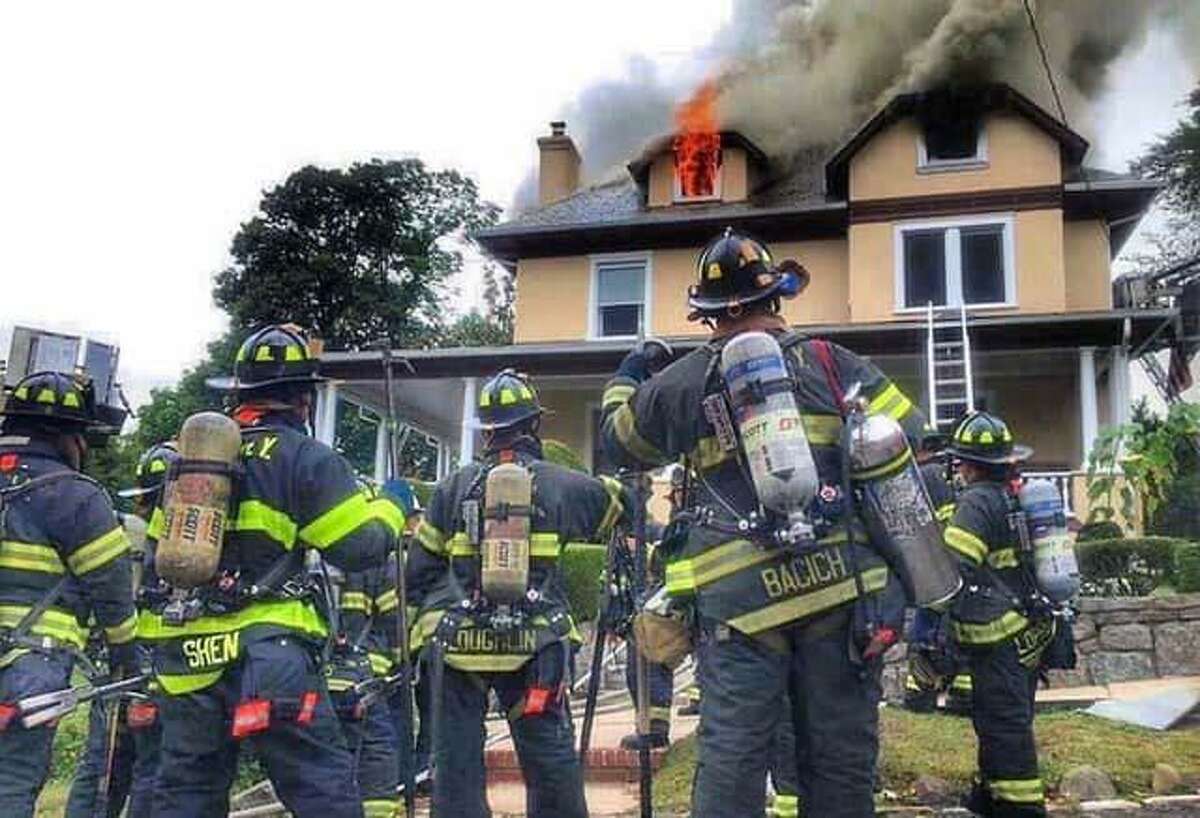
This is a hybrid NFPA Fire Officer 1 course presented by DPSST. Once students have sent Ryan Frizzell at Ryan.frizzell@dpsst.oregon.gov their email he will enroll you into this course through Resource One. Students will complete all modules with quizzes and tests. Prior to the in-person portion of the course, students must have 80% or higher on all tests and quizzes and complete all course work. The 2 days in person class will be full of activities and review of course materials. This course offers the building blocks of leadership and personnel management in the fire service. This class is best for people that are currently in a leadership role or will soon be in a leadership role.
· For questions or more information please contact:
· Ryan Frizzell
· Fire Training Coordinator
· (971) 433-7904


Fern Creek Fire & EMT Recruit Class 25-01
|
Instructors |
Office location & hours |
|
FCFD Staff Fire Commission Staff Various Instructors |
Station 71, Fire Training Facility Offsite training TBA 0700-1500 Monday thru Friday |
This course is designed to prepare Fire/EMT students with basic Firefighter I & II skills to perform at a competent level under the general direction of instructors and fire company commanders. This course will also have certifications for IFSAC Firefighter I & II, and Hazardous Materials Technicians. The curriculum will follow the “AAOS Emergency Care & Transportation if the Sick & Injured, 12th edition, “Essentials of Firefighting 8”, “Kentucky Fire Commission IFSAC Skills Firefighter I & II and Hazardous Materials Awareness and Operations”
Understand the roles and responsibilities of an Emergency Medical Technician and a Firefighter.
Become proficient as an Emergency Medical Technician and a Firefighter.
Obtain National Registry and State Emergency Medical Certifications.
Obtain certifications in IFSAC Firefighter I & II and Hazardous Materials Awareness and Operations.
Obtain certifications as Hazardous Materials Technician.
Special Operations Awareness.
Fern Creek Fire and EMS will provide and use the following curriculum “AAOS Emergency Care & Transportation if the Sick & Injured, 12th edition, “Essentials of Firefighting 8”, “Kentucky Fire Commission IFSAC Skills Firefighter I & II and Hazardous Materials Awareness and Operations”
May be provided by specialty instructors.
Emergency Medical Technician written exams and practical skills.
Firefighter chapter testing, knowledge, skills, and abilities, IFSAC skills
Practical skills assessments.
IFSAC testing conducted by the Kentucky Fire Commission Staff.
Introduction to the Fire Service & Firefighter Safety: After completing this lesson, the student shall be able to identify the mission of the fire service, describe how fire departments are organized, and understand various regulations that apply to firefighters; describe fire department SOPs, rules, and regulations that affect a Fire fighter ; explain ways that fire departments may interact with other organizations and agencies; explain the roles and duties of a Firefighters; describe fire and life safety initiatives aimed at reducing firefighter illnesses, injuries, and fatalities; describe the aspects of NFPA 1500 related to firefighter safety and health; summarize general guidelines for operating safely at structural fire scenes; summarize safe practices for riding in fire service vehicles and apparatus.
Communications: After completing this lesson, the student shall be able to describe the different types of communication that occur in the fire department; explain the procedures for receiving non-emergency calls; describe the types of communications systems and equipment used to receive and process emergency calls; explain the procedures for receiving and dispatching emergency calls; describe radio equipment and procedures used for internal fire department communications; handle emergency and non-emergency phone calls; use a portable radio for routine and emergency traffic.
Building Construction: After completing this lesson, the student shall be able to understand how building construction features and materials will contribute to fire spread as well as how heat affects structural components and materials; differentiate among types of building construction; describe the construction of floors, ceilings, and walls; explain how basements and stairs may impact firefighting operations; describe the construction and operation methods of different types of doors; describe the construction and operation methods of different types of windows.
Building Materials, Structural Collapse & Effects of Fire Suppression: After completing this lesson, the student shall be able to identify the effects of fire on building materials, describe structural collapse considerations, and explain the effects of fire suppression activities on building materials; explain considerations to be taken when establishing collapse zones; describe actions that should be taken when structural collapse is imminent; describe building conditions and fire suppression activities that can impact fire spread and structural stability.
Fire Dynamics: After completing this lesson, the student shall be able to explain the basic principles of fire science, describe the stages of fire development, and the reaction of building construction to fire; describe how thermal energy impacts fire behavior; explain the function of fuel within the combustion process; explain the function of oxygen within the combustion process; explain the self-sustained chemical reaction involved in flaming combustion.
Firefighter Personal Protective Equipment: After completing this lesson, the student shall be able to distinguish between types of personal protective clothing and equipment and explain how to safely use various types of protective clothing and equipment; describe the inspection, cleaning, and maintenance of PPE; describe conditions that require the use of respiratory protection equipment; identify SCBA components; describe the procedures for donning and doffing SCBA; describe methods of refilling, replacing, and storing SCBA cylinders; describe safety considerations for working in and exiting a hazardous atmosphere while wearing SCBA. Practical: Introduction to gear: coats, pants, helmet, gloves, hood, self-contained breathing apparatus (SCBA). Work with gear on; crawling, climbing, breathing on SCBA with mask, in non-air-conditioned areas. Gear weight is approximately 40-50 lbs.
Extinguishers: After completing this lesson, the student shall be able to recognize different classifications and types of portable fire extinguishers and select the appropriate fire extinguisher for the situation at hand.
Ropes & Knots: After completing this lesson, the student shall be able to describe various uses for life safety and utility rope and differentiate between types of knots. The student shall also be able to describe the procedures for cleaning, inspecting, and maintaining rope; identify types of knots; describe the procedure for hoisting various tools and equipment; explain how ropes and knots are used during rescues and in other emergencies.
Ground Ladders: After completing this lesson, the student shall be able to identify types of ladders and the parts of a ladder. They shall also describe safe practices for using, carrying, and placing a ground ladder. Students shall be able to describe methods for raising and lowering a ladder, working from a ladder, and assisting victims down a ladder; describe the process of cleaning, inspecting, and maintaining a ladder. Practical: Lifting, carrying, raising, and climbing ladders as a team. Outdoor activity. Ladders of different weights and sizes. 100’ climb of aerial apparatus.
Forcible Entry: After completing this lesson, the student shall be able to recognize different types of forcible entry tools and describe methods for forcing entry through doors, windows, and walls; explain considerations for forcible entry tool safety; explain how to carry forcible entry tools; describe how to clean and maintain forcible entry tools. Practical: Tools used for forcing a door. Prying and swinging forcible entry type tools.
Ventilation: After completing this lesson, the student shall be able to describe the purpose of ventilation and explain the process for ventilating flat or pitched roofs; describe safety considerations related to tactical ventilation; describe ventilation tools and equipment; describe considerations related to the ventilation of basements and other special compartments. Practical: Use a chainsaw to cut plywood on a roof simulator. Carrying or lifting a chainsaw to the roof of a three-story building. Climbing ladders.
Fire Hose: After completing this lesson, the student shall be able to describe the characteristics of hoses, and understand how to inspect, care for, and maintain fire hose. They should also be able to differentiate between different types of hose rolls and loads. Practical: Lifting, draining, rolling, and carrying of fire hose.
Hose Operations & Hose Streams: After completing this lesson, the student shall be able to describe water supply, methods used to deploy hose, and methods used to advance hose. Students shall also be able to explain how to operate types of hose lines, nozzles, and master stream devices. Practical: Flow water with hose lines as a team and individually.
Maintenance & Testing Responsibilities (with Forcible Entry & Fire Hose): After completing this lesson, the student shall be able to describe procedures for maintaining equipment and service testing fire hose. Practical: Lifting, moving, and carrying light generator and light stand. Rolling and carrying hose.
Structural Search & Rescue: After completing this lesson, the student shall be able to explain practices for firefighter survival during interior operations and describe search and rescue operations. Students shall also be able to describe MAYDAY protocols, evacuation, and rapid intervention operations; describe air-monitoring operations; describe rapid intervention crew equipment and duties. Practical: Crawling with 45 lbs. of gear on. Outdoor and inside (air-conditioned area) activity. Dragging of up to 200 lbs. with teammate and as an individual. Carrying and lifting manikins in gear. Gear on for all activities.
Fire Suppression: After completing this lesson, the student shall be able to explain fire suppression methods for structure fires, vehicle fires, exterior fires, and ground cover fires; Explain the science behind fire suppression; Explain the role of firefighters in supporting fire protection systems during fire suppression; Explain the duties of firefighters related to building utilities. Practical: Full gear with SCBA. Advance hose lines flowing water. Extinguish vehicle fires.
Overhaul, Property Conservation & Scene Preservation: After completing this lesson, the student shall be able to describe firefighters’ roles during overhaul, salvage, and scene preservation; Describe the duties that firefighters must perform to protect and preserve a fire scene. Practical: Lifting and folding tarps, removal of drywall with tool overhead in gear.
Technical Rescue Support & Vehicle Extrication Operations: After completing this lesson, the student shall be able to describe different types of rescue situations, the hazards involved in those situations, and the firefighter’s responsibility in vehicle extrication and rescue incidents; identify tools used at technical rescues; identify vehicle construction methods and components; describe vehicle stabilization operations; describe techniques used to access victims at a vehicle extrication incident. Practical: Outdoor activity. Full gear. Lifting a tool up to 60 lbs. Working with tools to open and remove parts of cars.
Foam Fire Fighting, Liquid Fires & Gas Fires: After completing this lesson, the student shall be able to describe firefighting foam production and operations. They will also be able to describe operations involving liquid and gas fuel fires.
Incident Scene Operations: After completing this lesson, the student shall be able to describe the process for initiating incident operations and transferring Command. Students will also be able to explain how unit operations are coordinated and how post-incident reports are used.
Fire Origin & Cause Determination: After completing this lesson, the student shall be able to describe the roles and responsibilities of firefighters and fire investigators regarding fire origin and cause determination, and evidence preservation.
Fire Prevention/Community Risk Reduction: After completing this lesson, the student shall be able to explain the importance of fire and life safety programs, fire and life safety surveys, fire and life safety presentations, and pre-incident planning.
Electrical Emergencies: Class on electrical hazards associated with dealing with high voltage wires and how to deal with emergencies associated with the first responder.
Wildland & Ground Fires: After students complete this chapter and the related course work, they will know the various methods of combating wildland fires, as well as the tools and personal protective equipment (PPE) needed to safely operate at the scene of such incidents. They will learn how to suppress a ground fire and deploy a fire shelter.
Fire Suppression & Auto Fires (Fire Control): After students complete this chapter and the related course work, they will be able to distinguish between offensive and defensive strategies, and they will understand the special considerations for fires in large buildings, basements, concealed spaces, above ground level, lumberyards, energized equipment, and flammable gases and liquids. Students will also have the skills to operate hose lines; use fire streams; conduct indirect, direct, and combination fire attacks, operate master stream devices; and extinguish vehicle fires.
NFPA states that vehicle fires are one of the most common fires in the United States. With the advent of airbags, side impact protection, hybrids, and other alternative fueled vehicles, these “common” fires have become anything but routine. Fire recruits learn both basic and advanced skills to mitigate these common, yet highly hazardous and potentially deadly events. Skills such as forcible entry, hose and nozzle streams, and fire control are reinforced while students learn to safely extinguish a passenger vehicle fire emergency using live fire training.
E.M.S.: emergency medical care performance capabilities to include infection control, CPR, bleeding control, and shock management.
Report Writing: Focuses on proper reports for state and local levels. Also helps students learn how to be more effective in relaying information using the pen and their thoughts.
Emergency Control of Natural Gas/Natural Gas burn: Studies the hazards of natural gas, explosive ranges, and properties of same. Also explores the dos and don’ts of dealing with natural gas. Focuses on firefighting duties of first-in engine company to a scene. Consists of classrooms and of natural gas live fire training.
Flammable Liquids & Foam: This class deals with the chemistry of foam for fire suppression. Topics include concentrated foams, mixing, eductors, limitations, understanding fog nozzles, aspirating nozzles, and foam tubes. Includes hands-on live fire training field exercise.
Liquified Propane Gas: Focuses on useful handling of hazardous materials incidents involving flammable gases. Students will learn about tank construction, the properties of liquid propane gas, proper tactics for dealing with liquid propane gas, and will receive live fire training with liquid propane gas on site. Consists of live fire training.
Hazardous Materials Awareness & Operations: Recognition and identification of hazardous materials, labeling, placarding, scene control, and use of D.O.T. Response book.
High Rise: Covers construction, fireground management, tactical considerations, elevators, life safety, ventilation, and water supply.
Structure burns: Live fire training evolutions. Class incorporates all skills taught for firefighting: suppression, safety, rescue, ICS, hose handling, PPV, water supply, etc. All hands-on live fire training. Full gear with SCBA. Extinguish fires in the burn building. Climbing ladders, moving hose lines, flowing water, crawling, and building searches.
Fire Detection, Protection & Suppression Systems: After students complete this chapter and the related course work, they will be able to describe the components and functions of a fire alarm and the basic types of fire alarm initiation devices. Students will also be able to identify various sprinkler heads and indicating valves. They will also be able to describe and identify automatic sprinkler systems, standpipe systems, and specialized extinguishing systems.
Fire Ground Survival: The purpose of the Fire Ground Survival program is to ensure that training for Mayday prevention operations is consistent between all firefighters, company officers, and chief officers. Firefighters must be trained to perform potentially life-saving actions if they become lost, disoriented, injured, low on air, or trapped. These training exercises must be consistent throughout the fire service. Practical: Crawling, climbing, and searching through the building.
Incident Command System: This class combines command strategy with organizational procedures and is designed to be used for structural firefighting incidents and other related emergency incidents. It is also used for other types of emergency incidents.
NIMS: National Incident Management System class: ICS 100, 200 & 700. This is a self-study requirement.
Commonly used Acronyms in EMS/Fire Operations:
BLS- Basic Life Support
ALS- Advanced Life Support
CPR- Cardiopulmonary Resuscitation
AED- Automatic External Defibrillator
BVM- Bag Valve Mask
MCI- Mass Casualty Incident
IFSTA- International Fire Service Training Association
IFSAC- International Fire Service Accreditation Congress
SFRT- State Fire Rescue Training
ICS- Incident Command System
PAR- Personal Accountability Report
PPV- Positive Pressure Ventilation
LDH- Large Diameter Hose
TIC- Thermal Imaging Camera
IDLH- Immediately Dangerous to Life or Health
PPM- Parts Per Million
NIMS- National Incident Management System
PPE- Personal Protective Equipment
SCBA- Self-Contained Breathing Apparatus
RIT- Rapid Intervention Team
MVA- Motor Vehicle Accident
EMT Classes will be held every Monday, Wednesday, and Fridays from February 3 thru April 7, 2025, 0800-1400
|
Week
|
Topic |
Reference |
Study Materials |
|
Week 1 January 27-31 |
Administration & Organization, CPR, Gear & Fit testing, Fire Chapter 1 & 2, NIMS 100, Family evening Tuesday at 1900 |
FCFD Resources, AHA, FEMA, IFSTA FF I |
New Employee Package American Heart Association, FEMA, IFSTA Essentials FF I book |
|
Week 2 February 3-7 |
EMT |
AAOS Manual, IFSTA FF I |
EMT Chapters 1-6, Fire Chapter 3 |
|
Week 3 February 10-14 |
EMT. Intro to Fire Service/Safety, Gear & SCBA fitting, NIMS 200 |
AAOS Manual, IFSTA FF I, FCFD Resources, FEMA |
EMT Chapters 7-9, FEMA
|
|
Week 4 February 17-21 |
EMT, Gear/SCBA donning |
AAOS, FCFD Resources |
EMT Chapters 10-11 Fire Chapter 2 |
|
Week 5 February 24-28 |
EMT, Communications, Ride Time, Ladders |
AAOS Manual, IFSTA FF I |
EMT Chapters 12-17 Fire Chapter 3 |
|
Week 6 March 3-7 |
EMT, Ride time, Ladders, Small tools |
AAOS Manual, FCFD Resources |
EMT Chapters 18-24 Ladder skills |
|
Week 7 March 10-14 |
EMT, Ride time,
|
AAOS Manual |
EMT Chapters 24-28
|
|
Week 8 March 17-21 |
EMT, PPE Skills, Building Construction, NIMS 700 |
AAOS Manual, IFSTA FF I, FEMA |
EMT Chapters 29-33 Fire Chapter 4, FEMA |
|
Week 9 March 24-28 |
EMT, Fire Dynamics, PPE/SCBA, NIMS 800 |
AAOS Manual, IFSTA FF I, FEMA |
EMT Chapters 34-36 Fire Chapter 5, FEMA |
|
Week 10 March 31- Apr 4 |
EMT Skills, Ladders |
AAOS Manual |
EMT Chapters 37-41 Fire Chapter 6 |
|
Week 11 April 7-11 |
EMT Finals, Ladders, Forcible Entry, Search & Rescue Ventilation, RIT, MAYDAY, Live fire view |
AAOS Manual, EMT Final Exam & Practical’s, IFSTA FF I |
Fire Chapters 9, 10, 11 & 12 RIT PAK, SOP’s |
|
Week 12 April 14-18 |
Water Supply, Hose, Nozzles, and Appliances, Hose, Ladder, SCBA, IFSAC Skills |
IFSTA, FCFD Resources |
IFSAC Skill sheets Fire Chapter 13 |
|
Week 13 April 21-25 |
Gear/Uniform Fitting, Fire Suppression, Reading Smoke, Overhaul/Property Conservation |
PPE Manufacturer, IFSTA FF I, FCFD Resources |
Fire Chapters 14 & 15 |
|
Week 14 April 28- May 2 |
Extinguishers/Burns, Ropes & Knots |
IFSTA FF I & II, FCFD Resources, SFRT props |
Essentials FF II book FF II Chapters 1 & FF I Chapter 7 IFSAC Skill Sheets, Burn Props |
|
Week 15 May 5-9 |
Building Materials, Collapse, Tech Rescue Support, ICS & NIMS |
Essentials FF II, FCFD Resources |
Essentials FF II Fire Chapter 2 & 3, ICS & NIMS, IFSAC skill sheets |
|
Week 16 May 12-16 |
KY FF Rescue Couse/Skills Survival Course/Skills, KY Flashover Course/Skills, KY Wildland FF Course |
Fire Commission, FCFD Resources, IFSAC Skill Sheets |
NFPA 1403, IFSAC skill sheets, Fire Commission materials |
|
Week 17 May 19-23 |
Foam, Liquid/Gas Fires, S&R, Removal, E/T OPS, Live burns |
FCFD Resources |
Fire Chapter 4, IFSAC skill sheets, Training facility |
|
Week 18 5/26 Holiday May 27-30 |
IFSAC Skills, Engine/Truck OPS, Live burns |
FCFD Resources |
IFSAC skill sheets, Training facility |
|
Week 19 June 2-6 |
Extinguishers, Fire Origin, Fire Suppression & Alarm Systems |
IFSTA FF II, LFD Arson |
Fire Chapter 5 & 6 IFSAC skill sheets |
|
Week 20 June 9-13 |
Auto Extrication, Air Bags, Cribbing, Rescue Jacks, Auto Fires, Live burns |
FCFD Resources |
IFSAC Skill sheets |
|
Week 21 June 16-20 June 19 Holiday |
MetroSafe Communications, Disaster & Emergency Management, Hazardous Materials Awareness & Operations, Air Monitoring, IFSAC skills, Live burns |
MetroSafe staff, Metro EMA, DOT Guide Book, |
DOT Guidebook, MultiRAE meters HazMat unit |
|
Week 22 June 23-27 |
Hazardous Materials Technician |
TBA |
TBA |
|
Week 23 June 30- July 3 7/4 Holiday |
Engine/Truck OPS, Aircraft Crash Firefighting, KY Wildland Firefighting, Aerial Ops, Community Risk Reduction |
IFSTA FF II, Fire Commission, SDF Resources, FCFD Resources |
Fire Chapter 7, Fire Commission Materials, SDF Fire & Rescue Materials |
|
Week 24 July 7-11 |
FLAG live fire, Thermal Imaging, Electric Cars, Intervention, FF Rescue, Live burns |
KY FLAG Props & Resources, National Highway Safety, FCFD Resources |
Fire Commission, TIC Camera, RIT Kit, National Highway Safety Council |
|
Week 25 July 14-18 |
High Rise Firefighting, Construction, High Rise Tools & Equipment, Engine/Truck OPS for High Rise, Live fire High Rise |
FCFD Resources, LFD Tower |
High Rise Materials |
|
Week 26 July 21-25 |
LG&E Emergencies, CO Responses, IFSAC Skills review, Live burns |
IFSTA, LG&E Materials, FCFD Resources & SOP’s, IFSAC |
LG&E Materials, IFSAC skill sheets, Training facility |
|
Week 27 July 28-August 1 |
IFSAC Written & Practical Skills Testing, Ropes & Knots review, Live burns |
KY Fire Commission Evaluators, FCFD and SFRT Training props |
IFSAC skill sheets, Ky Fire Commission materials |
|
Week 28 August 4-8 |
Aerial Ops, Engine/Truck Ops, Live burns, Special Operations Awareness |
Quint 61/66, FCFD Resources |
FCFD |
|
Week 29 August 11-15 |
Firehouse familiarizations, Skills review, Engine/Truck OPS, Clean-up training grounds, Family Day, Assignments, GRADUATION ! |
FCFD Resources |
Course overview |
Exam Schedule EMT test highlighted in Blue, Firefighters Red
|
Week
|
Topic |
Reference |
Study Materials |
|
Week 1 January 27-31 |
Orientation, CPR/AED, Family Day at 1900 |
FCFD, AHA |
American Heart Association materials |
|
Week 2 February 3-7 |
EMT |
AAOS |
AAOS Manual |
|
Week 3 February 10-14 |
EMT test #1 |
AAOS |
AAOS Manual |
|
Week 4 February 17-21 |
EMT test #2 Fire chapter 1 test |
AAOS & IFSTA FF I |
AAOS & IFSTA FF I manual |
|
Week 5 February 24-28 |
Ride time, EMT test #3, Fire chapter 2 & 3 test & skills test |
Med unit, AAOS, IFSTA FF I, PPE |
Med unit, AAOS & IFSTA manual, PPE |
|
Week 6 March 3-7 |
Ride time, PPE/SCBA |
Med unit, PPE |
Med unit, PPE |
|
Week 7 March 10-14 |
Ride time, EMT test #4 |
Med unit, AAOS |
AAOS manual, FDSOA |
|
Week 8 March 17-21 |
Fire chapter 4 test PPE/SCBA skills |
IFSTA FF I, PPE/SCBA |
IFSTA manual, PPE/SCBA |
|
Week 9 Mar 24-28 |
EMT test #5, Fire chapter 5 test |
AAOS & IFSTA FF I |
AAOS & IFSTA FF I manual |
|
Week 10 March 31-Apr 4 |
EMT Finals review, ladder/IFSAC skills |
IFSTA, AAOS, IFSAC FF I, skill sheets |
AAOS & IFSTA FF I, manual, IFSAC skill sheets |
|
Week 11 April 7-11 |
EMT test #6 final exam, Fire chapter 10 test |
AAOS, IFSTA FFI |
AAOS & IFSTA FF I manual |
|
Week 12 April 14-18 |
Fire chapter 12 test, IFSAC skills |
IFSTA FFI, IFSAC |
IFSTA FF I, IFSAC skill sheets |
|
Week 13 April 21-25 |
Fire chapter 14 test |
IFSTA FFI |
IFSTA FF I |
|
Week 14 April 28- May 2 |
Fire chapters 15 & 8 test |
IFSTA FF I |
IFSTA FFI |
|
Week 15 May 5-9 |
Rope skills test, FF II Fire chapters 1, 2, & 3 test, ICS test |
IFSTA FF II, ICS, NIMS |
IFSTA FF II, Ropes, ICS, NIMS |
|
Week 16 May 12-16 |
FF Rescue, Survival Flashover & Wildland |
IFSTA FF II |
IFSTA FF II |
|
Week 17 May 19-23 |
IFSAC skills, FF II Chapter 4 test |
IFSAC |
IFSAC skill sheets |
|
Week 18 May 27-30 |
IFSAC skills |
IFSAC |
IFSAC skill sheets |
|
Week 19 June 2-6 |
FF II Fire chapters 5 & 6 test |
IFSTA FF II |
IFSTA FF II |
|
Week 20 June 9-13 |
Auto extrication skills |
FCFD resources |
Rescue tools |
|
Week 21 June 16-20 |
Hazardous Materials Awareness/Operations test and skills |
DOT Guidebook, IFSAC |
DOT guidebook, IFSAC skill sheets |
|
Week 22 June 23-27 |
Hazardous Materials Technician
|
OAI |
OAI, HazMat unit |
|
Week 23 June 30-July 3 |
Crash rescue |
Airport CFR |
Airport CFR |
|
Week 24 July 7-11 |
FF II Fire chapter 7 test |
IFSTA FF II |
IFSTA FF II |
|
Week 25 July 14-18 |
High Rise OPS |
LFA, IFSTA |
LFA tower, IFSTA |
|
Week 26 July 21-25 |
IFSAC skills |
IFSTA FF I & II, IFSAC |
IFSTA FF I & II, IFSAC skill sheets |
|
Week 27 July 28- August 1 |
IFSAC written & practical skills testing |
IFSAC evaluators |
IFSAC skills sheets, IFSTA |
|
Week 28 August 4-8 |
Practical skills assessment |
FCFD resources |
FCFD equipment |
|
Week 29 August 11-15 |
Skills review, Family Day GRADUATION |
Skills review |
FCFD resources |
Returning ResourceOne Instructors
You do not currently have access to this curriculum. To add curriculum to your account, please use our Curriculum Request Form. You can also contact us at support@ifsta.org or 800-654-4055 if you have any questions.
First Time ResourceOne Instructors
In order to add curriculum to your account for the first time we will need an Instructor Access Letter from you. Information regarding the Instructor Access Letter can be found here.
This is an interactive course delivery, via TEAMS, and other online management systems. Aid from utilization of the online resources, all interactions between myself and you, as the student will be documented for quick followup and/or review.
Students will be engaged in scenario based learning models, in which they will be required to answer scenario based inquiries within 24-48 hours of assigned time(s). The scenarios will begin on 1/24/2026 and conclude on 2/11/2026. There will be pre-recorded course activities, discussion points and other course studies during the cognitive portions. These will be documented as scores, and grades. Students must adhere to a successful achievement of 70% in the COURSE to advance to state of Indiana JPR and Cognitive testing.
Students will be required to conduct at least one (1) company level inspection in their respective area, under the direction of their Company Officer. Administrative personnel shall coordinate the schedule of inspection via Lieutenant James Lucas, Lead Evaluator.
2023 Fire Officer 1 Syllabus
|
Class Date |
Instructor |
Skills to be completed |
|
May 9th Chapter 1 & 2 |
Manges |
2-1 |
|
May 11th Chapter 3 & 4 |
Manges |
3-1,4-1,4-2,4-3 |
|
May 16th Chapter 5 & 6 |
Likens |
5-1,5-2,6-1,6-2,6-3,6-4,6-5,6-6 |
|
May 18th Chapter 7 & 8 |
Manges |
7-1,7-2,7-3,8-1 |
|
May 23rd Chapter 9 |
Manges |
none |
|
May 25th Chapter 10 |
Manges |
10-1,10-2 |
|
May 30th Chapter 11 |
Manges |
11-1,11-2,11-3 |
|
June 1st State Test |
K. Stamm |
|
Course will be held at North Webster Community Center from 6-10PM
Resource one will be used for tests and quizzes/discussion board.
Lead Instructor: Cody Manges
Lead Evaluator Kyle Stamm
Proctor: Kyle Stamm


 Designed to prepare fire department training staff to conduct emergency escape system training in compliance with the requirements of 12 NYCRR 800.7 Emergency Escape Ropes and System Components for Firefighters. Individuals attending this program will be trained to conduct initial and in-service training for exiting a window at elevation with the use of an emergency escape system. The course will focus on the requirements for conducting this training. Completion of this course does not authorize individuals to issue NYS OFPC training certificates. The authority and responsibility for conducting emergency escape system training remains with the Authority Having Jurisdiction (AHJ).

District Five Fire Officer One Certification Course
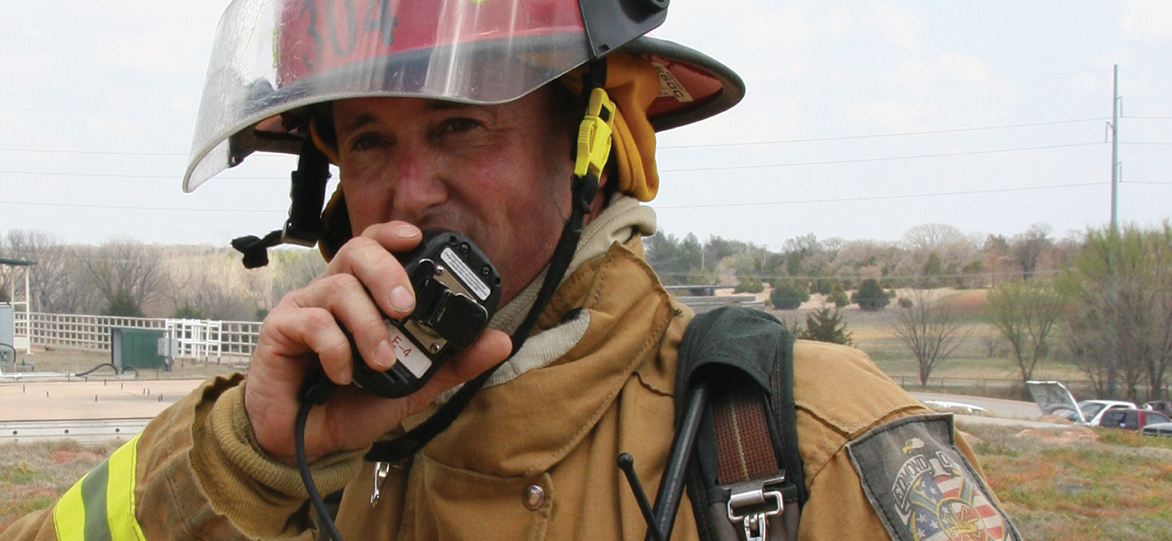
FWFD Fire Officer 1 Course
The
courses will open on January 8, 2024, with all skills due by February 9, 2024. Written IDHS testing will be completed
on-duty February 12, 13, 14.
Course description and prerequisites are as follows:
This course will provide entry level fire officers knowledge and skills to meet the min. requirements in NFPA 1021
Full Description:
This course is designed to give entry level fire officers the knowledge and skills to meet the minimum job performance requirements as outlined in and based on NFPA 1021: Standard for Fire Officer Professional Qualifications. The course identifies the requirements necessary to perform the duties of a first line supervisor or a supervisor who oversees a single fire company or station, with information and skills required for success. This course introduces the student to the basic concepts of management and supervision by concentration on such topics as Organizational Structure, Communication Skills, Human Resource Management, Community and Government Relations, Administration, Inspections and Investigations, Emergency Service Delivery, along with Health and Safety.
IDHS Prerequisites Fire Officer I:
• Must have be an ACTIVE Instructor 1
• Fire Officer Strategy & Tactics

The Fire Officer II course is designed to prepare experienced firefighters and company officers for increased leadership and supervisory responsibilities within the fire service.
While Fire Officer I focuses heavily on supervising a company and managing day-to-day operations, Fire Officer II expands those responsibilities to include broader organizational management, personnel development, administrative duties, and organizational leadership.
Throughout this course, students will develop the knowledge and skills necessary to manage personnel, evaluate performance, address organizational challenges, oversee resources, and contribute to the overall success of their department.
The course emphasizes practical leadership and decision-making. Students will work through realistic fire service scenarios that require them to think beyond their individual crew and consider the needs of the organization as a whole.
1. Leadership and Organizational Management
Understanding leadership responsibilities and management principles.
Recognizing organizational culture and group dynamics.
Developing effective communication strategies.
Managing change and addressing organizational challenges.
Building accountability and maintaining professional standards.
2. Human Resource Management
Managing employee performance and expectations.
Conducting personnel evaluations.
Addressing performance deficiencies and workplace conflicts.
Developing performance improvement plans.
Mentoring employees and establishing professional development goals.
3. Department Administration
Understanding policies, procedures, and administrative responsibilities.
Managing departmental resources.
Understanding budgeting and financial considerations.
Developing reports, recommendations, and administrative documents.
Supporting department goals and objectives.
4. Training and Professional Development
Identifying organizational training needs.
Developing training plans and objectives.
Evaluating training effectiveness.
Mentoring personnel and preparing future leaders.
Supporting continued professional development.
5. Emergency Operations and Organizational Readiness
Understanding the officer's role in emergency incident management.
Evaluating operational capabilities and organizational readiness.
Identifying safety concerns and areas for improvement.
Supporting effective policies, procedures, and operational practices.
6. Community and Organizational Responsibilities
Understanding the department's relationship with the community.
Supporting public education and community risk reduction.
Evaluating community needs and department services.
Promoting professionalism and public trust.
Students should come prepared to participate, discuss real-world fire service challenges, evaluate situations, and defend their decisions.
This course is not simply about learning definitions or memorizing leadership concepts. It is about applying those concepts to situations you may encounter as a fire officer.
You will be expected to think critically, communicate effectively, demonstrate sound judgment, and develop practical solutions to organizational and personnel challenges.
The goal of Fire Officer II is to develop officers who can look beyond the immediate responsibilities of their assigned company and understand how their decisions affect the entire organization.
A successful Fire Officer II understands that leadership involves more than directing personnel. It requires developing people, managing resources, establishing expectations, solving problems, and preparing the organization for the future.
Ultimately, we want to develop officers who can lead their people, manage their responsibilities, support their organization, and make a positive difference in the fire service.

We are utilizing the Resource1 training platform to assist members of the Goodrich Volunteer Fire Department (VFD) in completing the required coursework for Firefighter I and Firefighter II certification. Resource1 provides a structured, NFPA-compliant e-learning environment designed specifically for fire service personnel, allowing for flexible, self-paced training that aligns with state and national standards.
To ensure all participating Goodrich VFD members receive the knowledge and training necessary to successfully meet the academic and practical requirements for Firefighter I and II certification.
Curriculum Coverage: Resource1’s coursework covers all essential modules outlined by NFPA 1001 standards, including:
Fire behavior and combustion
PPE and SCBA usage
Hose, ladders, ventilation, forcible entry
Fire suppression techniques
Hazardous materials awareness and operations
Incident command and firefighter safety
Delivery Method:
Online, interactive modules
Quizzes and knowledge checks
Video demonstrations and scenario-based learning
Progress tracking for individual users
Benefits for Goodrich VFD:
Enables volunteers to train on their own schedule
Reduces travel and scheduling barriers for in-person classes
Provides documentation of training hours and completed modules
Supports the department’s goal of maintaining NFPA-compliant readiness
Outcome:
Upon completion of the online coursework, members will be better prepared to participate in hands-on skills evaluations and final testing as required by the Texas Commission on Fire Protection (or equivalent certifying body), leading toward full Firefighter I and II certification.
Training officers and department leadership will monitor progress and assist with scheduling hands-on skill sessions and evaluations as needed to supplement the online learning provided through Resource1.
Fire Officer I is the entry-level supervisory course designed to prepare firefighters to step into the role of company officer. The course focuses on leadership, crew management, administrative responsibilities, and the foundational skills needed to supervise emergency and non‑emergency operations.
Transitioning from firefighter to supervisor
Ethical decision-making and professional conduct
Understanding authority, responsibility, and delegation
Representing the department to the public and within the chain of command
Leadership styles and when to use them
Motivating personnel and building team cohesion
Managing conflict within the crew
Conducting coaching, counseling, and performance evaluations
Diversity, equity, and inclusion in the fire service
Effective verbal and written communication
Conducting briefings and delivering orders
Report writing and documentation
Interpersonal communication with crew, command staff, and the public
Promoting a safety culture
Understanding NFPA 1500 principles
Accident, injury, and near‑miss reporting
Scene safety and risk‑benefit analysis
Behavioral health awareness for firefighters
Initial incident size‑up
Implementing the Incident Command System (ICS) at the company level
Developing and communicating an incident action plan (IAP)
Crew accountability and resource management
Coordinating tactical operations (fire attack, ventilation, search, etc.)
Post‑incident analysis and critique
Scheduling, staffing, and daily station management
Policy enforcement and standard operating procedures (SOPs)
Budget basics and resource requests
Records management and documentation requirements
Conducting company‑level training
Evaluating skills and identifying training needs
Understanding adult learning principles
Maintaining certifications and promoting continuous improvement
Public education and community risk reduction
Conducting basic fire inspections
Identifying common hazards and code violations
Pre‑incident planning and building familiarization
Legal considerations for company officers
Liability, negligence, and due diligence
Ethical decision-making models
Ensuring compliance with laws, regulations, and departmental policies
Managing stress and maintaining situational awareness
Making decisions under pressure
Coordinating with other agencies
Ensuring firefighter safety during operations
Instructor Information
Name: Greg Green 979-979-6215
Jeff Jamison 903-366-6383
Jordan Stogsdill 972-965-0277
Email: ggreen@ci.greenville.tx.us
jstogsdill@ci.greenville.tx.us
Expected response: Instructors will respond to student emails within 2 business days.
The best method to reach your instructor is by email. The goal of the instructor is to help you be successful during the course. You should immediately contact the instructor if you have any questions about the course or course work.
Communication Procedures
Email will be the primary way students can contact their instructor. As such, it is important to following these guidelines:
• Be respectful of one another’s time. Students can expect Instructors to respond to communication within 2 business days.
Course Overview
This is a hybrid course including both online and face-to-face components. Online module will run from March 1st to May 15th, 2026 for 10 weeks. Skills will be during the last 2 weeks of the course. Final skills test will be done on May 15th. Students will have an opportunity to ask questions throughout the course. The skills portion and final exam will be done at our on-site facility.
This is a 10 week course: 60 hours of instruction will be delivered through 10 weeks of online instruction including online activities, quizzes, tests and discussion and skills. This is followed by 1 day of face-to-face skills final. 8 hours of certification evaluation will be performed through face-to-face sessions scheduled for a 1 day period at the end of the course. The course prepares the student for the Fire Officer I certification process.
Course Prerequisites
Basic Firefighter
Fire Instructor 1
Course Goals and Objectives:
After completing the course, the student will have met the Job Performance Requirements (JPRs) required for Fire Officer I in the NFPA® 1021, 2020 edition, Standard for Fire Officer Professional Qualifications, and chapter 8 of the TCFP curriculum manual. Students who successfully complete the certification process will be certified as a Fire Officer I.
Learning objectives are identified on a chapter-by-chapter basis and can be found in detail in the text required for the course.
Text
REQUIRED
The required text for the course is IFSTA’s Fire and Emergency Services Company Officer, 6th edition.
Every student must have a copy of the text available in order to prepare for class, study for the certification process, and complete the assignments and learning activities.
Students will also be provided with online access through ResourceOne to daily activities to be completed as assigned.
Course Modules
This course is organized into 11 modules. Each module follows a similar format that includes: a weekly introduction, readings, activities, quizzes, assignments, and discussion. Modules are completed in preparation for face-to-face meetings held at the end of the online training. The online class is self-paced to be done within the 6 week period.
Homework Assignments
Homework assignments will be the skills portion of the class at the end of the online course.
|
Technical Support

NPQ Testing will be held on May 28th & 29th. You must have a passing score of 70 for the course.
An entry level course for new firefighters. Course consists of a combination of classroom study, scenarios and modular practical experiences that will prepare the firefighter to carry out most fire ground functions under the direct supervision of an officer or experienced firefighter. The scenarios are designed to train the student in realistic fire ground operations. Hazardous Materials Operations is required to prepare the students to participate in defensive leak and spill control operations.
A course designed for the Firefighter I who is prepared to assume more of a leadership role in a department. Course consists primarily of classes designed to give the student more knowledge of fire ground situations so that he or she can make basic evaluations of safety problems and assume leadership roles in carrying out interior attack and search operations.
An entry level course for new firefighters. Course consists of a combination of classroom study, scenarios and modular practical experiences that will prepare the firefighter to carry out most fire ground functions under the direct supervision of an officer or experienced firefighter. The scenarios are designed to train the student in realistic fire ground operations. Hazardous Materials Operations is required to prepare the students to participate in defensive leak and spill control operations.
Students registering for this session must also register for the Certification Exam: FIREFIGHTER II (NFPA 1010-25) with the same session ID number.


This course is part of the Indian River County Fire Rescue Officer Development Program.
You will receive a certificate of completion at the end of the course for ATPC 2720 Company Officer and receive credit for course completion on FCDICE.

This course is part of the Indian River County Fire Rescue Officer Development Program.
You will receive a certificate of completion at the end of the course for ATPC 2720 Company Officer and receive credit for course completion on FCDICE.

Welcome to the Company Officer online course.
This 10-day IFSTA Company Officer course will be held May 17-21, 24-28 at CFA Fire Station 1. We offer this course 1 time every 2 years. Completion of the IFSTA Company Officer course is required in order to sit for the Company Officers Promotion Assessment in October.
Registration deadline for this course is 1530 May 9th, 2021
The format for the course will be the same as the last. You will be completing assignments throughout the class that are also required for the IFSAC certification portfolio. At the end of the class you will have your portfolio ready to be turned in to be evaluated and then you will only need to take the written test, if you would like to earn your Fire Officer I IFSAC certification.
To allow for more time in class to complete the assignments, you will be required to read the chapters and complete the chapter tests before the class starts on May 17th. We will review the chapters in class and then work on the assignments.
The Fire Officer I Certification Course is a hybrid program designed to prepare aspiring fire officers to meet all NFPA 1021 (2020) Job Performance Requirements, combining online modules and in-person sessions over a three-month period. Students will develop essential leadership, communication, and administrative skills, complete a comprehensive certification portfolio, and engage in weekly lessons covering topics such as organizational structure, supervision, human resource management, safety and wellness, company-level training, fire inspection, and emergency service delivery. Successful completion requires active participation, adherence to academic integrity, timely homework, and a minimum score of 80% on all online assignments, culminating in a final review and portfolio submission for certification.

This Course is a Fire Officer Level I and II course. If you are doing Level I then you need to complete all the content in Chapters 1 to 11. If you are completing Fire Officer II then complete Chapters 12 - 17.
If you have any questions please Contact TO Smith at 705-328-4554 or casmith@kawarthalakes.ca


Lewis County Fire District 2 will be hosting a fire academy for current LCFD 2 firefighters who do not currently have IFSAC/ProBoard FF1. The academy will be open to select members, both paid and volunteer, of Lewis County Fire District 2 with Training Officer Approval. Students will be given education instruction and opportunities to learn and hone skills related to the fire service. It is expected that at the completion of the course all students will complete all requirements for and successfully pass the International Fire Service Accreditation of Congress Firefighter 1, Hazardous Materials Awareness, and Hazardous Materials Operations level testing and certification.
Application Deadline: December 6th, 2024
Academy Start: January 7th, 2025
Academy Completion: May 29th, 2025
Graduation: May 31th, 2025
The department is responsible for providing the following to each student:
Full turn-out ensemble that meets NFPA 1971
Hose strap x 2
Spanner wrench
Working flashlight (90 degree or helmet light preferred)
SCBA pack + spare bottle
PASSPORT tags
Coleman 1 gallon water jug in red
PT/Academy shirt and shorts
Each student will be responsible for the following:
Meet physical standards outlined below prior to applying for entry into the academy and maintain them for the duration of academy
Complying with the expectations outlined in this and other supporting academy documents
Find and utilize a space to serve as a learning environment to study and read, outside of classroom time, to prepare and learn fire academy course material
Work with other academy students outside of class time to study and train together
Packed lunch and snacks for skills days
PT clothes
Closed-toed shoes
PT uniform as provided.
Knee pads (Optional)
Yoga mat (Optional)
Gym/hand towel (Optional)
Student’s Physical Standards for Entry
Fire academy will be a labor-intensive program geared toward teaching and having the students demonstrate proficiency in many fire service skills. Students will be expected to be able to perform all tasks and skills that could be called upon them during a fire ground scene and those matching the Washington State Patrol Firefighter 1 Skill Sheets.
The academy and instructors wish to limit any injuries or medical emergencies during the fire academy program. We strongly encourage students to be well rested and well hydrated prior to any skills weekend. To best prepare students for this, we encourage The Department to meet with their prospective recruits to assess their physical abilities or any limitations they may have prior to and during fire academy.
All students wishing to enter the academy should be able to perform the following movements without pain or limitation for the best success throughout the academy and during their time in the fire service.
Physical Agility and Capacity Assessment:
Walk 1 mile distance in 25 min or less
Lift 55lbs from ground to waist
Lift 55lbs from waist to chest height
Go from standing to kneeling to prone and return to standing within 30 seconds
Have a current LCFD 2 Firefighter PAT Test
Students should be informed of and know that each skills weekend will have calisthenics and warm-up before moving to skill stations. At the end of the day, students will have a cool-down and stretch period during an After Action Review/review of the day.

Fire Officer 1 hosted by Lake Jackson Fire Department. The class opens up on 1 September and closes on 8 October. This course uses IFSTA's Fire and Emergency Services Company Officer, 6th ed. You are strongly encouraged to use the reading assignments in this manual to supplement your learning. You will have to have a passing score of 70% or higher on your final and completion of the hands on skill, and completion of the discussion board as well completing the chapter quizzes and test to receive passing credit for the overall course. The Tests and Quizzes will close at 2359 on the 6th of October. The skill testing and final will be done in person on 8 October at Lake Jackson Fire department station 1.
Additional study materials are available for purchase on our website www.ifsta.org to help ensure your success when taking the certification exam.
The Fire Officer 2 course is a mid-level management program that builds on Fire Officer 1, focusing on the responsibilities of a "managing fire officer" to supervise multiple fire companies. Course content includes government administration, human resources, budgeting, purchasing, media relations, fire origin and cause investigation, post-incident analysis, and developing an incident action plan for multi-unit responses. It meets the job performance requirements outlined in the NFPA 1021 standard and typically prepares students for national certification exams.
Northern Monroe Fire Territory
5081 N. Old State Road 37, Bloomington, IN 47408
Phone 812.339.1115 Fax 812.339.1120
Fire Officer I
Lead Instructor: David Calvin
Course Manager: Ryan Fipps
Lead Evaluator: Rusty Clark
Proctor: Rusty Clark
Course Prerequisites: Firefighter I and Fire Instructor I certified for a period of 1 year by the Board of Firefighting Personnel Standards and Education.
Course Description & Purpose: After completing the course the student will have met the sections required for Standard for Fire Officer Professional Qualifications in the National Fire Protection Association® (NFPA®) 1021, 2014 edition, professional qualifications standard. Students who successfully complete the certification process including demonstration of all practical skills and achieving a written examination score of 70% or more will be certified as Fire Officer I by the Board of Firefighting Personnel Standards and Education.
Required Text: The required text for the course is IFSTA’s Fire and Emergency Services Company Officer, 5th edition. While not required, the IFSTA’s Fire and Emergency Services Company Officer Study Guide is a valuable tool to help prepare for each lesson in the course and for the certification exam. The manual and study guide are available from Source for purchasing the materials.
Goal: The goal of this class is to provide firefighters with the knowledge and practical skills needed to be obtain the State of Indiana Fire Officer I certification.
Objectives: Objectives are printed on the first page of each chapter within the IFSTA Fire and Emergency Services Company Officer manual and knowledge of the objectives is the key component of obtaining goal competency and passing Indiana Fire Officer I written and practical exam.
Preparation for IFSTA Moodle Website: Firefighters are expected to be prepared for each week’s lessons, quizzes, tests, and skill sheets. Reading the manual is expected and scores above 70% are required for quizzes and 75% for tests before progressing to the next chapter.
Assignments: There will be assigned reading from the course handbook each class period. You are expected to read class material.
Quizzes and Tests: Quizzes and tests on the IFSTA Moodle website will use multiple-choice, true-false, short answer, and essay questions, and possibly case studies.
Class Schedule is as follows:
January 7-13 Chapter 1 The Company Officer
Chapter 2 Organizational Structure Skill Sheet 16
Chapter 3 Leadership and Supervision Skill Sheet 2
January 14-20 Chapter 4 Human Resource Management Skill Sheets 1 and 4
Chapter 5 Communications
Chapter 6 Administrative Functions Skill Sheets 8 and 9
January 21-27 Chapter 7 Health and Safety Skill Sheets 10, 11, and 12
Chapter 8 Company Level Training Skill Sheet 3
January 28 - Chapter 9 Community Relations and Skill Sheets 5, 6, and 7
February 7 Company Level Inspections
Chapter 10 Pre-Incident Surveys Skill Sheet 13
Chapter 11 Delivery of Emergency Services Skill Sheet 14 and 15
February 12 Practical’s Due and Presentations
February 15 State Written Exam
Written Exam: State of Indiana
exams are multiple-choice and a limited number of true-false questions. Occasionally there will be review sessions
offered to help in preparation for exam.

The course is designed to provide the Fire Officer I knowledge that will help them as they advance into the middle management level of their departments. Candidates will receive information that will help them perform both supervisory and first‐line managerial functions.
This is a four‐day course that will give participants an opportunity to complete the State Fire Marshal Division’s Fire Officer II JPR packet during the course and IFSAC certification testing will be provided on the last day of the course.
The course is based on the NFPA 1021 Standard for Fire Officer Professional Qualifications, 2020 Edition and utilizes the IFSTA Fire and Emergency Services Company Officer 6th Edition which participants will be provided at no cost.
The SFFMA Minimum requirements for Fire Officer I certification are as follows:
The certification Program offers four (4) levels of Fire Officer Certification:
Fire Officer I
Applicants must complete one (1) of the following:
a) TCFP Fire Officer I curriculum; or
b) All required objectives from the SFFMA Fire Officer I curriculum
Applicants must hold, or apply concurrently for, the following SFFMA certifications:
a) Firefighter II; and
b) Instructor I
Applicants must be a first‐line supervisory officer, and must meet all the job performance and certification requirements of Fire Officer I as defined in NFPA 1021, as follows:
a) Uses human resources to accomplish assignments in accordance with safety plans in an efficient manner and evaluates member task performance and supervises personnel during emergency and non‐emergency work periods
b) Deals with inquiries from the community and projects the role of the department to the public and delivers safety, injury, and fire prevention education programs
c) Performs general administrative functions and implements departmental policies and procedures at the unit/company level
d) Performs a fire investigation to determine preliminary cause, secures the incident scene, and preserves evidence
e) Supervises emergency operations, conducts pre‐incident planning, and deploys assigned resources in accordance with the local emergency plan
f) Integrates safety plans, policies, and procedures into the daily activities as well as on the emergency scene, including the donning of appropriate levels of personal protective equipment to ensure a work environment, in accordance with health and safety plans, for all assigned members


Oklahoma Executive Fire Officer Leadership Program

Welcome to the fall 2026 Philomath Fire and Rescue Firefighter I Academy! This fall we have only two new members completing initial entry fire training, so the "academy" will be more along the lines of an apprentice model than a traditional academy with a large cohort, set classroom and training times. You can anticipate some formal instruction, paired with a lot of hands-on and skills-building. You will work with the training officer, your shift, and others to complete your training.
This is your initial entry training for your life as a firefighter, whether you are a volunteer or aiming for a career. The material in academy is foundational, and will stick with you over time and from agency to agency. The goals of the academy are to prepare you to respond to fires effectively and safely, and to provide a solid foundation for your professional development. By the time you are done with academy, you will be well on your way to NFPA Firefighter I certification.
We will be using the IFSTA ResourceOne platform to conduct the "book learning" portion of the course. It is pretty straightforward: Read the chapter, review the slides, complete the review questions and quiz, then take the chapter test. You must complete all tests with a score of 70% or greater. In addition, you will upload copies of your ICS courses.
When you have completed all of the chapters, you will be allowed to download the "notice of completion" form. You must complete every chapter in order to graduate from academy. You must complete the relevant chapters before participating in the related hands-on training. So for instance, before the session where we practice ladder placement, you must have successfully completed Chapter 9, Ground Ladders. Hands-on training will not necessarily be in chapter order, so coordinate closely with your training officer and shift so that you can do the chapters prior to hands-on training. (There is no issue with you doing hands-on training familiarization prior to the chapter, but skills for sign off must be performed after completing the relevant chapter.)
Please ask if you have questions or need assistance with any aspect of the online material for academy. Again, welcome aboard, we are looking forward to working with you.
Viktor

(Based on NFPA 1021 – Standard for Fire Officer Professional Qualifications)
The NFPA Fire Officer II course prepares fire service personnel for mid-level supervisory and management roles. Building on the competencies of Fire Officer I, this course emphasizes leadership, administration, human resource management, and advanced emergency operations. The curriculum aligns with NFPA 1021, Fire Officer Level II Job Performance Requirements (JPRs).
The purpose of Fire Officer II is to develop officers who can effectively manage personnel, resources, and operations while supporting organizational goals and public safety initiatives. Graduates are expected to perform both administrative and operational leadership functions within a fire department.
Upon successful completion of the Fire Officer II course, students will be able to:
Apply advanced leadership and supervisory principles
Manage human resources, including performance evaluations and corrective actions
Develop and administer departmental policies and procedures
Prepare and manage budgets and fiscal resources
Conduct fire and life safety inspections
Perform preliminary fire cause and origin investigations
Develop and implement multi-unit incident action plans
Supervise emergency operations using an incident management system
Conduct post-incident analyses
Review accident, injury, and exposure reports to improve safety
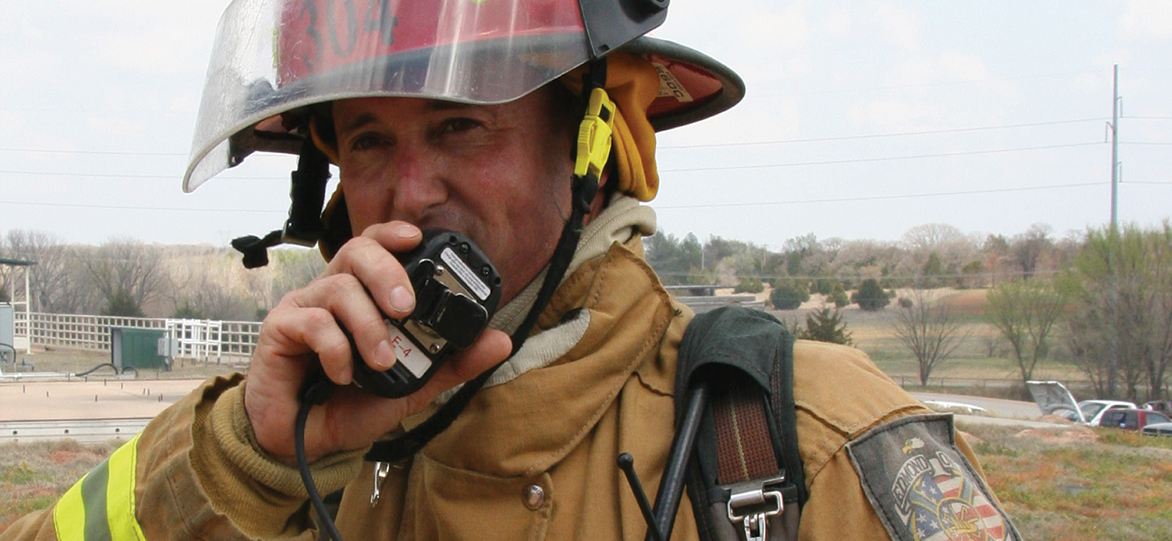
Fire Officer I Hybrid Syllabus
Instructor Information
Name: Donald Richardson
Email: drichardson@d7fr.org
Expected response: Instructors will respond to student emails within 2 business days.
Phone: 210-688-0665
The best method to reach your instructor is email. The goal of the instructor is to help you be successful during the course. You should immediately contact the instructor if you have any questions about the course or course work.
Communication Procedures
Email will be the primary way students can contact their instructor. As such, it is important to following these guidelines:
• Be respectful of one another’s time. Students can expect Instructors to respond to communication within 2 business days.
• Be clear in your message. Students are expected to include the course Title and Section first in your subject line. For example, your subject line will be “FOI.001 Questions about assignment” or “FOI.001 Missing assignment deadline due to emergency.”
Course Overview
This is a hybrid course including both online and face-to-face components. Online modules will run from [JUNE 17] to [AUGUST 12] for 8 weeks. Students will have an opportunity to ask questions online before posting assignments each week by midnight on any given day. Students must remember that instructors will respond to emails within 2 business days.
This is an 8-week course: 92 hours of instruction will be delivered through 8 weeks of online instruction including online activities, quizzes, discussion, and other assessments. The course prepares the student for the Fire Officer I certification process.
The fee for the course is $0
Course Prerequisites
Course Goals and Objectives
After completing the course, the student will have met the sections required for a Fire Officer I in the NFPA® 1021, 2014 edition, Standard for Fire O Professional Qualifications. Students who successfully complete the certification process will be certified as a Fire Officer I.Learning objectives are identified on a chapter-by-chapter basis and can be found in detail in the text required for the course.
Text
REQUIRED
The required text for the course is IFSTA’s Fire and Emergency Services Company Officer, 5th edition.
 Every student must have a copy of the text in order to prepare for
class, study for the certification process, and complete the assignments and
learning activities.
Students will be provided with online access through ResourceOne to daily activities to be completed as assigned.
OPTIONAL
While not required, the Fire and Emergency Services Company Officer, 5th edition Exam Prep is a valuable tool to help a student or candidate to successfully pass a written exam based on the content of this course. This exam prep is available in print and electronic versions.
The manual and exam prep are available from ResourceOne
Course Schedule
This course is organized into 8 weekly modules. Modules are accessed online through IFSTA’s ResourceOne. Each module follows a similar format that includes: a weekly reading, assignment, quizzes, and tests. Modules are completed in preparation for face-to-face meetings held the last two scheduled skills day. New modules open every week.
Week 1 (June 17 – 24): Chapter 01 - The Company Officer I
Chapter 02 - Organizational Structure
Week 2 (June 24 – July 1): Chapter 03 - Leadership and Supervision
Week 3 (July 1 – 08): Chapter 04 - Human Resources Management
Week 4 (July 8 – 15): Chapter 05 – Communications
Chapter 06 - Administrative Functions
Week 5 (July 15 – 22): Chapter 07 - Health and Safety Issues
Week 6 (July 22 – 29): Chapter 08 – Company-Level Training
Chapter 09 - Community Relations and Company Fire Inspect
Week 7 (July 29 – Aug. 5): Chapter 10 – Pre-incident Surveys
Chapter 11 - Delivery of Emergency Services I
Week 8 (August 5 – 12): Course Final Exam and TCFP Skills Exam
Homework Assignment
Course Evaluation Strategy
Course Participation
The course utilizes lecture, open discussions, and group activities to achieve the learning objectives. Every student is expected to:
· come to course prepared to actively participate in discussions,
· read the text prior to the next class session,
· complete all homework assignments,
· respect the beliefs, opinions, and values of other students,
· and have an open mind about the issues being discussed.
Technical Support
Please note this tech support is staffed from 8-5 CST
Academic Dishonesty Policy
Academic misconduct includes cheating, plagiarism, falsification of records, unauthorized possession of examinations, intimidation, and any and all other actions that may improperly affect the evaluation of a student’s academic performance or achievement; assisting others in any such act; or attempts to engage in such acts. Any incident of academic misconduct will result in the student being dropped from the course and the student’s sponsoring agency being notified of the incident.
The TCFP written test will be scheduled by the student at a TCFP regional test site.
|



Online course meeting Texas Commission on Fire Protection standards for Fire Officer 3 certification. Course will be taught to NFPA 1021, 2020 edition as outlined in Chapter 9 of the TCFP Curriculum Manual.