
- Manager: Trevor Bolton
- Manager: Alexander Mahan
Category: Fire Department of Liberty Township
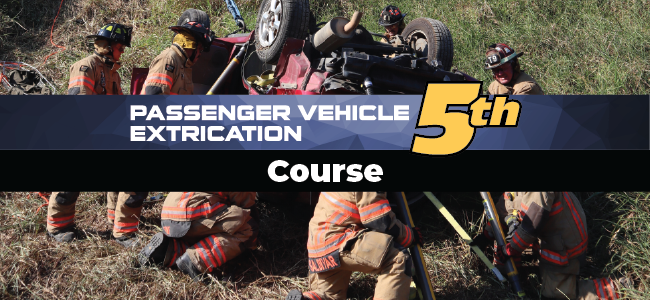
This will be a blended & combined class! All Online portions will be required to be completed prior to testing
VMO/VMT
Dec 15. Classroom 0800-1700
Sign in, admin, test codes welcome
Basic Tools, Hydraulics, Saws, Pneumatic, Lifting Bags, Struts/Jacks, Stabilization, Vehicle Anatomy, patient care, Lifting, cribbing, airbags, scene survey/ICS/command and resources.
Dec 16
Morning Classroom:0800-1000
Cuts
scene survey/ICS/command and resources.
1000-1200 Field
Lifting, cribbing, airbags,
Air Hammer/sawzall use
1300-1700
Afternoon Field Hand on
Patient care/triage
Basic tool use/familiarization- Door removals, roof removals
Glass management
Sneak & peek
Airbag detonation/ SRS system explanation/ demonstration
Dec 17
Morning Classroom- 0800-1200
Heavy Truck and busses
Anatomy, parts,etc
Heavy Wrecker
Electric vehicles
Afternoon Field-1300-1700
Air Hammer/sawzall/tunneling
Upside down extrication
Tractor trailer extrication
School bus extrication
Dec 18. Field
0800-1200
Scene survey, More Advanced tactics, wrecker integration, stabilization, man/machine, impalements, Heavy Truck anatomy/equipment
1200-1600
Final Hands On Scene scenario
Students will be tested and work together on a multi vehicle crash using all required and learned VRO/VRT skills and requirements
Dec 19 Classroom
0800-1200
Crew resources
Class review
Wrap up discussion
LUNCH 1200-1245
VRO Test 1300-1500
VRT Test 1530-1730
Students will require FULL PPE at all times during the class as this will be an extremely hands on class with real life scenarios.
Required Prerequisite: Technical Rescue Awareness
This course uses an intensive instructional methodology program to prepare the participants to plan and develop all course curriculum aspects. The course includes needs analysis, task analysis, course goals and objectives, lesson plan development, instructional support materials, and evaluation instruments. (NFPA 1041, 2019 Edition). Methods of instruction include lectures, discussions, virtual classroom exercises, case studies, audio/visual material, learner presentations/reports, quizzes, and an on-site final IFSAC written and practical examination.
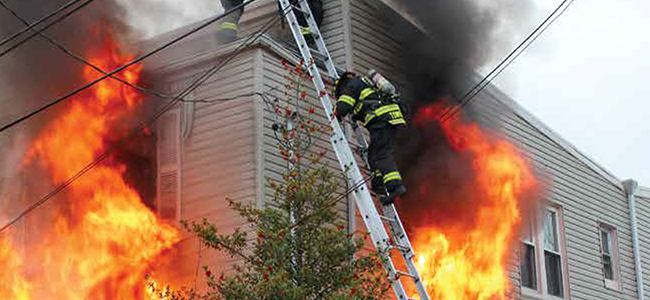
Course Description – Firefighter I/II with Hazardous Materials Awareness (HMA) and Hazardous Materials Operations (HMO)
This Firefighter I/II program provides comprehensive classroom instruction and hands-on skills training designed to prepare students to meet the job performance requirements of NFPA 1001 (Firefighter I and II) and NFPA 1072 (Hazardous Materials Awareness and Operations). The course integrates theory, applied practice, and scenario-based learning to develop safe, competent, and effective entry-level firefighters.
Classroom Instruction focuses on fire behavior, building construction, firefighter safety and wellness, incident command system (ICS), communications, fire prevention, portable extinguishers, ropes and knots, ladders, ventilation, water supply, fire hose and streams, salvage and overhaul, search and rescue, emergency medical care, and firefighter survival. The hazardous materials component addresses recognition and identification of hazardous materials, use of the Emergency Response Guidebook (ERG), risk assessment, defensive control strategies, personal protective equipment, decontamination concepts, and compliance with federal and state regulations.
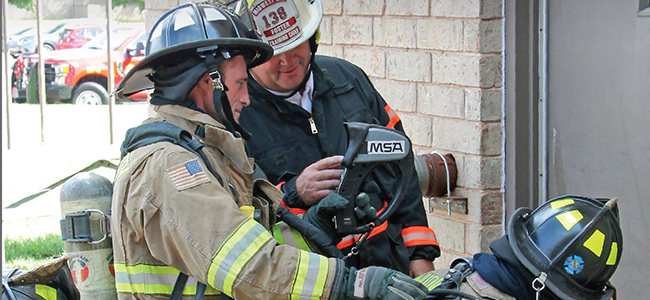
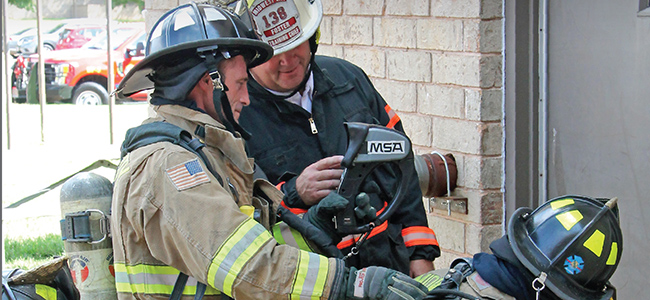
Skills and Practical Training emphasizes supervised, hands-on evolutions conducted in accordance with applicable safety standards. Students perform and are evaluated on essential Firefighter I/II skills, including PPE and SCBA operations, hose deployment and advancement, ladder carries and raises, forcible entry, ventilation techniques, search and victim removal, fire control, water supply operations, and basic vehicle and fireground operations. Hazardous materials skills include scene size-up, isolation and protective actions, product control at the awareness and operations levels, and coordination with specialized response resources. The course culminates in integrated scenarios and live fire training evolutions that reinforce teamwork, safety, and decision-making.
Successful completion prepares students for state certification testing in Firefighter I, Firefighter II, Hazardous Materials Awareness, and Hazardous Materials Operations, and for entry-level service in the fire and emergency services profession.