
- Manager: Jeff Cragg
Category: Kananaskis Emergency Services (Canada)
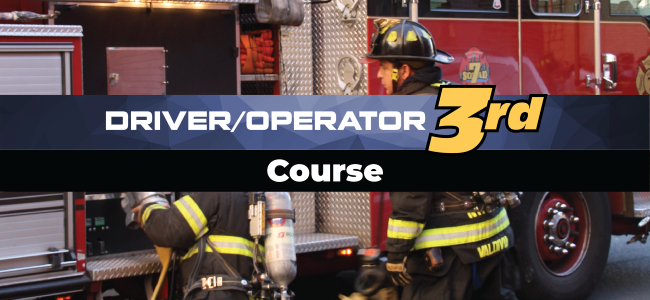
After completing the course, the student will have met the sections required for a Pumping Apparatus Driver/Operator in the NFPA® 1002, 2017 edition, Standard for Fire Apparatus Driver/Operator Professional Qualifications and TCFP Curriculum Manual Chapter 7. Students who successfully complete the certification process will be eligible to test/apply for the TCFP Pumping Apparatus Driver/Operator Certification.
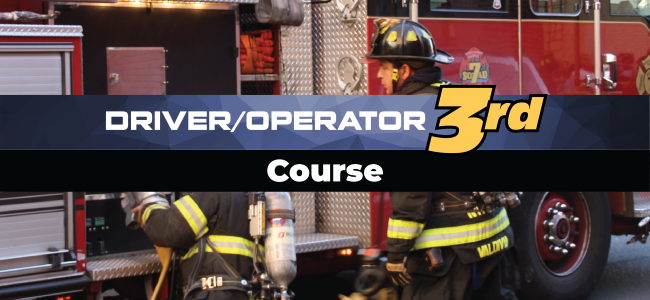
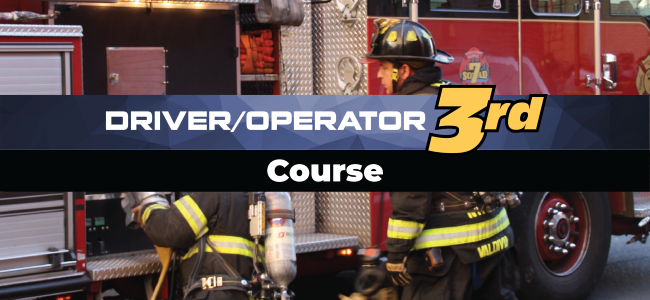
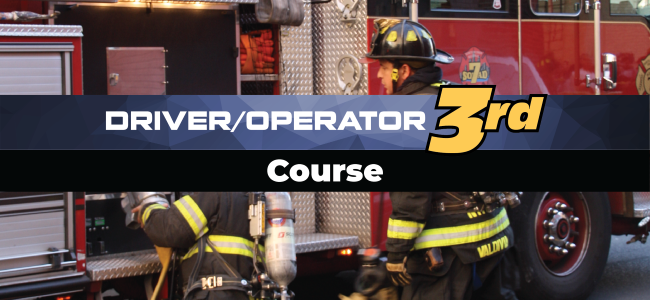
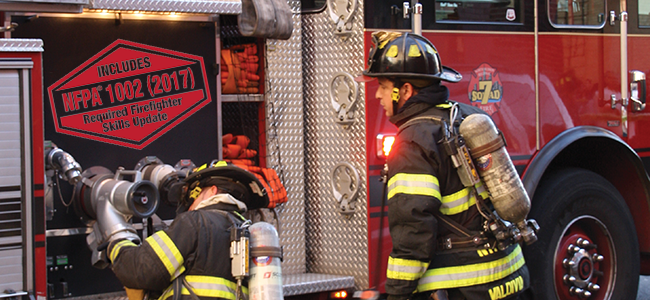
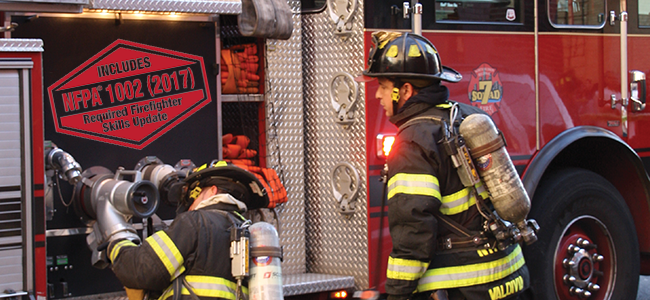
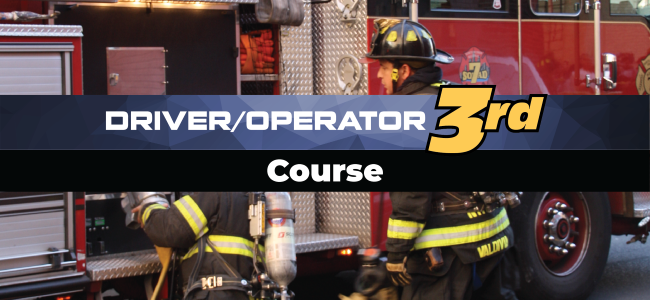
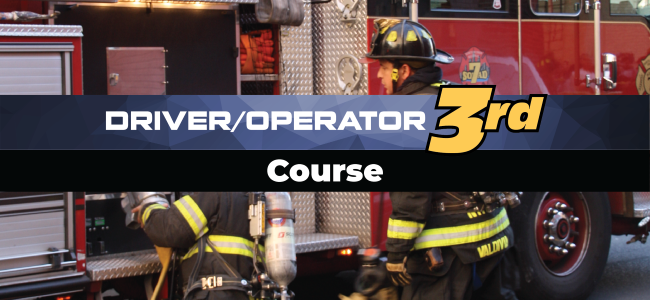
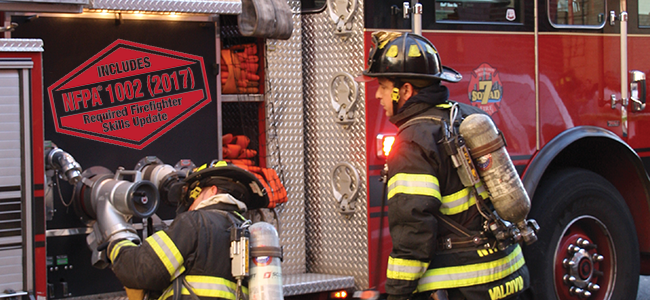
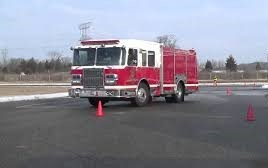
NFPA Fire Pump Operator's Academy is a 32 hour program that includes both classroom and hands-on training.
The program meets NFPA 1002: Standards for Fire Apparatus Driver/Operator Professional Qualifications and follows the International Fire Service Training Association (IFSTA) Pumping Apparatus curriculum.
Students will be presented with essential information, written test, skills and practical exercises relevant to operating and pumping fire apparatus.
This training includes (but is not limited to):
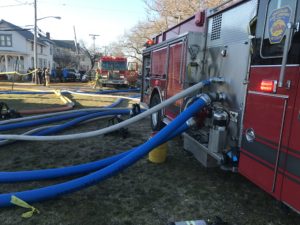
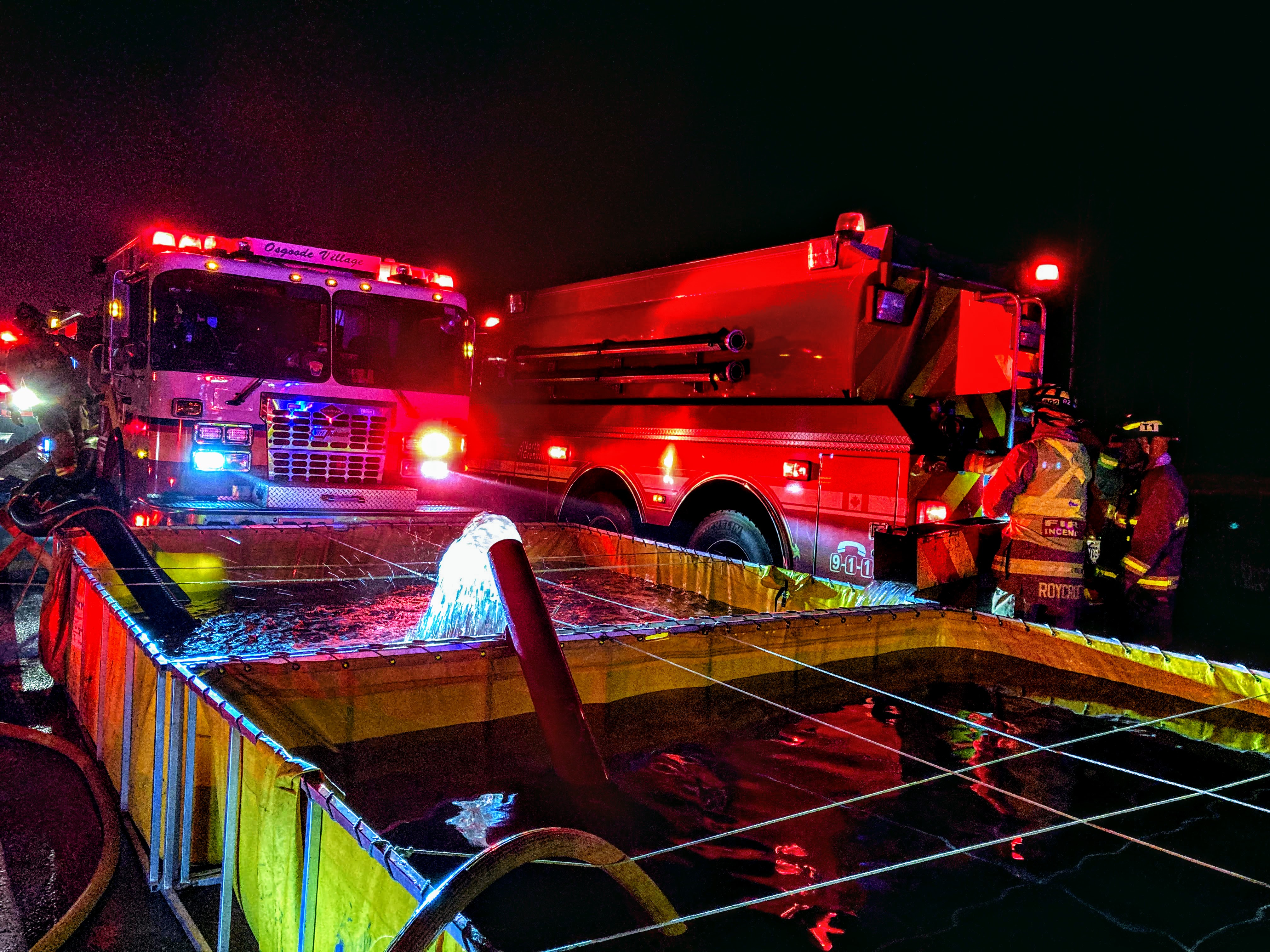
Participants will be required to demonstrate proficiency with the delivered skills, including the use of various appliances, hose stretches, maintaining a water supply, managing proper flows and pressures, troubleshooting, foam operations and more.
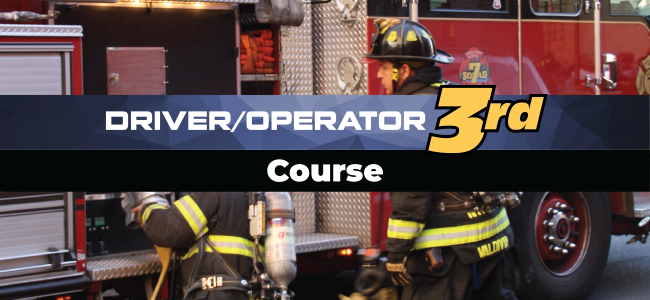
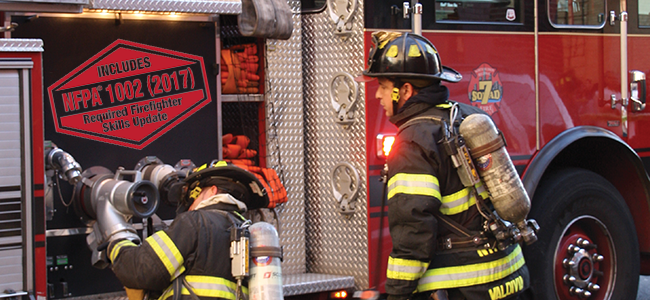
The duties of an Emergency Vehicle Operator are extremely dangerous, as well as mentally and physically exhausting, when responding to, returning from, or operating at an emergency scene. In order to render proper service to his/her department, and in keeping with this concept, an Emergency Vehicle Operator must be physically sound and free from any defect which may adversely affect his/her performance of duty. An Emergency Vehicle Operator’s personal safety and the lives of others will be endangered without appropriate training and driving skills. If these skills and training are not applied at regular intervals, competency decreases, hence the need for continual driver re‐certification. Driver re‐certification is a vital element in maintaining a valid and professional emergency vehicle driver program.
Reference Materials
The jurisdictional entity in which the Driver/Operator Personnel serves must have access to the most current editions of following training manuals:
NFPA
NFPA 1002: Standard for Fire Apparatus Driver/Operator Professional Qualifications NFPA 1451: Standard for a Fire Service Vehicle Operations Training Program
NFPA 1500: Standard on Fire Department Occupational Safety and Health Program
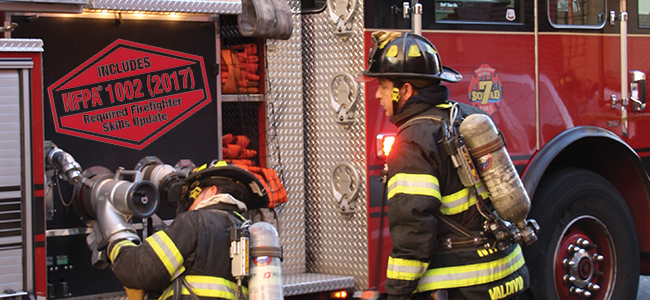
The duties of an Emergency Vehicle Operator are extremely dangerous, as well as mentally and physically exhausting, when responding to, returning from, or operating at an emergency scene. In order to render proper service to his/her department, and in keeping with this concept, an Emergency Vehicle Operator must be physically sound and free from any defect which may adversely affect his/her performance of duty. An Emergency Vehicle Operator’s personal safety and the lives of others will be endangered without appropriate training and driving skills. If these skills and training are not applied at regular intervals, competency decreases, hence the need for continual driver re‐certification. Driver re‐certification is a vital element in maintaining a valid and professional emergency vehicle driver program.
Reference Materials
The jurisdictional entity in which the Driver/Operator Personnel serves must have access to the most current editions of following training manuals:
NFPA
NFPA 1002: Standard for Fire Apparatus Driver/Operator Professional Qualifications NFPA 1451: Standard for a Fire Service Vehicle Operations Training Program
NFPA 1500: Standard on Fire Department Occupational Safety and Health Program
1002 Driver/Operator Rescue course